
Why Kitchen Gadgets Work as a Bulk Category
If you are looking at bulk kitchen gadgets for your store, you are buying into one of the most forgiving categories in retail. Kitchen gadgets are small, light, non-seasonal, and priced at impulse levels. A store owner can stock a wall of $8 to $25 items and turn inventory several times a year, without the size, fit, and returns problem that eats margin in apparel or electronics. The math: a gadget that costs $4 landed and sells at $14.99 delivers roughly 65% gross margin after freight, which absorbs discounts, samples, and occasional dead stock. Few categories give a small retailer that kind of buffer.
The flip side is saturation: pick SKUs with a demonstrable problem-solution story, verify supplier quality before the first pallet, and model margin to landed cost, not ex-factory price.
Picking SKUs: What Actually Sells Through
Sell-through is the only metric that matters on the buy side. A gadget that “looks cool” but sits on the shelf for eight months costs you rent. Start with four proven archetypes for bulk kitchen gadgets:
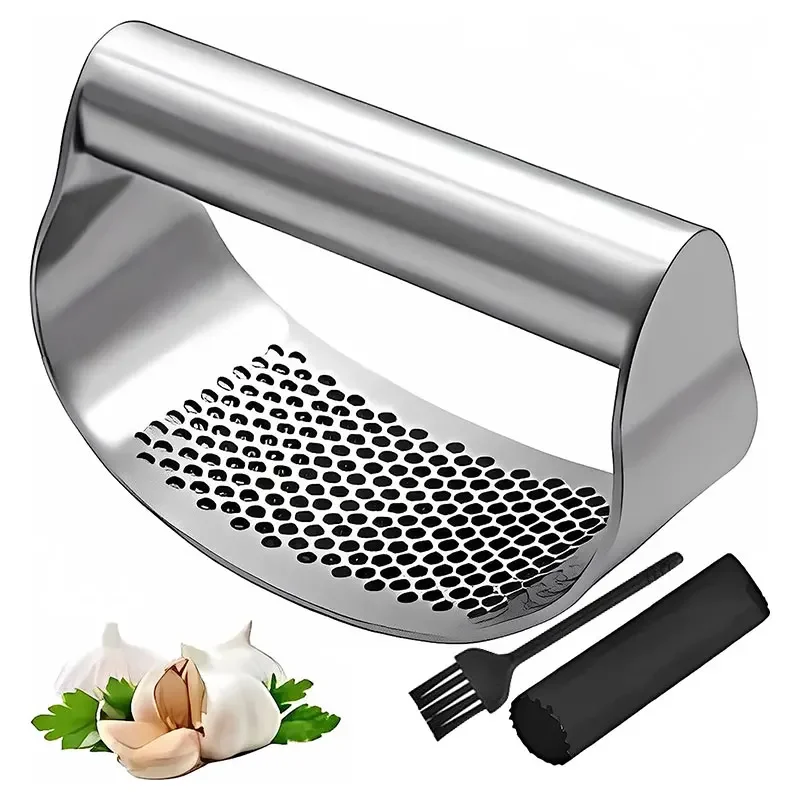
- Prep shortcuts – garlic presses, herb strippers, multi-slicers. These sell on the demo: a 20-second demonstration closes the sale. A gadget that cannot be demonstrated quickly is a weaker pick.
- Storage and organization – stackable containers, drawer dividers, bag sealers. High attachment rates: a customer buying one container set often buys three.
- Safety and cleanup – splatter guards, sink caddies, compost scrapers. Lower price points ($6 to $12 retail), ideal as register add-ons.
- Compact multifunction tools – 5-in-1 peelers, folding cutting boards, collapsible measuring sets. Strong with apartment dwellers, a growing segment.
Build your first order around 12 to 20 SKUs across these archetypes. A spread lets you read sell-through in 30 days and reorder the winners; never buy 500 units of a novelty item you have not test-sold.
Margin Math: Working Backwards from Your Shelf Price
Before you send a purchase order, model the full unit economics. A vegetable chopper retailed at $19.99:
- Ex-factory unit price: $4.20
- Freight allocation (sea freight plus drayage and receiving): $0.85
- Landed cost: $5.05
- Shelf price: $19.99
- Gross margin: $14.94, or about 75%
That 75% is before returns, shrinkage, and the standard 10 to 15% promo discount; at 15% off you still hold near 70% gross. The rule of thumb for bulk kitchen gadgets: landed cost at most 30% of the everyday shelf price. Above 35% leaves no room for markdowns; below 20% marks a SKU as promotion fodder that drives foot traffic.
One cost buyers chronically undercount is the slow mover. Price an 8 to 10% shrinkage and obsolescence reserve into your initial order budget, so the dead weight of the assortment is covered from day one.
Comparing Sourcing Channels for Bulk Kitchen Gadgets
Where you buy matters as much as what you buy. The common channels for a mid-size retailer ordering 500 to 5,000 units:
| Channel | MOQ | Lead Time | Quality Control | Margin Support |
|---|---|---|---|---|
| Skyrocs wholesale | Low (per-SKU minimums) | 7-15 days | Pre-inspected SKUs, dedicated rep | Tiered pricing, no hidden fees |
| Alibaba (direct factory) | 500-2,000 units per SKU | 25-45 days | Self-managed; hire a third-party inspector | Lowest unit price, but inspection and tooling costs stack up |
| Domestic marketplace distributors | Case packs of 24-48 units | 3-7 days | Generally consistent | Highest unit cost; margins typically 30-40% |
| Trade shows | Varies by vendor | 14-30 days | You inspect at the booth | Good for discovery; pricing negotiated case by case |
The pattern is clear. Alibaba wins on raw unit price but loses on lead time and QC risk, which costs a store that needs replenishment on schedule. Domestic distributors are fast but compress margin to the point where promotions turn unprofitable. A curated wholesale program like the Skyrocs wholesale program sits in the middle: per-SKU minimums a small store can hit, lead times measured in days, and SKUs already vetted for quality and packaging. If you also sell into the pet category, the same evaluation framework applies. See our wholesale pet supplies playbook for vetting suppliers across a second category without doubling your QC workload.
Vetting Suppliers: Five Checks Before You Wire Money
Run every bulk kitchen gadgets supplier through these checks, whoever the supplier is:
- Samples first, always. Sample every SKU you plan to stock at volume and test the mechanism 50 times. A garlic press that jams on the 30th squeeze will generate returns that erase your margin.
- Packaging standards. Ask for retail-ready specs: box dimensions, barcode placement, display-ready PDQ. Repackaging 2,000 units by hand is a cost most buyers forget to model.
- Compliance paperwork. For food-contact gadgets, request FDA or LFGB test reports for the specific SKU, not a generic factory certificate. Customs holds on non-compliant items can strand a container for weeks.
- Defect-rate track record. Ask for the last 12 months of defect and return data by SKU. A reputable wholesaler shares this; a supplier that dodges is a red flag.
- Reorder lead time in writing. Get replenishment lead time in the invoice terms, not just verbally. A 45-day reorder window on your bestseller means forecasting two months out.
Negotiating Terms That Protect a Small Retailer
Bulk buying gives you leverage, but only if you negotiate terms, not just price. Four provisions to push for:
- Tiered pricing with clear breakpoints. Know the price at 500, 1,000, and 2,500 units; consolidate slow SKUs to hit the next tier.
- Payment terms, not just deposits. A 30/70 split (deposit on order, balance before shipment) is standard. 100% upfront on a first order is a risk premium: reduce your quantity accordingly.
- Defect and damage credits. Agree in advance on credits for defects above a threshold (1 to 2% is typical). This in writing is worth more than a 2% price concession.
- Exclusivity windows on new SKUs. When test-launching a gadget in your region, ask for 90 days where the supplier does not sell that SKU to a direct competitor in your market.
The Skyrocs wholesale program is built around these realities: low per-SKU minimums so you can test before you commit, transparent tiered pricing, and a dedicated contact who confirms lead times in writing. A supplier who answers “when will my reorder ship” with a date instead of a shrug is worth a small price premium.
Turning Inventory into Foot Traffic and Repeat Sales
Gadgets are demonstration products: a store that demos sells three to five times more per SKU than one that shelves and hopes.
- Run a weekly 10-minute demo station near the entrance. Prep shortcuts produce a visible result in seconds and are the best demo SKUs.
- Bundle slow and fast movers. A “prep kit” (chopper plus scraper plus storage set) at a bundle price moves dead stock while lifting average ticket.
- Track sell-through weekly, not monthly. Reorder your top 20% of SKUs at a 3-week cover, and mark down the bottom 10% early instead of letting them consume shelf space.
Retailers who treat bulk kitchen gadgets as a living assortment, test, measure, reorder, cut, routinely turn inventory 6 to 8 times a year. That turns a $5,000 initial buy into $30,000 to $40,000 of annual retail sales from a few feet of shelf space.
Frequently Asked Questions
What is a typical MOQ for bulk kitchen gadgets?
Direct factories often require 500 to 2,000 units per SKU. Curated wholesale programs like Skyrocs use low per-SKU minimums, so a small store can test 15 to 20 SKUs without a full container. Domestic distributors sell by case pack (often 24 to 48 units) at much higher unit cost.
What payment terms should I expect on a first wholesale order?
A 30% deposit with the balance due before shipment is standard. Avoid 100% upfront with an unproven supplier; if they insist, reduce your quantity and treat the order as a paid trial.
Can I get white label or private label packaging?
Most wholesalers offer private labeling at volume, typically from 1,000 to 2,000 units per SKU for custom box printing. For smaller orders, ask about sticker or sleeve branding over retail-ready packaging: brand presence without the tooling cost of a full custom box.
How long does shipping take for a wholesale gadget order?
Domestic wholesale fulfillment typically runs 7 to 15 days. Direct-from-factory sea freight takes 25 to 45 days plus customs clearance. Build replenishment plans around the written reorder lead time and keep a 3-week safety cover on your top SKUs.
What defect rate is acceptable on bulk kitchen gadget orders?
Plan terms around a 1 to 2% defect threshold. Below 1% is excellent; above 3% on one SKU is a signal to switch suppliers or drop the item. Agree on a credit or replacement mechanism for defects above the threshold before placing the order.
How do I handle food-contact compliance for imported gadgets?
Request material test reports (FDA or LFGB) for the specific SKU, not a generic factory certificate. Keep them on file: some channels require them before listing. If a supplier cannot produce a report for the item in question, do not order it, regardless of price.
Pingback: Private Label Pet Products: How to Launch Your Brand
Pingback: Pet Products Wholesale MOQ Guide for Pet Retailers 2026
Pingback: Wholesale Kitchen Gadgets Pricing Guide for Retailers
Pingback: Become a Kitchen Gadgets Distributor: 2026 Starter Guide