
What MOQ Means in Pet Product Wholesale
MOQ stands for minimum order quantity: the smallest number of units a supplier will sell you in a single order. In pet products wholesale, MOQs are usually quoted per SKU, meaning you need to hit the minimum for each individual item, not just the order as a whole.
That distinction matters in pet retail, where catalogs span dozens of SKUs. If a supplier quotes a 500-unit MOQ per SKU and you want to test five products, your first order is 2,500 units, not 500. Always ask whether the minimum applies per SKU, per variant, or per order total.
There is also a gap between the quoted MOQ on the price sheet and the practical MOQ a supplier will actually accept. Knowing how suppliers build their minimums gives you leverage at the negotiation table.
How Suppliers Set Their Minimums
First is production setup cost. Factories run lines in batches, and changing a line over to your product takes time and labor, so they need a batch large enough to spread that setup cost thin. The simpler the product, the lower this floor.
Second is raw material purchasing. If your order cannot consume a standard material lot, you pay a surcharge or take the higher minimum. Third is packaging: custom printed packaging often carries a printed minimum far above the product MOQ, and plain polybag packaging can cut this floor on your first order.
Fourth is the supplier’s own margin per order. A 200-unit order takes nearly as much picking and paperwork as a 2,000-unit order, so many distributors set a minimum order value alongside, or instead of, a unit MOQ.
Last is risk management. Suppliers use MOQs to filter out buyers unlikely to reorder. Showing a real sales channel, even a small one, is often more persuasive than haggling over the number.
Landed-Cost Math: One Worked Example
Retailers lose money when they compare the supplier’s unit price to their retail price and forget everything in between. Your true number is landed cost: the total cost of getting sellable units onto your shelf, divided by units received.
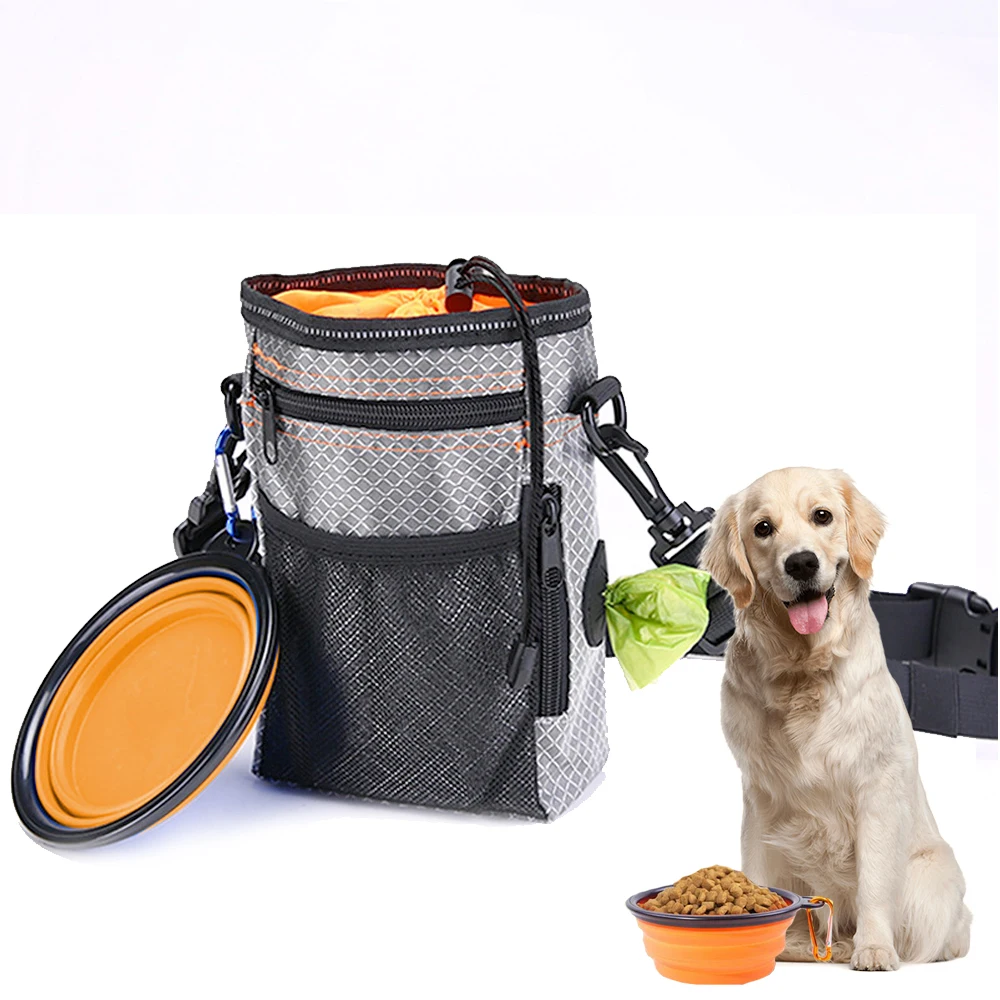
Here is a worked example with hypothetical numbers for a pet treat pouch test order:
- Unit price from supplier: $1.80 per pouch
- Order quantity: 500 units, hitting the per-SKU MOQ
- Product cost: $900.00
- International freight and customs clearance: $280.00
- Import duty at roughly 6 percent of product cost: $54.00
- Warehousing, labeling, and inspection: $60.00 (example figures)
Total landed cost: $1,294.00, or $2.59 per unit instead of $1.80: a 44 percent increase over the quoted unit price.
Selling at $9.99 with about $3.50 in fees and customer shipping per order, per-unit margin is $9.99 – $2.59 – $3.50 = $3.90, roughly 39 percent. Pricing against the $1.80 factory price would overestimate margin by nearly a dollar per unit.
Always run landed-cost math at the exact quantity you plan to order before approving. Fixed fees fall per unit as quantities rise, which is why suppliers push bigger orders.
Low-MOQ Channels vs Factory Direct
Domestic wholesalers offer the lowest MOQs, sometimes 12 to 48 units per SKU, at the highest unit prices. Best for testing new products, filling gaps between factory orders, and slow-moving SKUs.
Trading companies sit in the middle: lower minimums than factory direct because they aggregate orders, with prices between factory and domestic wholesale. Good for mixed catalogs from one region.
Factory direct gives the lowest unit prices but the highest MOQs, often 500 to 5,000 units per SKU. Reserve it for proven winners with steady sell-through.
Use a wholesale program with flexible minimums for testing and long-tail SKUs, then graduate proven products to factory direct. The Skyrocs wholesale program is built for this kind of staged sourcing. For how staged buying works in another category, see our bulk kitchen gadgets buying guide.
Negotiating Per-SKU Minimums That Work
Consolidate SKUs into a combined order. Propose 2,000 units total across four SKUs with a flexible split instead of 500 per SKU. The supplier keeps their batch volume, and you test more products.
Offer a longer commitment instead of a bigger first order. A supplier who wants 1,000 units now may accept 400 with a written quarterly reorder commitment. They care about lifetime volume more than first-order volume.
Accept plain packaging on the first run. If printed packaging drives the high MOQ, ask for plain packaging on the test order. Many suppliers cut the minimum substantially for this.
Pay faster. Suppliers fund production before you pay. A larger deposit or shorter terms reduces their risk and often buys you a lower minimum.
Ask about variant flexibility. Some suppliers count sizes or colors as separate SKUs. Ask whether you can mix two colors to hit one SKU’s minimum, common for pet beds and carriers.
Frame every ask around the supplier’s economics: “If I take 2,000 units across four SKUs, your batch is still covered” works far better than “I cannot afford the minimum.”
Planning Your Order to Avoid Overstock
Calculate weekly sell-through per SKU from actual sales. For a new product, halve the sell-through of the closest comparable product for the test order, then size to a coverage window: 8 to 12 weeks for core SKUs, 4 to 6 for seasonal items.
Watch price-break tiers: a discount kicking in at 2,000 units tempts you to double the order for a small per-unit saving. Run the landed-cost math at both quantities; the carrying cost of the extra stock usually outweighs the saving.
Outdoor gear and cooling products peak in warm months; coats, heated beds, and indoor toys peak in cold months. Time factory-direct orders to arrive four to six weeks before the season, and let low-MOQ channels handle the end-of-season taper.
Keep an Overstock Risk Reserve
Hold back 10 to 15 percent of your wholesale buying budget as a reserve fund. It covers markdowns for slow movers, the cost of bundling dead stock with winners, and flexibility for opportunistic clearance deals.
When a SKU stalls, act early: packaging fades, trends pass, and storage fees compound. A 20 percent markdown in month two beats 50 percent in month eight. Bundle slow movers with bestsellers or move them through clearance.
Track inventory turn per SKU monthly. Any SKU turning slower than target deserves a smaller reorder, a lower price, or a delisting. The reserve gives you room to decide on data instead of panic.
Putting It Together: A Simple Order Checklist
- Confirm whether the MOQ applies per SKU, per variant, or per order.
- Calculate landed cost per unit at the quantity you plan to order.
- Check your sell-through data and size the order to your target coverage window.
- Compare the next price-break tier against the carrying cost of the extra stock.
- Confirm packaging terms and whether plain packaging lowers the first-order minimum.
- Set aside your overstock reserve before you commit the funds.
- Get payment terms, lead time, and reorder terms in writing.
MOQs are pricing information, not obstacles. Understand their drivers, calculate true landed cost, and match each product to the right channel.
Frequently Asked Questions
What is a typical MOQ for pet products wholesale?
It varies by channel: domestic distributors may accept 12 to 48 units per SKU, trading companies often start in the low hundreds, and factories commonly quote 500 to 5,000 per SKU depending on complexity. Always confirm whether the minimum is per SKU, per variant, or per order.
How do I calculate landed cost for a wholesale order?
Add product cost, freight, customs clearance, duties, and warehousing or inspection fees, then divide by units received. Judge margin against this number, not the quoted unit price.
Can I negotiate a lower MOQ with a pet product supplier?
Yes. Suppliers regularly accept consolidated multi-SKU orders, plain packaging on first runs, longer reorder commitments, or faster payment terms. Frame proposals around their batch economics, not your budget.
Should I order factory direct or through a wholesaler?
Use both, matched to product stage. Low-minimum wholesalers suit testing and slow movers; factory direct, with the lowest unit prices, suits proven winners you reorder regularly.
How much stock should I hold to avoid overstocking?
Size orders to a coverage window based on sell-through: 8 to 12 weeks for core SKUs, 4 to 6 weeks for seasonal items. For new products, use half the sell-through of your closest comparable SKU.
What should I do with slow-moving pet inventory?
Act early. Markdown or bundle slow movers within the first months rather than letting storage costs compound. Keep 10 to 15 percent of your budget as an overstock reserve, and review inventory turn per SKU monthly.
Pingback: Pet Products Distributor: Your Wholesale Playbook for 2026