
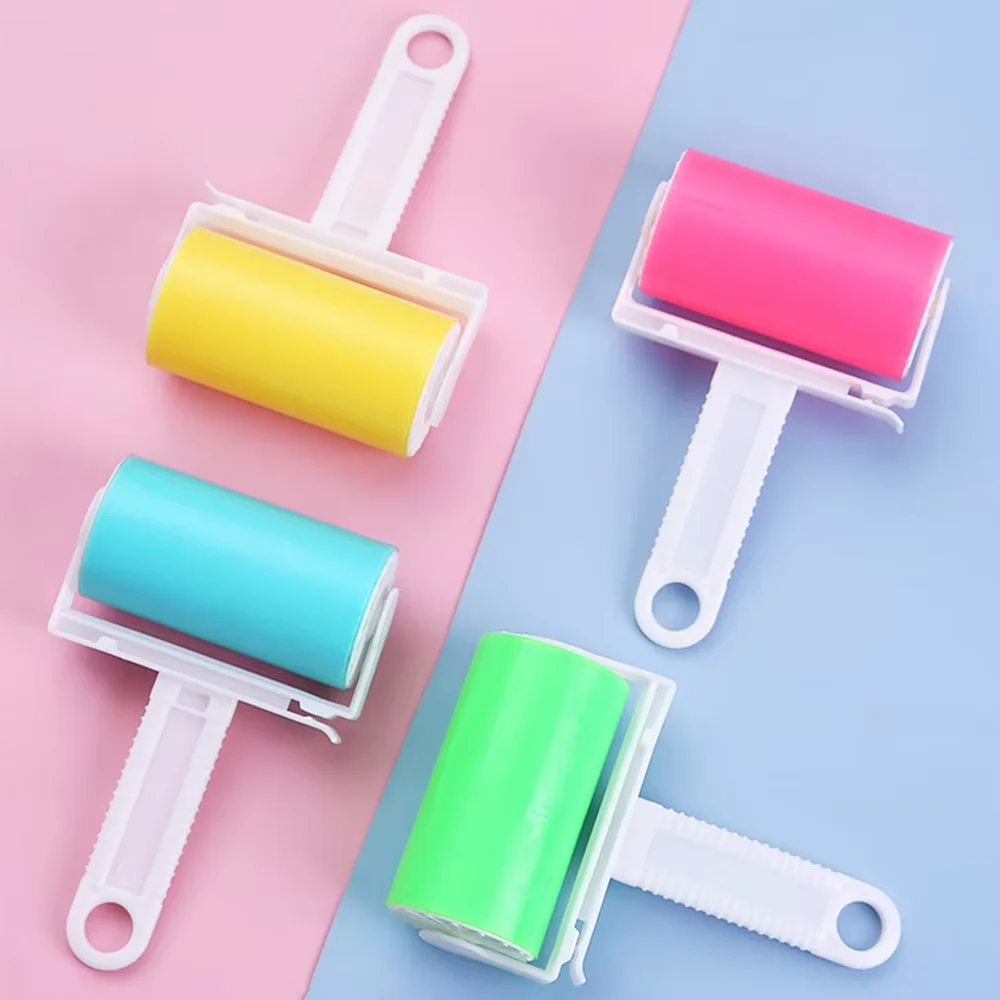
A pet products distributor is the link between the factory and your store, and for most independent retailers and small e-commerce sellers it is the most practical way to get into pet supplies. Instead of negotiating with overseas factories, you buy proven products in case quantities, receive them in days, and reorder only what sells. The tradeoff is real: you pay more per unit than a direct importer, and your choice of partner shapes your margins for years. This guide explains what a distributor actually does, how minimum order quantities (MOQs) affect your cash flow, how to run the margin math on a worked example, and when private label or white label options make sense.
If you are still deciding whether wholesale pet is right for your store, start with the big picture in our wholesale pet supplies playbook, which covers niche selection and assortment planning before you spend a dollar on inventory.
What a Pet Products Distributor Actually Does
A distributor buys pet products in container quantities from manufacturers, holds them in a domestic warehouse, and resells them to retailers in much smaller increments. In practice, a good pet products distributor does five things for you:
- Sources and vets factories, so you skip the factory audit and the sample lottery.
- Holds domestic inventory, cutting lead times from weeks to days.
- Sells in case packs, so your per-SKU commitment is one carton instead of one container.
- Extends payment terms, often net-30, to established accounts, which eases cash flow.
- Supports resale with product images, descriptions, and sometimes MAP (minimum advertised price) policies that protect your retail price.
Beyond logistics, a distributor absorbs a layer of risk. If a product arrives defective or a shipment comes up short, you deal with one domestic partner instead of a factory on another continent. That relationship is the real product you are buying, which is why the questions later in this guide matter more than any price list.
Distributor vs Direct Import vs Dropship Supplier
Three sourcing models compete for your pet supply business, and each suits a different stage of growth. The table below compares them on the factors that matter most to a small retailer. Figures are illustrative examples, not market data.
| Factor | Distributor | Direct Import | Dropship Supplier |
|---|---|---|---|
| Typical MOQ | One case per SKU (example: 12-50 units) | 1,000-5,000+ units per SKU (example) | None; pay per order |
| Lead time | 2-5 business days (example) | 30-60 days ocean freight (example) | 7-15 days from overseas (example) |
| Unit cost | Mid | Lowest | Highest, often near retail |
| Inventory risk | Low to moderate | High | None |
| Branding control | Often possible via white label | Full | Almost none |
| Best for | New stores testing demand | Established sellers with capital | Testing products with zero stock |
Most small retailers start with a distributor, graduate their proven winners to direct import once volume justifies it, and use dropshipping only to test unproven items. A distributor also remains useful after you scale: it fills assortment gaps and covers reorders between container shipments. The Skyrocs wholesale program is designed for exactly this stage, with case-level MOQs that let small retailers stock pet supplies without container commitments.
MOQ Levels and What They Mean for Cash Flow
MOQ is almost always quoted per SKU, and from a distributor it is usually one case. Case sizes vary by product: a lint roller might pack 48 units to a case, a pet grooming brush 24. Always ask for the MOQ in both units and dollars, because “one case” hides the cash number that matters.
Do the cash math before you order. If a case holds 24 units at a $7 wholesale price (illustrative example), that one SKU ties up $168 before freight. Stock ten SKUs and you have committed roughly $1,700 to inventory you have not sold yet. That is the real cost of assortment breadth, and it is why smaller MOQs are worth more than a slightly lower unit price: they let you test ten products for the cash that a factory MOQ would lock into one.
Watch for two MOQ layers. The per-SKU MOQ sets your minimum per product; the opening-order minimum sets the floor for your first invoice with the distributor. After the opening order, reorder minimums are often lower, so plan your first buy around bestsellers and add long-tail SKUs on the second pass once you have sell-through data.
Margin Math: A Worked Example
All numbers below are an illustrative example, not a promise of actual pricing. The method is what matters; plug in your own quotes to see whether a product earns its shelf space.
Take a pet grooming tool with a $6.00 wholesale unit cost. Add freight-in of $0.60 per unit (illustrative example) for a landed cost of $6.60. If the map-protected retail price is $14.99, your gross profit per unit is $8.39 and your gross margin is about 56 percent. That looks healthy until the selling costs arrive: marketplace commissions often run 10-15 percent of the retail price, payment processing takes its cut, and returns on pet products are real. Run the same math on net revenue, not gross, before you commit.
Then test the downside. At a 56 percent gross margin, how many units of a 24-unit case must sell before the case breaks even after fees? If the answer is more than half the case, the product is a gamble, not a plan. Distributors with low per-SKU MOQs make this test cheap; factory MOQs make it expensive. That difference is the margin story most new sellers miss.
Private Label and White Label Options
Once a distributor relationship is working, branding is the next lever. White label means selling the distributor’s existing product under your own logo and packaging. MOQs stay low (illustrative example: 100-500 units), lead times stay short, and you can test a branded line without betting the business on it.
Private label goes further: custom formulation, custom tooling, or custom packaging built to your specification. Expect higher MOQs (illustrative example: 1,000+ units) and longer lead times, typically measured in weeks for packaging changes and months for new tooling. The payoff is differentiation that competitors cannot copy by ordering the same catalog item.
The sensible sequence is white label first, private label on winners. Brand the products your sell-through data already validates, and keep the rest in the standard line. To see current private label tiers and pricing, apply for a wholesale account and request the brand program sheet before your next buying cycle.
Questions to Ask Before You Sign
A distributor partnership is easy to enter and annoying to exit, so interview before you commit. Ask these eight questions, and get the answers in writing:
- What are the per-SKU MOQ and the opening-order minimum, in both units and dollars?
- What are standard lead times, and what happens when an item goes out of stock?
- Do you enforce MAP, and how is it monitored and enforced?
- What is the defective and returns policy, exactly as written?
- Are net payment terms available, and after what order history?
- Can I get exclusivity by territory or sales channel?
- Who owns the product images and listing content I will use?
- What volume breaks exist if I scale to multiple cases per month?
Frequently Asked Questions
What is a typical MOQ from a pet products distributor?
Usually one case per SKU, which translates to roughly 12-50 units depending on the product (illustrative range). Opening-order minimums are separate and higher. Always confirm both numbers in units and dollars before planning your buy.
Can a new e-commerce seller with no storefront use a distributor?
Yes. Most distributors accept online-only sellers; in the US you will typically need a business license and a resale certificate to open a wholesale account. Approval is usually about documentation, not store size.
White label or private label: which should I start with?
Start white label. It gives you branded packaging at low MOQs so you can test whether your brand commands a premium. Move to private label only for products with proven, repeatable sell-through.
Will a distributor enforce MAP pricing?
Many do, and you should want them to: MAP protects your retail margin from race-to-the-bottom discounting. Ask how violations are detected and what the penalties are before you sign.
How do defective products and returns work?
This varies more than any other term, which is why it belongs in writing. Good distributors credit or replace defective units quickly because they hold the factory relationship; weak ones push the problem back to you. Clarify the process, the timeline, and who pays return freight.
Where do I start with wholesale pet supplies overall?
Start with assortment strategy before supplier selection. Our wholesale pet supplies playbook walks through niche selection and product mix planning, and this guide covers the distributor, MOQ, and margin mechanics once you are ready to buy.
Pingback: Pet Products Distributor: Your Wholesale Playbook for 2026