
If your dog inhales dinner in 45 seconds flat, you’re not alone — and it’s not funny. Dogs that eat too fast swallow air along with their food, which leads to bloating, gas, vomiting, and in large breeds, the genuinely dangerous condition called bloat (gastric dilatation-volvulus), a veterinary emergency.
A slow feeder bowl solves the speed problem. But there’s a catch nobody warns you about: the intricate maze designs that slow dogs down also trap food residue in every ridge and corner. Hand-washing one takes real effort, twice a day, every day. That’s why a slow feeder dog bowl that’s dishwasher safe is the only version worth owning — you get the health benefits without adding a chore to your life.
How Slow Feeder Bowls Actually Work
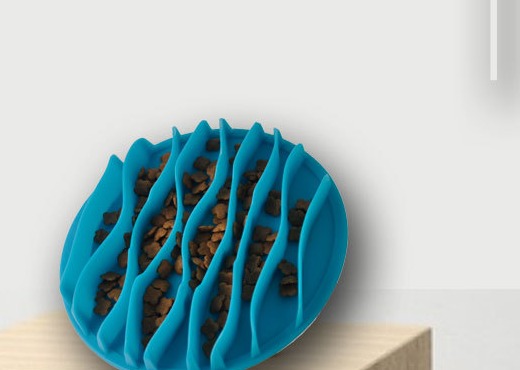
A slow feeder looks like a regular bowl with obstacles built into it: ridges, spirals, bumps, or maze patterns. The design forces your dog to eat around the obstructions instead of gulping straight from the center.
The effect is dramatic:
- Eating time stretches from under a minute to 5–15 minutes, depending on the maze complexity and your dog’s determination.
- Less air swallowing, which means less gas and less post-meal regurgitation.
- Mental stimulation. Working food out of a maze engages problem-solving — it’s mild enrichment at every meal.
- Better digestion. Slower eating means food is chewed more thoroughly and arrives at the stomach in manageable amounts.
Studies of canine feeding behavior consistently show that dogs fed from puzzle-style feeders show fewer signs of digestive distress than speed-eaters fed from flat bowls. It’s one of the cheapest health interventions you can buy for your dog.
Why “Dishwasher Safe” Is Non-Negotiable
Here’s what maze-bowl ownership looks like without dishwasher safety:
Twice a day, you’re digging wet kibble mush out of narrow grooves with a bottle brush. The residue sits in crevices, grows bacteria between meals, and develops a smell that hand-rinsing never fully removes. Within weeks, the bowl looks gross even when it’s technically clean.
A dishwasher-safe slow feeder changes the equation:
- Sanitization, not just cleaning. Dishwashers run hot enough to kill bacteria in the crevices your sponge can’t reach.
- Zero scrubbing. Scrape, rinse, rack — done. The maze that took you five minutes to hand-wash cleans itself.
- Consistency. You’ll actually wash it every meal, because it’s effortless. The bowl stays hygienic instead of gradually becoming a science experiment.
This matters more than most people realize: a dirty feeder bowl can harbor bacteria that cause the very digestive issues you bought the bowl to prevent. If it’s not easy to clean, it’s not doing its job.
What to Look For in a Slow Feeder Bowl
Food-safe materials
Look for BPA-free, food-grade plastic or silicone. Cheap bowls from unknown sources can leach chemicals, especially with fatty or acidic foods. Reputable manufacturers state their material specs — if they don’t, skip it.
Dishwasher-safe rating (top rack at minimum)
“Easy to clean” is not the same as dishwasher safe. Check the product description for explicit dishwasher-safe claims. Top-rack dishwasher safe is the standard for plastic feeders.
Non-slip base
A maze bowl on a slick floor becomes a hockey puck. Silicone or rubber bases that grip the floor keep the bowl in place while your dog works — otherwise the chase defeats the slow-down purpose.
Right size for your dog
Too deep and small dogs can’t reach the bottom; too shallow and large dogs clear the maze instantly. As a rule: the bowl should hold your dog’s full meal with the food sitting below the top of the maze ridges, not piled above them.
Maze difficulty matched to your dog
First-time slow feeder users (dog and human) should start with a simple spiral or wave pattern. Extreme mazes frustrate some dogs into giving up or tipping the bowl over. You can always upgrade to a harder design later.
A slow feeder dog bowl with an anti-choke maze design hits the sweet spot for most dogs: challenging enough to genuinely slow eating, simple enough that dogs engage rather than quit.
Getting Your Dog Used to a Slow Feeder
Most dogs adapt within a few meals. A few refuse at first. Here’s the transition:
- Start with something easy. Put a few high-value treats in the bowl first, not a full meal. Let your dog discover that food comes out of the maze.
- Don’t mix bowl types mid-meal. Feed the full meal in the slow feeder, not half-and-half. Consistency builds the habit.
- Supervise the first week. Watch for frustration behaviors: pawing the bowl across the room, trying to flip it, or refusing to eat. If frustration is high, switch to an easier maze pattern and work up.
- Wet food works great. Slow feeders shine with wet food or soaked kibble — the food clings to the maze and the meal lasts even longer. This is also where dishwasher safety pays off most, since wet food residue is the hardest to hand-clean.
Slow Feeder vs. Other Anti-Gulping Methods
| Method | Slows eating? | Effort | Cost |
|---|---|---|---|
| Slow feeder bowl | Yes, significantly | Low (if dishwasher safe) | Low |
| Scattering kibble on the floor | Somewhat | Medium (cleanup) | Free |
| Muffin tin feeding | Yes | Medium (washing 12 cups) | Free-ish |
| Hand-feeding | Yes | Very high | Free |
| Elevated slow feeder | Yes + posture benefit | Low | Medium |
The muffin tin trick works in a pinch, but washing twelve cups twice a day is worse than washing one maze bowl in the dishwasher. For daily life, a dedicated dishwasher-safe slow feeder wins on convenience.
Cleaning Routine That Keeps It Hygienic
Even with a dishwasher-safe bowl, a little routine keeps it in top shape:
- Rinse after every meal. A 10-second rinse stops residue from hardening into the maze.
- Dishwasher daily. Run it with your normal load — top rack for plastic bowls.
- Deep check monthly. Inspect the crevices for wear or buildup. Deep scratches in plastic can harbor bacteria even through the dishwasher; replace the bowl if the maze surface gets rough.
- Replace, don’t repair. A cracked or deeply scratched feeder is a bacteria trap. These are inexpensive items — replace annually or when worn.
For travel or outdoor meals, a collapsible silicone pet bowl makes a handy backup — it won’t slow eating, but it beats feeding off the ground.
The Bottom Line
A slow feeder dog bowl that’s dishwasher safe is one of those rare products that genuinely improves your dog’s health with almost no ongoing effort from you. The maze slows the eating, the dishwasher handles the cleaning, and your dog gets better digestion at every meal.
If your dog treats dinner like a race, it’s time to change the track. Browse the Skyrocs shop for more pet supplies that make ownership easier.
Frequently Asked Questions
Will a slow feeder bowl frustrate my dog?
Most dogs adapt within 3–5 meals. If your dog seems stressed, start with a simpler maze pattern and high-value treats rather than a full meal. The vast majority of dogs learn to enjoy the challenge.
Are slow feeder bowls safe for puppies?
Yes. Puppies benefit especially, since fast eating habits form early. Choose a shallow bowl sized for your puppy, and supervise until you’re confident they won’t chew the bowl itself.
Can I put a plastic slow feeder in the dishwasher?
Only if it’s rated dishwasher safe — check the product description. Dishwasher-safe models are designed to withstand high heat without warping. Non-rated plastic can warp or leach chemicals in the dishwasher.
How long should it take my dog to finish a meal in a slow feeder?
A good target is 5–15 minutes, up from the 1–2 minutes typical of speed eaters. If your dog still finishes in under 3 minutes, try a more complex maze or switch partly to wet food.
Do slow feeders really prevent bloat?
Slow feeders reduce one risk factor (rapid eating with air swallowing), but bloat has multiple causes including genetics, exercise timing, and meal size. Use a slow feeder as part of a broader prevention approach: smaller meals, no vigorous exercise right after eating, and know your breed’s risk level.