
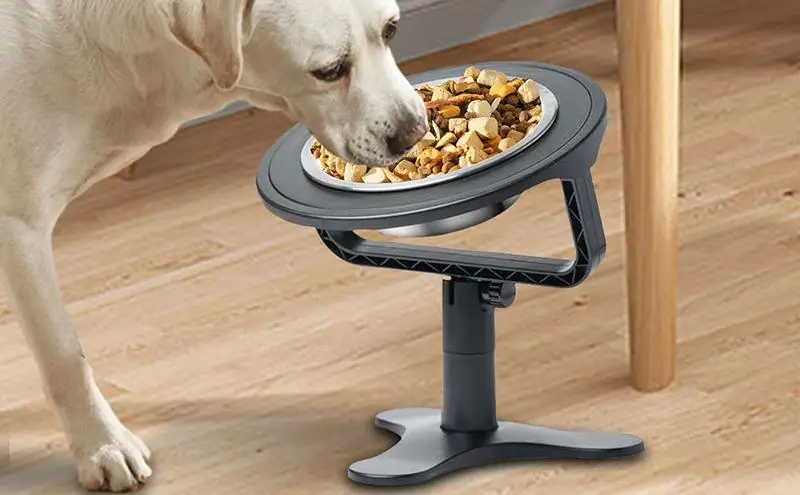
If your dog finishes dinner in under a minute, you are not alone. Many dogs eat as if every meal were a race, and the habit can cause more than a messy floor. Fast eating is linked to gulping air, vomiting after meals, bloating, and poor digestion. A slow feeder bowl for fast eaters is one of the simplest tools for breaking that pattern. It changes the shape of the bowl so food is harder to reach, which forces your dog to eat more slowly without any training, scolding, or special diet.
This guide explains how slow feeder bowls work, who benefits most from them, how to choose the right design, and how to introduce one without frustrating your dog. It also covers cleaning, safety, and the common mistakes that make owners give up too soon. As an example only, picture a dog that normally finishes a cup of kibble in forty seconds. With a maze-style bowl, the same meal might take three to five minutes, which gives the stomach a chance to keep up.
Why Fast Eating Is a Problem
Dogs that eat too fast tend to swallow large mouthfuls of kibble without chewing. That habit can lead to regurgitation, where food comes back up shortly after eating, and to stomach discomfort from swallowed air. In larger and deep-chested breeds, fast eating is also discussed as one factor associated with bloat, a serious condition in which the stomach fills with gas and can twist. A slow feeder does not replace veterinary care, and any dog with repeated vomiting, a swollen belly, or signs of pain after eating should be seen by a vet promptly. But for the everyday fast eater with no underlying illness, slowing the meal down is a sensible first step.
Fast eating can also make weight control harder. When a dog eats in seconds, the brain has little time to register fullness, so the dog may beg for more even after eating a full portion. Owners sometimes respond by adding food, which leads to gradual weight gain. Stretching a meal to several minutes helps the dog feel satisfied on the same portion.
How a Slow Feeder Bowl Works
A slow feeder bowl uses raised ridges, maze channels, or spiral patterns inside the bowl to spread food out and create obstacles. Instead of scooping up a whole mouthful from a flat surface, the dog must use its tongue and muzzle to work kibble out of narrow gaps. Most designs slow eating by a factor of two to five, depending on the dog and the design. Shallow maze patterns suit beginners, while deeper and more complex patterns suit dogs that have already learned to work around a simple design.
Slow feeders come in several materials. Stainless steel versions are heavy, hard to chew, and easy to clean, but they offer fewer maze shapes. Ceramic versions are also heavy and stable, though they can chip if dropped. Plastic versions offer the widest range of patterns and the lowest prices, but they should be checked regularly for scratches and chew marks, since damaged plastic can harbor bacteria. For example, a household with a strong chewer might start with a heavy stainless or ceramic option, while a gentle eater might do well with a patterned plastic bowl that is replaced when it shows wear.
Choosing the Right Bowl for Your Dog
Start with size. The bowl should hold your dog’s full meal with a little room to spare, but it should not be so large that food spreads too thin for the dog to reach. A bowl that is far too big can frustrate a small dog, while a bowl that is too small will overflow and defeat the purpose. Check the capacity in cups or milliliters before buying, and compare it with your dog’s normal portion rather than guessing from photos.
Next, match the difficulty to your dog. A dog that has never used a slow feeder should start with a simple pattern with wide channels. If the first bowl is too hard, many dogs will paw at it, flip it, or give up and refuse to eat. You can always move to a harder design later. Dogs with flat faces, such as pugs and bulldogs, need special care: deep mazes can be hard for them to use, so look for shallow patterns with wide openings, and watch the first few meals closely.
- Size: fits one full meal with a little room to spare.
- Difficulty: simple pattern first, harder pattern later if needed.
- Material: stainless or ceramic for chewers, patterned plastic for gentle eaters.
- Stability: non-slip base or enough weight to stay put.
- Cleaning: dishwasher-safe design or smooth surfaces that rinse easily.
Introducing the Bowl Without Frustration
Do not switch cold turkey on a hungry dog and expect instant success. On the first day, put only part of the meal in the slow feeder and the rest in the old bowl, so the dog learns that the new bowl still means food. You can also smear a thin layer of wet food on the ridges at first, which teaches the dog to lick and work the pattern rather than pawing at it. Most dogs adjust within three to seven days. If your dog refuses the bowl entirely for more than a day, step back to an easier pattern and try again.
Supervise the first few meals. Watch whether your dog can reach the food, whether it is getting stressed, and whether it is trying to chew the bowl itself. Some dogs figure out a shortcut, such as tipping the bowl or licking it from one side only. If that happens, try a different pattern rather than assuming the concept has failed. Puppies, senior dogs, and dogs with dental problems may need extra patience, and a vet or trainer can advise if eating remains difficult.
Cleaning, Safety, and When to Replace
Slow feeders have more corners than flat bowls, so food residue and saliva can build up in the channels. Rinse the bowl after each meal and wash it thoroughly at least once a day. Dishwasher-safe bowls are the easiest option, but check the care instructions first, since some printed patterns fade with repeated hot washes. Inspect the bowl weekly for cracks, chips, or deep scratches. A damaged bowl should be replaced, not kept in service, because rough surfaces can irritate gums and trap bacteria.
Slow feeders are a feeding aid, not a toy. Do not leave a dog unsupervised with a plastic slow feeder until you know it will not chew the bowl. Remove the bowl between meals, and store it where a bored dog cannot gnaw on it. For wet or raw food, choose smooth, wide channels that rinse clean.
Frequently Asked Questions
Will a slow feeder bowl stop my dog from vomiting after meals?
For many dogs, yes, slower eating reduces the gulping that leads to regurgitation. If vomiting continues even with a slow feeder, or if it happens often, see a vet, since the cause may be medical rather than behavioral.
How long should a meal take with a slow feeder?
There is no single target, but a useful rule of thumb is two to five minutes for a normal meal, compared with under a minute for a fast eater. If a meal takes longer than ten minutes and your dog seems stressed, the pattern may be too hard.
Can puppies use slow feeder bowls?
Yes, puppies can use them, but start with the simplest pattern and supervise closely. Puppies are still learning how to eat, so keep early sessions short and positive, and make sure the puppy is actually finishing its meals.
Are slow feeders suitable for wet food?
Many are, especially designs with shallow, wide channels. Deep, narrow mazes work best with dry kibble. For wet food, look for a lick-style or shallow-pattern bowl that spreads food thinly and rinses clean.
Conclusion
A slow feeder bowl for fast eaters is a small change with a real payoff: slower meals, less gulping, better digestion, and a calmer dog at dinner time. Choose a size that fits one meal, start with an easy pattern, introduce it gradually, and keep it clean. If you want to browse the wider range of feeding supplies for your dog, visit the pet supplies category for related options. With a little patience, most fast eaters settle in quickly.