
Why Collars and Leashes Sell as a Range, Not as Singles
Dog collars and leashes are the rare pet category where the customer almost always needs both items at once. A new puppy needs a collar and a leash on the same day, a replacement collar usually comes with a worn leash, and a gift buyer wants a matching set, not one half of a pair. Retailers who stock collars and leashes as a coordinated range, with matching colors, sizes, and materials, sell more units per customer than shops that treat them as separate shelves. Buyers sourcing from wholesale dog collars and leashes suppliers should therefore plan the range as pairs from the start, not as two independent product lines.
The category also rewards breadth in a way that beds or food do not. Collars come in sizes from toy to giant, materials from nylon to leather, and styles from everyday flat collars to reflective night-walking designs. No single style fits every dog or every owner, so a narrow range leaves money on the table. A thoughtful range covers the everyday core, a premium tier, and a functional tier for night walking or training, with each tier available in the sizes that actually sell. That structure turns a small shelf into a destination for dog owners.
Materials: What Each One Is Really For
Nylon is the workhorse of the category. It is light, washable, colorfast, and inexpensive, which makes it the right default for everyday collars and leashes in most price tiers. Its weakness is that it frays when chewed and can feel stiff when new, so quality nylon should feel smooth at the edges and hold its color after washing. Test a sample by washing it and checking for fraying at the cut ends, since cheap nylon unravels exactly where the owner grabs the leash every day.
Leather sits in the premium tier and sells on durability and looks. Good leather softens with use and lasts for years, while bonded or thin leather cracks and peels within months. Ask suppliers whether the leather is full grain, top grain, or bonded, and be honest on your own labels about which tier you sell. Leather needs care instructions at the point of sale, because a leather collar that goes through the washing machine is a return waiting to happen.
Biothane, a coated webbing material, has grown fast in the outdoor and working-dog market. It is waterproof, easy to wipe clean, and does not absorb smells, which makes it popular with owners who walk in rain, mud, or water. Its look is more functional than fashionable, so it suits the active tier rather than the fashion tier. Rope collars and leashes, often made from climbing-style rope, offer a similar outdoor appeal with a softer hand feel. Stock one outdoor material alongside nylon and leather, and you cover the three main buying motivations: everyday value, premium quality, and outdoor function.
Sizes and Safety Hardware
Size by neck measurement, not by breed. Two dogs of the same breed can differ by several centimeters around the neck, and a collar sized by breed guess will fit one dog and choke another. Stock a size chart that runs from extra-small through extra-large, and print the neck range in centimeters on every shelf tag and listing. Train staff to measure the dog’s neck with two fingers of slack, the standard fit test, before recommending a size. That single habit cuts size-related returns more than any other change.
Hardware is where safety lives, and it is where cheap products fail. Buckles should close with a firm click and resist opening under a sharp pull, D-rings should be welded rather than simply bent closed, and leash clasps should swivel so the leash does not twist during a walk. Test samples by pulling hard on the clasp and the D-ring, and reject hardware that bends, slips, or opens under moderate force. A collar that fails on a walk is not a minor defect, since it can put a dog in traffic, so hardware testing is not optional. If a supplier cannot state the hardware material and load rating, treat that as a missing safety fact, not as a detail to overlook.
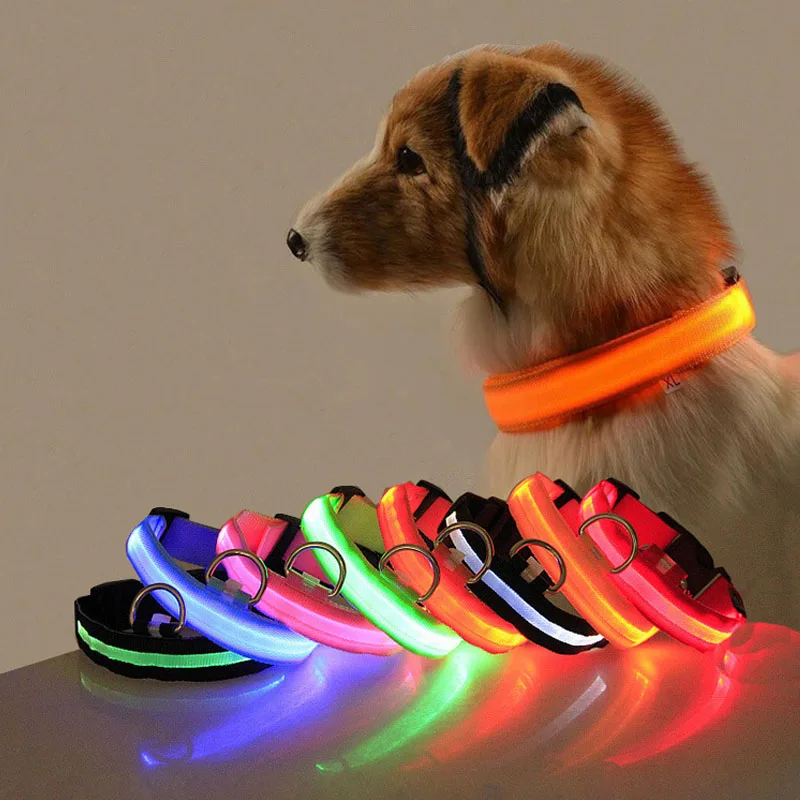
Reflective stitching and high-visibility colors belong in every range, not only in a night-walking corner. Many owners walk at dawn or dusk without thinking of themselves as night walkers, and a reflective collar is cheap insurance that sells itself once the customer sees it under a light. Stock reflective options in the core colors, not only in neon, so customers do not have to choose between visibility and a color they like.
Matching Sets and Range Architecture
Build the range in sets, not in singles. For each color and material, stock the collar, the leash, and, where the supplier offers it, a matching harness or waste-bag holder. Display them together, price the set slightly below the sum of the singles, and let the customer see the full look at a glance. Bundling works in this category because the purchase is naturally paired, and a small bundle discount often lifts the average order from one item to two without any extra selling effort.
A workable architecture for a mid-sized shop is three tiers across four size groups. The everyday tier is nylon in five or six core colors, the premium tier is leather in two or three classic colors, and the functional tier is reflective or waterproof in three high-visibility colors. Four size groups, small, medium, large, and extra-large, keep the matrix manageable. That gives a full-looking wall without the inventory burden of stocking every color in every size. Track which colors sell in which sizes, since color popularity varies by size, and let that data shape the second order.
MOQ and Ordering Rhythm
MOQ for collars and leashes usually applies per color and size, which can multiply quickly across a full matrix. A supplier asking for fifty units per color per size would require hundreds of units for a modest range, which is too much cash for a first order. Negotiate the structure before the price: ask whether colors can be mixed within one MOQ, whether sizes can be assorted in a case pack, and whether a first order can use a lower trial MOQ. Suppliers who sell to independent retailers usually offer assorted packs, while suppliers built for large chains may not, so the MOQ conversation also tells you whether the supplier fits your business size.
Set a restock rhythm based on sell-through, not on the calendar. Fast colors in popular sizes may need reordering every three to four weeks, while slow sizes can wait two months. Review the range monthly, promote the winners to a larger share of the next order, and drop the slowest color in each tier rather than discounting it endlessly. A range that refreshes regularly looks alive to repeat customers, while a wall of dusty slow sellers signals a shop that stopped paying attention. Keep a small buffer of the top three sellers, since a stockout on a popular collar sends the customer to a competitor the same day.
Display and Merchandising That Moves Stock
Display collars by size, not by color, since a customer shops for a fit first and a color second. Group all small collars together, then medium, then large, so the customer finds their size wall quickly and then chooses a color within it. Hang leashes next to their matching collars, not on a separate wall, so the pair is obvious.
Retailers expanding their pet accessories range can compare frameworks in the pet grooming supplies wholesale guide, and open trade terms through the wholesale program page.
Frequently Asked Questions
How many colors should a small shop carry?
Five or six core colors in nylon, two or three classic colors in leather, and three high-visibility colors in the functional tier cover most customers. Track color sales by size, since popularity varies, and drop the slowest color per tier rather than discounting it forever.
What MOQ structure should I negotiate first?
Negotiate mixed colors within one MOQ and assorted sizes in a case pack before negotiating unit price. A low unit price is poor value if the MOQ forces hundreds of units across a full matrix on a first order.
How do I test collar hardware before ordering?
Pull hard on the buckle, D-ring, and leash clasp on a sample, checking for bending, slipping, or accidental opening. Prefer welded D-rings and swivel clasps, and ask the supplier for the hardware material and load rating in writing.
Should collars and leashes be displayed together?
Yes. Group collars by size, hang the matching leash beside each collar group, and price a set slightly below the sum of the singles. Customers buy pairs naturally, and a split display often loses the second item.