
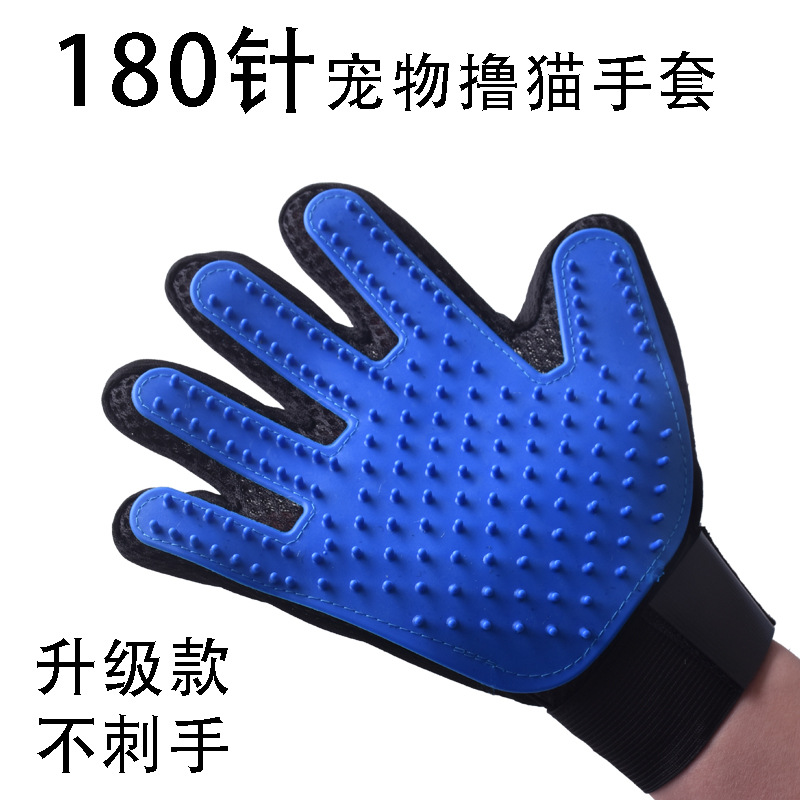
If you live with a cat or a dog, you already know the deal: fur on the sofa, fur on your black sweater, fur drifting across the floor like tumbleweed. Brushing helps, but many pets hate brushes. They run, squirm, or bite the bristles. A pet deshedding glove changes the dynamic because it feels like petting, not grooming. You slip it on, stroke your pet the way you normally would, and the glove quietly collects the loose undercoat. This guide explains how pet deshedding glove grooming works, when it beats a brush, and how to build a routine your pet tolerates.
Why Pets Shed So Much Hair
Shedding is normal. Most cats and dogs grow a denser undercoat for cold months and drop it when days get longer. Indoor pets, kept in steady temperatures with artificial light, may shed lightly all year instead of in two big seasonal blows. Breed matters too: long-haired cats, double-coated dogs such as huskies and golden retrievers, and short-haired breeds that still carry a thick undercoat all leave plenty of hair behind. Stress, diet changes, and dry skin can make shedding worse, so a sudden increase in hair loss is worth a vet check. For the everyday case, though, the fix is not to stop shedding. It is to catch loose hair before it lands on your furniture.
Most grooming tools fail on cooperation, not on hair removal. A slicker brush works well on a calm pet, but on a nervous pet it feels strange and scratchy, and the session ends after thirty seconds. A glove solves cooperation first: your pet already likes being stroked, and the glove makes each stroke count.
How a Deshedding Glove Actually Works
A deshedding glove is a flexible glove covered on the palm and fingers with soft silicone or rubber nubs. As you stroke your pet, the nubs reach through the topcoat and catch loose, dead undercoat without pulling healthy hair. The collected hair clumps on the glove surface, and you peel it off in one sheet when you are done. Most gloves fit either hand, and many come as a pair so you can groom with both hands at once.
The key difference from a brush is pressure. With a brush, you press a hard tool against skin. With a glove, your hand stays in contact with your pet, so you feel the body underneath and adjust naturally. Bony areas get a lighter touch without thinking about it, and sensitive spots are easy to skip. Pets relax because the touching hand is warm, flexible, and familiar.
Deshedding Glove vs Brush: Which Should You Use?
Neither tool wins every time. A glove is the better daily tool for most pet owners because it is gentle, fast, and easy to keep up. A brush or comb still has a role for detangling mats and for very long coats that need section-by-section work. The honest answer is to use both, with the glove doing the frequent light work and the brush handling the occasional deep session.
Choose the glove first if your pet hides at the sight of a brush, if you have a short- or medium-coated pet, or if you want a quick daily habit rather than a weekly battle. Choose a brush first if your pet already tolerates brushing and has mats behind the ears or under the legs, since a glove will glide over a mat rather than work through it. For double-coated dogs in heavy shedding season, many owners use the glove daily and add a short comb-through once a week. That combination keeps the coat healthy without turning grooming into a chore.
A Simple 5-Minute Grooming Routine
Start when your pet is already relaxed, not when they are wired after a walk. Sit somewhere comfortable, slip the glove on, and begin with long, slow strokes along the back, where most pets enjoy touch. Talk calmly. If your pet leans in, keep going. If they walk away, let them. Two minutes of willing grooming beats ten minutes of wrestling, and short sessions build trust for the next time.
Work in sections: back, sides, chest, then the tail area, finishing with a light pass over the neck. Skip the belly unless your pet rolls over happily. Peel the collected hair off the glove every minute or so so the nubs stay effective. When you finish, give a treat or a play break so the session ends on a good note. As an illustrative example, five minutes a day for a week often removes more loose hair than one long weekend session, because the coat sheds continuously and daily strokes catch hair before it spreads.
In heavy shedding season, add a second short evening session. In light periods, three or four sessions a week is plenty. Watch the skin: mild pinkness that fades quickly is normal, but lingering redness means you pressed too hard. Back off and retry the next day.
Grooming Cats vs Dogs With a Glove
Cats need a lighter hand than dogs. Most cats enjoy slow strokes along the back and cheeks and dislike fast, repeated passes over the same spot. Keep cat sessions to three to five minutes, and stop while your cat is still happy rather than pushing for one more pass. Short-haired cats often need only the glove. Long-haired cats still need a comb for mats, but the glove is a good daily top-up between comb sessions.
Dogs vary more by breed and temperament. Short-coated dogs such as labradors respond well to a firm, even stroke. Double-coated dogs need more time on the dense areas around the neck, thighs, and tail base, where undercoat packs thickest. Nervous dogs benefit from pairing the glove with something positive: groom after a walk when energy is lower, or while a second person offers treats. Puppies should meet the glove early, with sessions as short as one minute, so grooming becomes a normal part of life rather than a surprise.
Cleaning and Looking After Your Glove
Cleaning is simple. After each session, peel the hair sheet off and bin it. Once a week, rinse the glove in warm water with a little mild soap and air dry it fully. Do not use a hot dryer, since heat can warp the silicone nubs. Check monthly for torn nubs or loose stitching, and replace the glove when the surface feels uneven.
Common Mistakes to Avoid
The most common mistake is pressing too hard. The nubs do the work; your job is only to guide the hand. Pressing harder does not collect more hair, it just irritates skin and teaches your pet to run. The second mistake is grooming too long. A pet that enjoyed the first three minutes may hate minute ten. Short and pleasant beats long and thorough. The third mistake is grooming a matted coat with a glove alone. Mats need a comb or a groomer, and dragging a glove over them hurts. Finally, do not groom a pet with sore skin, hot spots, or a recent wound. Wait until the skin has healed, and ask a vet if you are unsure.
FAQ
How often should I use a deshedding glove?
For most pets, three to five short sessions a week is enough in normal shedding periods. During heavy seasonal shedding, daily sessions of about five minutes work well. Stop if the skin looks irritated, and keep sessions short so your pet stays willing.
Does a deshedding glove work on short-haired pets?
Yes. Short-haired cats and dogs still shed loose undercoat, and the glove catches it well. You may collect less hair per session than with a double-coated breed, but the difference around the house is still noticeable after a week of regular use.
Will a deshedding glove hurt my pet?
Used with light pressure, no. The silicone nubs are soft and rounded, and your hand naturally adjusts to the body underneath. Avoid pressing hard, avoid sore or broken skin, and stop if your pet shows signs of discomfort.
Can I use a deshedding glove on a wet pet?
It works best on a dry coat, when loose hair separates easily. After a bath, towel-dry your pet first and wait until the coat is mostly dry. Grooming a soaking-wet coat is less effective and can feel uncomfortable for the pet.
How do I clean a deshedding glove?
Peel the collected hair off after each session. Wash the glove weekly in warm water with mild soap, rinse well, and air dry fully before storing. Replace the glove when nubs wear down or stitching comes loose.
Less hair on the sofa starts with a tool your pet does not hate. If brushing has always been a fight in your house, try the glove for a week of short, calm sessions and judge by the results: a calmer pet, a cleaner home, and a routine you can actually keep. Browse the pet deshedding glove to see the current option, or explore the wider pet supplies range for grooming essentials.