
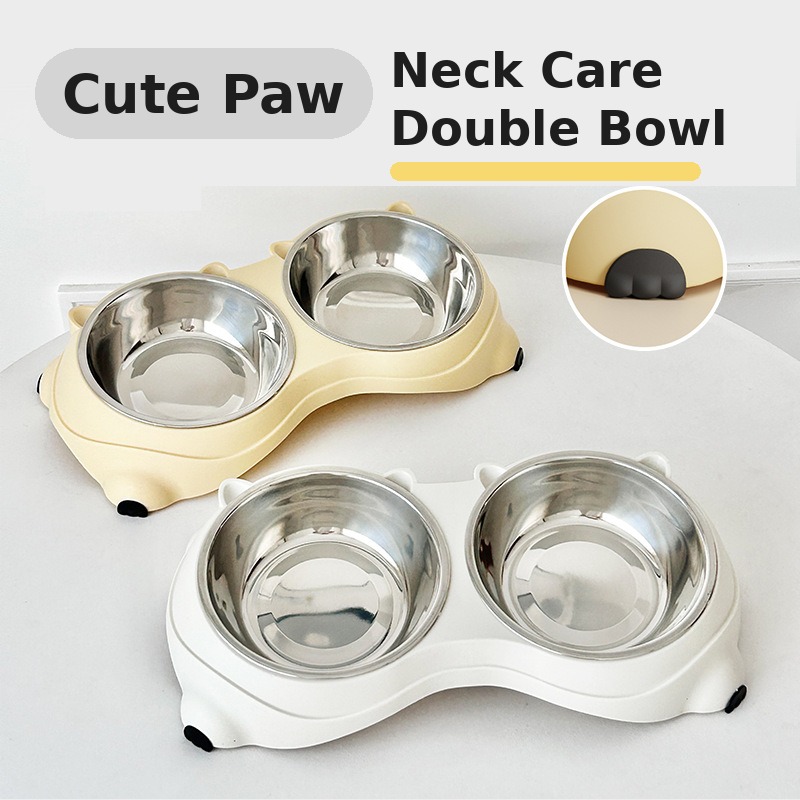
Running a pet store depends on sourcing as much as on selling. Shelves need to stay stocked with products customers actually want, at prices that leave room for a healthy margin, without tying up too much cash in slow-moving stock. Wholesale pet supplies sourcing is the process that makes that balance possible. It covers choosing a range, finding reliable suppliers, agreeing ordering terms, and planning stock so popular lines are available when customers ask for them. For a new retailer, the learning curve can feel steep. For an established store, a regular review of suppliers and ranges can reveal gaps, improve margins, and refresh the offer. This guide walks through the sourcing process step by step, with practical points a retailer can apply whether the store is a small local shop, a growing online seller, or a larger retail operation.
What Wholesale Pet Supplies Sourcing Really Covers
Wholesale sourcing is broader than simply buying in bulk. It starts with understanding the customer base. A store serving mainly dog owners needs a different range from one serving cat owners, small pets, birds, or a mix of all of them. Within each group, everyday essentials such as food, bowls, leads, and litter sit alongside discretionary lines such as toys, beds, grooming tools, and seasonal items. A good wholesale range balances those essentials, which drive repeat visits, with higher-interest lines that encourage browsing and add-on purchases. Sourcing also covers quality checks, packaging, labelling, and compliance with local rules for pet products. A supplier relationship includes communication, delivery reliability, returns handling, and support when a product has a fault. Retailers who treat sourcing as a one-off purchase often end up with gaps and overstocks. Retailers who treat it as an ongoing process, reviewed regularly, build a range that stays relevant as customer needs and trends change.
Finding and Vetting Reliable Suppliers
Finding suppliers starts with a clear brief. List the product groups needed, the expected order size, the delivery area, and any quality or packaging requirements. Trade shows, industry directories, referrals from other retailers, and supplier websites all provide leads. Vetting matters more than volume of leads. Ask for product details, materials, care guidance, and any safety or compliance information relevant to the market. Request samples where possible, and test them as a customer would, checking durability, finish, packaging, and ease of use. Check delivery times, minimum order quantities, and how the supplier handles damaged or faulty goods. A supplier who answers promptly, gives clear terms, and resolves problems quickly is often worth more than one with a slightly lower price but slow communication. Keep notes on each supplier, including contact details, terms, and performance over time. That record makes it easier to compare options, reorder with confidence, and switch suppliers if service slips.
Building a Range That Sells
A strong range starts with the core lines customers expect to find every time they visit. Food, feeding bowls, leads, collars, litter, and basic grooming tools form the backbone for many stores. Around that core, add lines that reflect the local customer base. A neighbourhood with many puppies may need training aids and chew toys. An area with many apartment cats may need compact scratchers, quiet fountains, and litter solutions suited to smaller homes. Seasonal lines, such as cooling mats for warm months or warm beds for colder months, add variety without replacing the core. Avoid filling shelves with near-identical products that compete with each other. Instead, offer clear choices at different quality and price levels, so customers can trade up or down without confusion. Review sales regularly, and be willing to drop lines that sit untouched while giving more space to lines that sell steadily. A range that evolves with real sales data stays healthier than one fixed by guesswork.
Ordering, Minimums, and Stock Planning
Ordering well protects both cash flow and availability. Minimum order quantities shape how much stock arrives at once, so understand them before committing. A low minimum suits testing a new line, while a larger minimum may suit a proven bestseller. Plan orders around lead times, allowing for delivery and unpacking before stock is needed on the shelf. Keep a simple stock record, even for a small store, showing what is on hand, what is on order, and what sells fastest. Reorder popular lines before they run out, rather than after customers have already been disappointed. For slower lines, order smaller quantities and review them more often. Watch for seasonal patterns, since demand for outdoor gear, travel items, and seasonal accessories rises and falls through the year. Clear communication with suppliers about expected delivery dates helps avoid surprises. When a delivery is delayed, a prompt note to customers waiting for a product preserves trust far better than silence.
Working With a Wholesale Partner
A wholesale partner should feel like an extension of the retail team, not just a seller of goods. Good partners share product information, images, and descriptions that help a retailer present products well online and in store. They flag new lines, discontinued lines, and upcoming changes early enough for the retailer to plan. They offer consistent pricing terms and explain any changes clearly. Retailers can support the partnership by ordering regularly, paying on agreed terms, and giving honest feedback about which products sell and which do not. That feedback helps suppliers improve their ranges and helps retailers avoid repeating poor choices. Over time, a trusted partnership can open up early access to new products, better support for promotions, and smoother handling of returns. For retailers exploring a wholesale relationship, the first step is often a simple enquiry about ranges and terms. You can begin that conversation through the wholesale page and discuss the product groups, order sizes, and delivery needs that fit the store.
Frequently Asked Questions
How do I start sourcing wholesale pet supplies? Start with a clear list of product groups, expected order sizes, and delivery needs. Research suppliers, request samples for key lines, compare terms, and test a small initial order before committing to a larger range.
What is a minimum order quantity? It is the smallest order a supplier will accept for a product or order. Minimums vary by supplier and product, and they affect how much stock and cash are tied up in a single order. Ask about minimums early, before planning shelf space or budgets.
How do I avoid overstocking slow sellers? Order small quantities for unproven lines, track sales regularly, and review slow lines promptly. Give proven bestsellers more space, and drop lines that remain unsold after a fair trial period.
Should a small store use one supplier or several? Using more than one supplier reduces risk if one supplier has a delay or discontinues a line. A small store can start with a core supplier for essentials and add specialists for particular groups such as toys, beds, or grooming tools.
Where can I learn more about wholesale options? A good starting point is the Skyrocs homepage, which outlines the wider business and links onward to wholesale information for retailers exploring a sourcing partnership.