
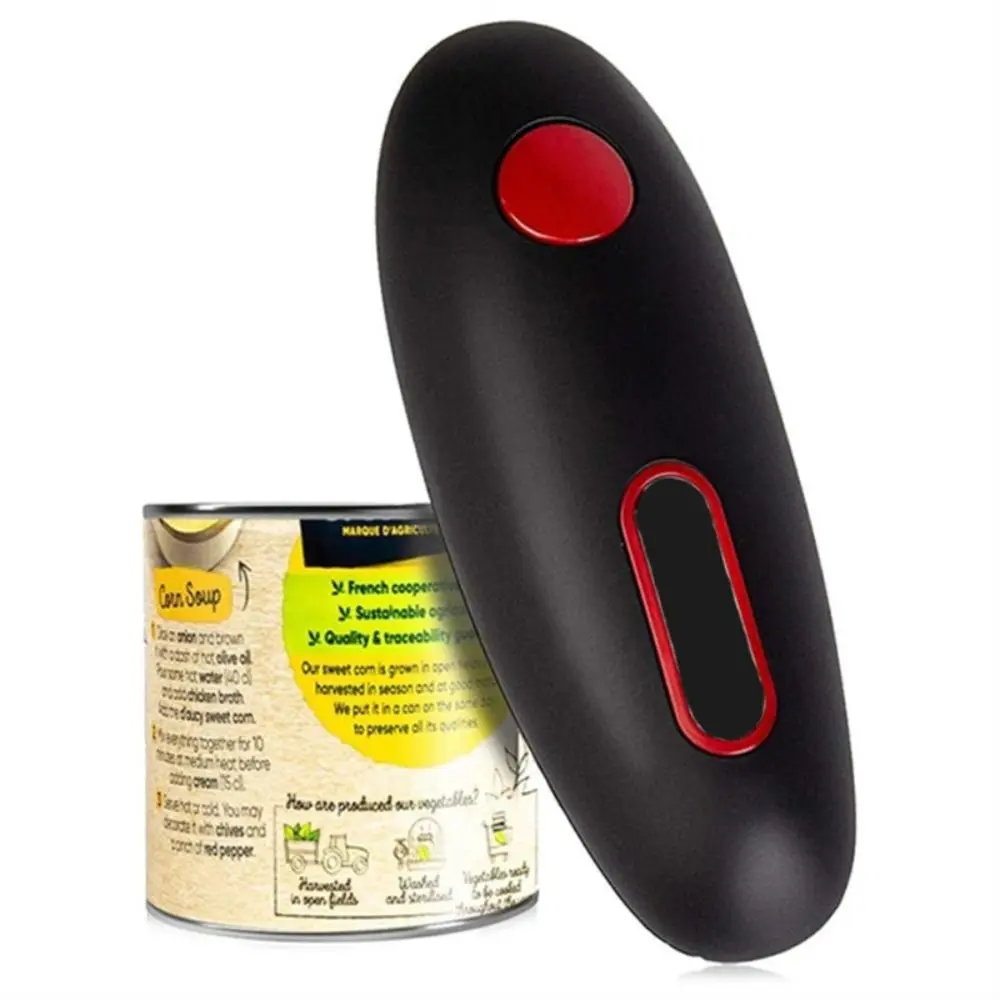
Opening a can should be a small task, not a painful one. For many older adults living with arthritis, however, a standard manual opener can turn a simple meal preparation step into a frustrating struggle. Stiff fingers, reduced grip strength, and tender joints make twisting, squeezing, and holding a small handle hard work. An electric can opener for seniors arthritis changes that task completely. It takes over the cutting and turning, so the user only needs to place the can, press a control, and lift the lid away. The result is a calmer kitchen routine, greater independence, and fewer moments when a meal is delayed because a can will not open.
Why Opening Cans Gets Harder With Arthritis
Arthritis affects the joints in ways that make everyday kitchen tools harder to use. A manual can opener demands a firm grip, steady pressure, and repeated twisting. Each of those actions can irritate sore knuckles and wrists. When grip strength is reduced, the opener may slip, the cutting wheel may fail to catch the lid, and the user may need to start again. That repeated effort can leave hands aching long after the can is open. Cold mornings can make stiffness worse, and a can that resists opening at breakfast can set a difficult tone for the rest of the day. Many people respond by avoiding canned foods altogether, even though canned beans, tomatoes, soup, and tuna are convenient pantry staples. Others ask a family member for help, which can feel like a loss of independence over a task they once handled without thinking. Recognising that the tool is the problem, rather than the person, is an important first step. A tool designed to remove grip and twisting from the task restores control to the cook.
How an Electric Can Opener Removes the Strain
An electric can opener works by holding the can in place and driving the cutting wheel with a motor. The user does not need to squeeze handles together or turn a crank. In a typical hands-free design, the can is placed under the cutting head, a lever or button is pressed, and the opener cuts around the lid on its own. Some models stop by themselves when the cut is complete, while others need a second press to release the can. Either way, the physical effort is far lower than with a manual opener. The hands stay relaxed, the wrist stays in a neutral position, and the cutting action stays steady from start to finish. That steadiness also helps with safety. A smooth, even cut is less likely to leave sharp, jagged edges than a manual opener that slips and tears. For someone with sore hands, the difference is not only comfort. It is the ability to prepare a meal without planning around pain, asking for help, or avoiding useful ingredients.
Features That Matter for Sore Hands
Not every electric opener suits every user, so it helps to look at features through the lens of sore hands. A large, simple control is easier to press than a small, stiff button. A clear on and off action, with no need to hold a button down throughout the cut, reduces fatigue. A stable base matters as well, because an opener that slides across the counter forces the user to hold it steady with the other hand. A model that grips the can firmly on its own leaves both hands free. Smooth-edge cutting is another feature worth seeking, since a lid with a smooth rim is safer to lift and discard. Easy cleaning also counts. A cutting head that lifts away or wipes clean without fiddly parts makes regular care realistic for someone with limited dexterity. Size and storage deserve attention too. A compact opener that fits on a countertop without crowding the workspace is more likely to be used every day. A tall or heavy model that must be lifted from a cupboard each time may go unused, however well it cuts.
Choosing the Right Model for Your Kitchen
Choosing well starts with the kitchen, not the catalogue. Think about where the opener will live, how often canned food is used, and what size cans are common in the household. A countertop model suits a cook who opens cans most days and has a spare corner near a power outlet. A smaller handheld electric model may suit a kitchen with limited counter space, although it still needs a comfortable grip. Check how the opener starts and stops, and whether the action feels natural without reading a long manual. If possible, handle the controls before buying, or choose a seller with a clear returns policy. Consider who else will use it. A model that works for the person with arthritis should also be simple enough for a visiting family member to use without instruction. Look for a design that handles the usual can sizes in the home, from small tuna cans to taller soup cans, without awkward adjustments. For other everyday home essentials, explore the kitchen gadgets category alongside kitchen tools when planning a household order, and keep the focus on ease of use rather than extra functions that add complexity.
Safe Everyday Use and Simple Care
Safe use begins with placement. Set the opener on a flat, dry surface, keep the cord away from heat and water, and make sure the can sits level before starting the cut. Let the motor do the work, and avoid pushing the can or forcing the lid while the opener is running. When the cut is finished, lift the lid carefully by its edge, and dispose of it straight away so it does not sit on the counter. Wipe the cutting head after use, especially after opening acidic foods such as tomatoes, and allow it to dry before storing. Check the cord and plug from time to time for wear, and keep the opener unplugged when it is not in use if the design allows that. If the cutting wheel begins to struggle or leave rough edges, clean it first, since food residue is a common cause of poor cutting. Simple, regular care keeps the opener reliable and avoids the need to wrestle with a dull or dirty cutter. A calm routine, with the opener in the same place and the same steps each time, also helps build confidence. Over time, opening a can becomes automatic again, rather than a task to dread. You can start that routine by visiting the Skyrocs homepage for current kitchen and home ranges.
Frequently Asked Questions
Is an electric can opener safe for someone with arthritis? Yes, when it is used as directed. The motor handles the cutting, so the user avoids the squeezing and twisting that strain sore joints. Choose a model with smooth-edge cutting and a stable base, place the can correctly, and lift the lid carefully after the cut.
Does an electric opener work on different can sizes? Most countertop models handle common household can sizes, from small cans to taller soup cans. Check the product description for the size range before buying, and test with the cans used most often at home.
Is it hard to clean an electric can opener? Cleaning is usually simple. Wipe the cutting head after use, remove visible food residue, and let the parts dry. Avoid soaking electrical parts in water, and follow the care guidance that comes with the model.
Can one person use it without help? That is the main benefit. A hands-free design lets one person place the can, start the cut, and remove the lid without needing a second pair of hands. This supports independent cooking for people who want to keep preparing meals on their own.
What if the opener stops partway through a cut? Stop, unplug the opener if the design allows it, and check whether the can is level and the cutting head is clean. Reposition the can and start again. If the problem repeats, the cutting wheel may need cleaning or the can may be an unusual shape for that model.