
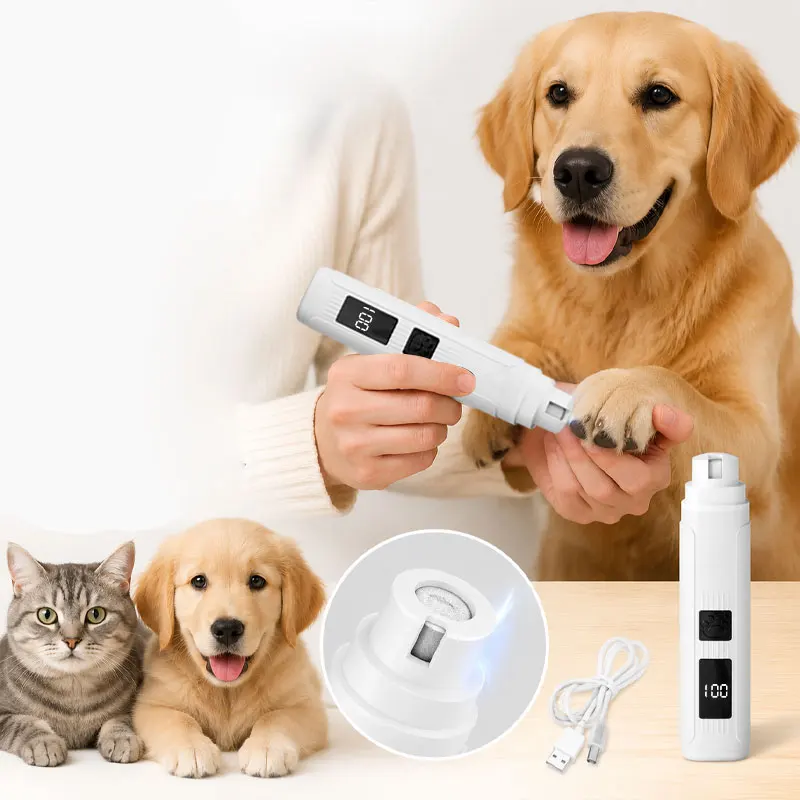
Pet Nail Clipper vs Grinder: Which Should You Choose?
If you have ever asked yourself “pet nail clipper vs grinder – which is better for my dog?”, you are not alone. Nail trimming is one of the most stressful grooming tasks for both pets and owners. The wrong tool can turn a two-minute job into a wrestling match, while the right one makes it quick, calm, and safe. In this guide, we compare clippers and grinders head to head on safety, noise, speed, and cost, so you can pick the right tool for your dog with confidence.
How Nail Clippers Work (and When They Shine)
Guillotine and scissor-style nail clippers cut the nail in one quick snip. They are the classic choice at vet clinics and grooming salons because they are fast: an experienced hand can finish all four paws in under two minutes. Clippers are also silent, which matters for noise-sensitive dogs, and they cost very little – most quality clippers sell for under $15.
The downside is precision. One wrong snip can cut the quick (the blood vessel inside the nail), causing pain and bleeding. This risk is highest with dark nails, where the quick is invisible from the outside. Clippers also leave a sharp, rough edge that can scratch floors and skin unless you file afterward.
How Nail Grinders Work (and When They Win)
Nail grinders use a rotating abrasive head to file the nail down gradually. Because you remove material a little at a time, the risk of hitting the quick drops dramatically – you can see the nail getting shorter and stop well before danger. Grinders also leave a smooth, rounded edge, so no follow-up filing is needed.
A USB rechargeable pet nail grinder is the modern take on this tool: cordless, with two speed settings so you can start slow for nervous dogs and switch to high speed once they relax. The trade-offs? Grinders make noise and vibration, which some dogs dislike at first, and the job takes longer – plan on 5 to 10 minutes for a full trim while your dog gets used to the sensation.
Pet Nail Clipper vs Grinder: Head-to-Head
| Factor | Nail Clipper | Nail Grinder |
|---|---|---|
| Safety margin | Lower – one bad snip hits the quick | Higher – gradual filing, easy to stop in time |
| Noise | Silent | Buzzing sound and vibration |
| Speed | Very fast (1-2 minutes) | Slower (5-10 minutes) |
| Finish quality | Rough edge, needs filing | Smooth, rounded edge |
| Dark nails | Risky – quick is hidden | Safer – remove a little at a time |
| Cost | $8-$15 | $15-$35 |
Which Is Safer for Your Dog?
For most owners, a grinder is the safer choice – especially if your dog has dark nails, if you are new to nail trimming, or if your dog has had a bad clipping experience before. The gradual approach gives you full control and nearly eliminates the bleeding accidents that make dogs fear future trims.
Clippers still win for speed and silence. If your dog is already comfortable with clippers and you can spot the quick confidently, there is no reason to switch. Many groomers use both: clippers to take off length quickly, then a grinder to smooth the edges.
How to Trim Your Dog’s Nails at Home: 5 Steps
1. Pick the right moment. Choose a time when your dog is calm and tired – after a walk works well. Keep treats within reach.
2. Get your dog used to the tool. Let your dog sniff the clipper or grinder, then touch it to a paw while giving treats. With a grinder, turn it on near (not on) your dog first so the sound becomes normal.
3. Trim a little at a time. With clippers, cut at a 45-degree angle, taking off only the tip. With a grinder, hold the nail against the spinning head for 2-3 seconds per nail, then move on – long grinding on one nail creates heat.
4. Watch for the quick. On light nails, stop when you see a pink oval in the center of the cut surface. On dark nails, stop when the surface turns from flaky white to smooth gray.
5. Reward generously. End every session – even a one-paw session – with praise and a treat. Short, positive sessions beat one long stressful one.
The Best of Both Worlds: 2-in-1 Tools
Can’t decide between a clipper and a grinder? You don’t have to. A 2-in-1 pet nail clipper and grinder combines both tools in one device: use the clipper for quick length removal and the built-in grinder to smooth every edge. It is the most flexible option for multi-dog households where each dog tolerates a different method, and it costs less than buying two separate quality tools.
Pair your nail care routine with the rest of your pet supplies – regular grooming sessions are also the perfect time to check paws for cuts, ticks, or cracked pads. If shedding is your bigger battle, our comparison of pet deshedding glove vs brush will help you pick the right tool for that job too.
Frequently Asked Questions
Is a nail grinder better than clippers for dogs?
For beginners and dogs with dark nails, yes – grinders are more forgiving because you remove nail gradually and can stop before the quick. Experienced owners who value speed often prefer clippers.
Does grinding a dog’s nails hurt?
No, when done correctly. Keep the grinder on each nail for only a few seconds at a time to avoid heat buildup, use low speed for small dogs, and stop if your dog shows discomfort.
How often should I trim my dog’s nails?
Most dogs need a trim every 3-4 weeks. If you hear clicking on hard floors, the nails are overdue. Dogs that walk daily on pavement may naturally wear nails down and need less frequent trims.
Can I use a nail grinder on a puppy?
Yes – puppies are actually the easiest to train on a grinder. Start with the tool off, reward calm behavior, then do one nail per session. Early positive experiences prevent fear later.
What should I do if I cut the quick?
Stay calm and apply styptic powder or cornstarch with gentle pressure for a few minutes. The bleeding looks dramatic but stops quickly. Give your dog a treat so the session still ends positively.
Clipper or grinder for thick nails?
Large breeds with thick nails do well with a heavy-duty clipper for bulk removal followed by a grinder to smooth. A 2-in-1 tool handles both steps without switching devices.
The Bottom Line
In the pet nail clipper vs grinder debate, safety favors the grinder and speed favors the clipper – but the real winner is whichever tool you will actually use consistently. Overgrown nails cause pain and posture problems, so the best tool is the one that keeps trims stress-free enough to happen every month. Start slow, reward often, and your dog may even learn to look forward to nail day.