
If your dog inhales dinner in 30 seconds flat — then begs, bloats, or throws it all back up — you have probably already met both contenders in the lick mat vs slow feeder bowl debate. Both promise to slow down fast eaters, but they do it in completely different ways, and picking the wrong one means wasted money and a dog that is still speed-eating.
This guide compares the two head-to-head: how they work, what foods they handle, how they affect anxiety and digestion, and how much hassle each one adds to your routine. By the end, you will know exactly which one fits your dog.
Lick Mat vs Slow Feeder Bowl: What Each One Is
A lick mat is a flat silicone pad covered in textured ridges, nubs, or maze-like grooves. You spread soft food across it — peanut butter, plain yogurt, pumpkin puree, wet food — and your dog licks it off bit by bit. There is no real “eating” involved; the whole point is the licking motion, which is naturally calming for dogs.
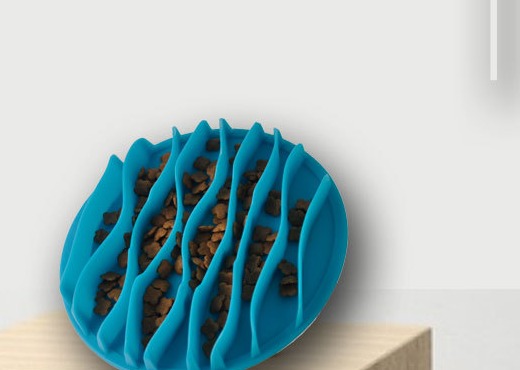
A slow feeder bowl looks like a regular dog bowl with a maze, ridges, or wave patterns molded into the bottom. You pour in dry kibble (or wet food), and your dog has to nose and nudge each piece out of the obstacles. It turns mealtime into a light puzzle that physically prevents gulping.
In short: the lick mat slows your dog down through licking; the slow feeder bowl slows your dog down through foraging. Both work — but for different dogs, foods, and goals.
Lick Mat vs Slow Feeder Bowl: Head-to-Head Comparison
Eating speed
Both slow things down dramatically compared to a regular bowl, but in different scenarios. For soft, spreadable foods, the lick mat wins — a smear of peanut butter that would vanish in seconds takes 10 to 20 minutes of steady licking. For dry kibble, the slow feeder bowl is the clear choice; kibble simply falls off a lick mat. A good maze bowl can stretch a 30-second gobbler into a 5- to 10-minute eater.
Enrichment and anxiety relief
This is where the lick mat shines. Repetitive licking releases calming endorphins in dogs, which is why vets and trainers recommend lick mats for crate training, thunderstorms, fireworks, vet visits, and bath time. The slow feeder bowl offers a different kind of enrichment — light problem-solving — which tires out an active brain but does not deliver the same calming effect.
Best food types
- Lick mat: peanut butter, yogurt, pumpkin puree, mashed banana, wet food, broth (frozen for extra-long sessions).
- Slow feeder bowl: dry kibble, wet food, raw food, or a mix. It handles full meals; the lick mat handles snacks and treats.
If your main goal is slowing down actual meals, the bowl is the workhorse. If your goal is calming enrichment between meals, the mat is the specialist.
Cleaning
Both are dishwasher safe, which is the good news. The fine print: a lick mat’s tiny grooves trap peanut butter and puree, so it usually needs a quick soak or a pass with a brush before the dishwasher. A slow feeder bowl’s smooth, rounded maze ridges rinse clean in seconds. On pure convenience, the bowl wins.
Durability and chewing
Power chewers, take note. A sturdy slow feeder bowl made from food-grade TPR or melamine stands up to enthusiastic eaters and is hard to destroy. A silicone lick mat will not survive a determined chewer — it is a supervised-use tool, not a chew toy. If your dog destroys soft toys, the bowl is the safer daily driver.
Cost and versatility
Both are budget-friendly, typically in the $15–$20 range. The lick mat earns bonus points for versatility: stick it to the shower wall with suction cups to keep your dog still during baths, freeze broth on it for summer enrichment, or use it as a grooming distraction. The bowl does one job — slowing meals — but does it every single day.
Which Should You Choose?
Choose the lick mat if your dog needs calming enrichment, you want a bath-time or grooming distraction, or you are working on crate training and separation anxiety. It is also the better pick for senior dogs or flat-faced breeds that struggle to nose food out of deep maze ridges.
Choose the slow feeder bowl if your dog’s main problem is inhaling full meals — the gulping, the vomiting, the bloat risk. For fast eaters, a slow feeder dog bowl with raised maze ridges is the single most effective fix, and it works with whatever food you already buy.
Honestly? Many owners end up with both. Use the bowl for breakfast and dinner, and the mat for evening wind-down or stressful moments. They solve different problems, and at under $20 each, the pair costs less than one bag of premium kibble. You can find both styles — including the silicone dog lick mat — in the pet section if you shop pet supplies by category.
Tips for Getting Started
- Start easy: For the first few uses, spread food thinly on the mat or use a shallow-ridge bowl so your dog succeeds quickly and builds a positive association.
- Always supervise the mat: Remove it when the food is gone. Unsupervised silicone plus a bored chewer ends badly.
- Freeze it for longer sessions: Frozen peanut butter, yogurt, or broth on a lick mat can keep a dog busy for 20 to 30 minutes — perfect for crate time or storms.
- Match the bowl to the muzzle: Flat-faced breeds do better with shallow, wide maze patterns; deep narrow mazes frustrate them.
- Keep both clean: Wash after every use. Old food residue in textured grooves is a bacteria party.
Frequently Asked Questions
Do lick mats actually slow dogs down?
Yes — dramatically, for the foods they are designed for. A smear of peanut butter or yogurt that a dog would lick up in seconds takes 10 to 20 minutes on a textured lick mat. They are less useful for full kibble meals, which is where a slow feeder bowl takes over.
Can I use a lick mat for dry kibble?
Not really. Kibble falls off the flat surface and defeats the purpose. Lick mats are designed for soft, spreadable foods: peanut butter, yogurt, pumpkin puree, wet food, or frozen broth. For kibble, use a slow feeder bowl.
Are slow feeder bowls good for every dog?
Almost. They are ideal for medium and large fast eaters. Very small, flat-faced, or senior dogs with dental issues may struggle with deep maze ridges — choose a shallow, wide-pattern bowl for them, and watch the first few meals to make sure they can reach the food comfortably.
How do you clean a lick mat?
Most are dishwasher safe. For the textured grooves, soak in warm soapy water for a few minutes first, then scrub lightly with a brush or old toothbrush before loading the dishwasher. This keeps peanut butter and puree from baking into the texture.
Can puppies use lick mats and slow feeder bowls?
Yes, and trainers actively recommend them. Lick mats are excellent for crate training and teaching calm behavior, while slow feeder bowls build healthy eating habits from the start. Always supervise puppies, and size the bowl appropriately for a growing dog.
Lick mat vs slow feeder bowl for anxiety — which is better?
The lick mat, by a clear margin. Repetitive licking triggers endorphin release that genuinely calms dogs, which is why lick mats are the go-to tool for thunderstorms, fireworks, vet visits, and grooming. A slow feeder bowl provides mental stimulation but not the same calming effect.
Still dealing with a four-legged vacuum cleaner at mealtimes? The Skyrocs slow feeder dog bowl turns gulping into healthy foraging with its maze-ridge design — and at $19.99, it is the cheapest behavior fix you will ever buy.
Pingback: Smart Pet Water Fountain for Cats: Complete Guide