
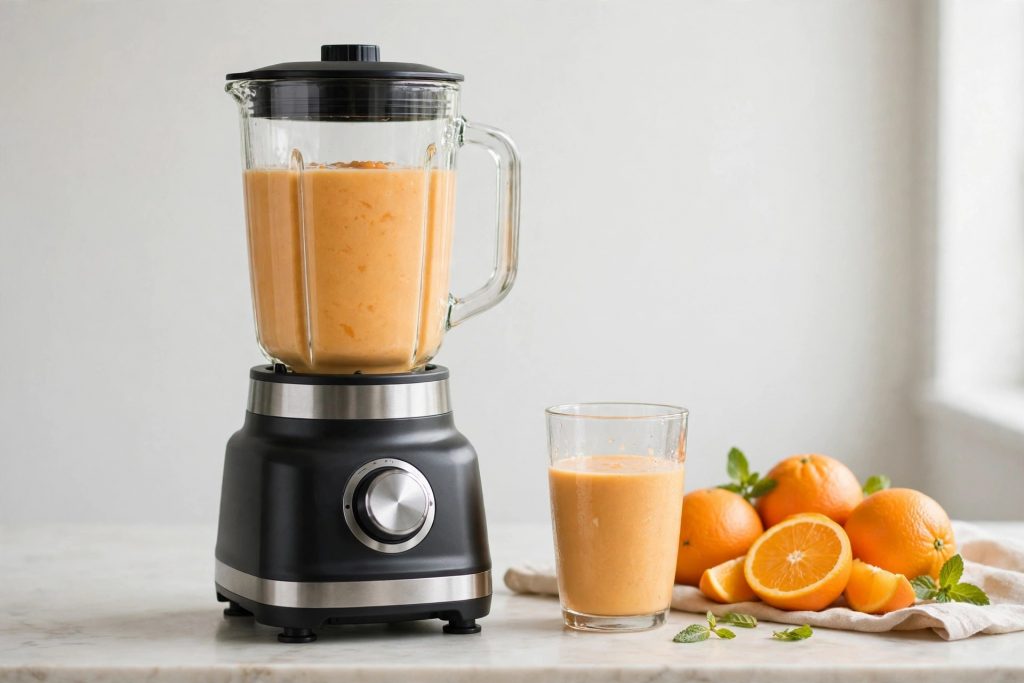
A blender for smooth blending turns plain fruit and vegetables into smooth blending that looks good and tastes good, and it does the job in a short time with very little effort. Many home cooks want smooth blends that is crisp on the outside and soft in the middle, yet plain methods often leave one side overdone while the other side stays pale. A good blender solves that problem by working on the fruit and vegetables evenly and by holding it steady while it cooks. The result is smooth blends with an even colour, a pleasing texture, and a fresh taste, which suits many meals through the day. This guide explains why smooth blending matters, how a blender works, what to look for when you buy one, how to use it well, and how to keep it clean and ready for the next time. A blender also keeps the kitchen tidy, since the work happens inside the tool instead of scattering across the bench, and the daily routine stays calm and quick. The jug suits fruit, vegetables, and ice, and the lid fits firmly so the mix stays inside while the blades spin.
Why Smooth Blending Matters
Smooth blending matters because the food on the table sets the tone for the meal, and food that looks and tastes good makes an ordinary day feel a little brighter. A home cook who can turn out smooth blends well every time gains confidence, and confident cooks try new recipes instead of sticking to the same few dishes. Good smooth blends also brings people together, since a warm meal shared at the table starts the day on a kind note. When the result is steady, there is less waste, since food that turns out well gets eaten instead of scraped into the bin. A blender that makes blending easy also saves time, and saved time in a busy morning is worth more than any fancy feature.
Children can help too, since a simple blender with clear controls lets young cooks join in without making a mess. Guests notice the difference as well, since smooth blends that looks neat and tastes fresh shows care in the kitchen. A cook who masters one simple tool often finds the courage to try the next, and the kitchen slowly becomes a place of pleasure rather than a chore. Even a small kitchen gains from a blender that does one job well, since a tool that earns its keep never feels like clutter. In the end, smooth blending is less about the tool and more about the habit, and a good habit starts with a tool that makes the work easy.
How a Blender for Smooth Blending Works
A blender works by spinning sharp blades at high speed inside a jug while the shape of the jug pulls the mix down toward the blades, so the fruit and vegetables turns into smooth blends with very little effort from the cook. The cook only needs to load the fruit and vegetables, choose a setting, and wait, since the blender holds the heat and the timing steady. Most models have a simple control, and the speed settings lets the cook match the heat or the speed to the food in front of them. The jug is shaped to suit the job, and a well shaped jug keeps the fruit and vegetables in place while the blender works. Once the cycle ends, the blender signals that the food is ready, and the cook can lift the smooth blends out without fuss.
A good blender spreads heat or motion evenly, so one side never cooks faster than the other. The build is simple on purpose, since fewer moving parts means less to go wrong over years of daily use. With a little practice, the cook learns which setting suits each kind of fruit and vegetables, and the results grow steadier each week. The blender also keeps the bench tidy, since the work happens inside the jug instead of scattering across the kitchen. When the parts fit well and the controls feel clear, the blender becomes a tool the cook reaches for without thinking.
Choosing the Right Blender for Your Kitchen
Choosing a blender starts with the size of your kitchen and the size of the meals you cook, since a tool that suits a large family may crowd a small bench. Measure the space where the blender will live, and pick a model that fits with room to spare for the lid or the cord. The material matters too, since sturdy build and smooth surfaces last longer and wipe clean with less effort. Look for a speed settings that moves smoothly and clicks firmly, since a loose control makes steady results hard to repeat. Check the jug closely, since a well made jug holds the fruit and vegetables steady and cleans up easily after use.
A blender with more than one setting suits cooks who like to try different recipes, while a simple model suits cooks who want one job done well. For cooks looking for everyday kitchen tools, Skyrocs offers a helpful starting point, and the pet supplies range covers daily items for homes that share their kitchen with a cat or a dog. Ask yourself how often you will use the blender, since daily use calls for a sturdier build than a tool that comes out once a month. A model that is easy to take apart earns its place, since parts that come apart clean faster and dry faster too. In the end, the right blender is the one that fits your bench, your cooking, and your habits, and not the one with the longest list of features.
Using Your Blender for Smooth Blending
Using a blender well starts with a clean bench and all the fruit and vegetables ready, since a calm start keeps the work smooth from the first minute. Load the fruit and vegetables into the jug with care, and leave a little space around it so heat or motion can reach every side. Choose a gentle setting for the first try, since a gentle start lets you learn how the blender behaves before you turn it up. Watch the first batch closely, and note which setting gave the best result, so the next batch starts from what you learned. Work in small batches when the jug is full, since a crowded jug cooks unevenly and spoils the finish.
Keep your hands clear of the hot parts while the blender works, since the outside can grow warm during the cycle. When the cycle ends, lift the smooth blends out at once, since food left inside keeps cooking and can dry out. Let the blender cool for a short while before you load the next batch, since a hot jug can scorch the next round. Wipe the bench as you go, so crumbs and splashes never build up into a chore at the end. With steady practice, each batch takes less thought, and the blender becomes part of a smooth daily routine.
Cleaning and Storing Your Blender for Smooth Blending
A blender earns its place when it is easy to clean, since food left inside will spoil the next batch.
Frequently Asked Questions
Is a blender for smooth blending needed for home cooking?
It is not needed, yet it makes blending far faster and easier, so cooks who blend often will find it worth the bench space, while cooks who blend rarely can manage without one. A blender also helps when cooking for guests, since a large batch takes far less time than working by hand.
How does a blender for smooth blending work?
You place fruit, vegetables, and a little liquid in the jug, fit the lid firmly, and choose a speed, and the blades spin fast enough to turn the mix smooth in a short time.
Can a blender for smooth blending handle frozen fruit?
Yes, it suits frozen fruit and ice as well as soft fruit, as long as you add enough liquid for the blades to move freely, so the mix turns smooth without stalling.
How do I clean a blender for smooth blending after use?
Rinse the jug under warm water at once, clear food from around the blades with a soft brush, use a little mild soap for sticky marks, and dry the jug fully before you store it.
What should I look for when buying a blender for smooth blending?
Look for a blender that matches your kitchen, with a sturdy build, simple controls, a speed settings that works smoothly, and a size that stores easily in your cupboard. A model that is easy to clean is a bonus, since it stays in daily use instead of gathering dust.