
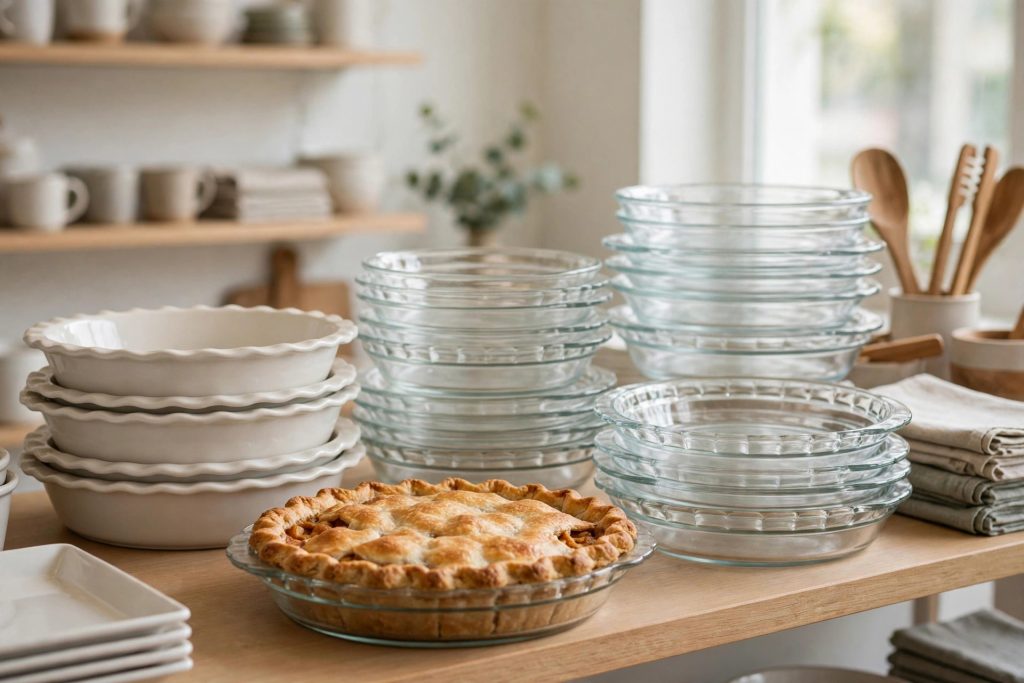
Shops use wholesale pie dishes suppliers to stock pie dishes that home cooks trust, and a range that sells well starts with stock that works well at home. Many kitchen shops face the same choice each season, which lines to carry and which to leave out, and a pie dishes line that is sturdy, easy to display, and easy to explain earns its shelf space. The right supplier also matters, since a supplier who delivers on time and keeps quality steady lets a shop plan with confidence. This guide explains why pie dishes sell well, what a good range covers, how to choose a supplier, how to price and order, and how to display stock so it sells.
Kitchen shops that serve home cooks need lines that turn over steadily, and pie dishes suit that need because they are used every day in homes that cook. A shop that stocks a focused range can explain each line to its customers, and customers who understand what they are buying come back for more. The sections that follow walk through each point in turn, with plain advice that suits a small shop as well as a larger one. By the end, you will know what makes a good pie dishes range and how to build one that sells.
Why Wholesale Pie Dishes Sell Well
Pie dishes sell well because they are everyday tools, and everyday tools are bought often by cooks who use them daily. A home that cooks most meals needs a pie dish that works, and when one wears out, the cook buys another, so demand stays steady through the year. Pie dishes also suit many buyers, since they fit small kitchens and large ones alike, and a shop can carry more than one size without taking up much shelf space. A line that serves a clear daily need is a line that sells without fuss.
When a tool is easy to use and easy to care for, customers recommend it to friends, and a shop that stocks it benefits from that quiet word of mouth. A pie dish that is made from ceramic and sturdy glass and built to last gives the buyer confidence, and a confident buyer is more likely to return for other kitchen tools. The best selling lines are often the simplest ones, and pie dishes are a good example of a simple line that earns steady sales. A shop that stocks a reliable pie dishes gives its customers a reason to return, since a tool that works well at home builds trust in the shop that sold it.
What a Good Wholesale Range Covers
A good wholesale range covers more than one size, since cooks have different kitchens and different needs, and a shop that offers a choice sells more. A range should also cover more than one style, so a buyer who wants a simple pie dish and a buyer who wants a sturdier one can both find what they need. The range should be easy to display, since stock that sits neatly on a shelf is easier to browse, and a shop that can show the full range at a glance helps the customer choose. A range that is focused and clear beats a wide range that confuses the buyer.
The range should also be built from ceramic and sturdy glass that suits daily kitchen use, since a pie dish that lasts brings the customer back, while one that fails fast does the opposite. A shop should look for stock that is easy to clean and easy to store, since those are the points a customer asks about most. When the range covers the sizes and styles that local cooks want, the shop can sell with confidence and reorder with a clear plan.
Choosing a Supplier You Can Trust
Choosing a supplier you can trust starts with quality, since a supplier who sends steady quality lets a shop sell with confidence. Ask for samples before you order, and check that each pie dish feels solid, keeps its shape, and is easy to clean, since those signs point to stock that will sell well. A good supplier also answers plainly when you ask about sizes, materials, and delivery times, and a supplier who is slow to answer will be slow to deliver. Trust is built on clear answers and steady quality, not on promises alone.
For shops looking for a reliable source, Skyrocs offers a helpful starting point, and the wholesale range covers stock for shops that serve home cooks. When you compare suppliers, look for one who delivers on time, packs stock well, and keeps the same quality from one order to the next. A supplier who does those things is worth keeping, since a steady supplier lets the shop focus on selling instead of chasing deliveries.
Pricing and Ordering for Your Shop
Pricing and ordering for your shop starts with knowing what your customers will pay, since a price that feels fair sells, while a price that feels high leaves stock on the shelf. Set a price that covers your costs and leaves room for the shop to earn, and keep it steady so customers learn to trust it. Order in amounts that match how fast the line sells, since a small first order lets you test demand, while a larger reorder follows once you know what sells. A shop that orders to match sales keeps its shelves full without tying up money in slow stock.
Keep track of which sizes and styles sell fastest, and reorder those first, since the lines that move are the ones that earn. A shop that watches its sales can spot a slow line early and move it with a better display or a clearer sign. Talk to your supplier about delivery times before you order, so stock arrives when you need it, and keep a small buffer of the best sellers so the shelf is never empty on a busy day.
Displaying Wholesale Pie Dishes to Sell More
Displaying pie dishes to sell more starts with placing them where shoppers can see and touch them, since a tool that can be held is easier to buy than one that sits behind glass. Put the range near the kitchen tools that shoppers already browse, and keep the shelves tidy so each size is easy to find. A clear sign that says what the tool does helps a shopper who is in a hurry, and a neat display makes the whole shop look inviting. Stock that is easy to reach sells more than stock that is hard to find.
Keep the display full, since a shelf that looks empty makes shoppers think the line is unpopular, while a full shelf invites a closer look. Put a sample out where shoppers can pick it up, and keep the best sellers at eye level where they are seen first. A shop that changes its display now and then keeps the range looking fresh, and a fresh display gives regular customers a reason to stop and look again.
Frequently Asked Questions
How do wholesale pie dishes suppliers help a kitchen shop?
They help a shop by supplying pie dishes that home cooks trust, so the shop can stock a steady line that sells through the year. A supplier who delivers on time and keeps quality steady also lets the shop plan reorders with confidence.
What should wholesale pie dishes suppliers offer in a range?
A good range should cover more than one size and style, so different buyers can find a pie dishes line that suits them. The stock should be made from ceramic and sturdy glass that suits daily use, and it should be easy to display, easy to clean, and easy to explain to a customer.
How do I choose among wholesale pie dishes suppliers?
Ask for samples, check that each pie dishes line feels solid and keeps its shape, and look for a supplier who answers plainly about sizes, materials, and delivery times. A supplier who delivers on time and keeps quality steady from one order to the next is worth keeping.
What should a shop order first from wholesale pie dishes suppliers?
A shop should order a small first amount that covers the most popular sizes, since a small order lets you test demand without tying up money. Once you know which sizes sell fastest, reorder those first and keep a small buffer of the best sellers.
Where should a shop display stock from wholesale pie dishes suppliers?
Display the stock where shoppers can see and touch it, near the kitchen tools they already browse, with the best sellers at eye level. A tidy display with a clear sign helps shoppers choose, and a full shelf invites a closer look.