
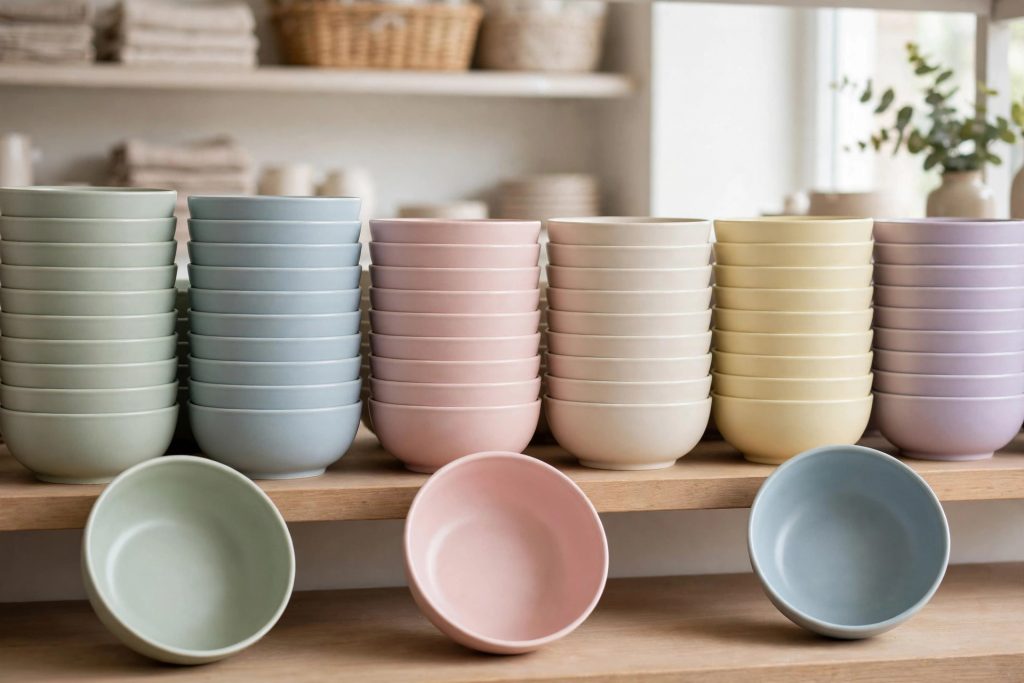
Wholesale cereal bowls suppliers help kitchen shops stock a tool that every family uses, since a cereal bowl is part of the morning routine in most homes. Many families eat cereal each day, yet few own a bowl that truly suits it, because the bowls in the cupboard are too shallow or too small for cereal and milk. A bowl that holds a generous serving with room for milk takes that worry away, and a breakfast served in the right bowl feels calm and tidy. For a shop, that mix of daily use and clear need makes the bowl a steady seller, since buyers can see at once how it works and how it helps the morning. This guide explains why cereal bowls sell well, what a good wholesale range covers, how to choose a supplier you can trust, how to price and order for your shop, and how to display the range so buyers stop and look. A shop that shows the bowl in a breakfast setting helps buyers trust the tool at once, since the deep bowl is clear to see.
Why Wholesale Cereal Bowls Sell Well
Cereal Bowls sell well because they solve a problem that many home cooks know, and the fix is easy to show in the shop. A buyer who has struggled with the wrong size or a flimsy tool will pick up a sturdy one, test it in the hand, and see the quality at once, and that simple test often closes the sale. The cereal bowl suits a wide range of buyers, from families who cook together to hosts who want a tidy table, and it works across many meals, so one tool covers many uses. Shops like stock that moves across seasons rather than spiking once and fading, and this tool is used all year, from winter gatherings to summer meals.
The tool is also a gift friendly item, since it suits a cook who loves trying new dishes, and a shop that stocks it in a few sizes gives buyers a reason to pick the one that fits their kitchen. The tool also suits buyers who shop for a family, since a well made tool at home costs less over time than replacing a cheap one again and again. A shop that shows the tool in use helps buyers trust it at once, since the neat result is clear to see.
What a Good Wholesale Range Covers
A good wholesale range covers the sizes and styles that real kitchens need, rather than a single model repeated in one colour. Small cereal bowls suit light use and small servings, medium ones suit everyday meals, and large ones suit generous servings, so a range that spans small, medium, and large covers most home cooking. Material matters too, since thick ceramic, sturdy stoneware, or strong steel lasts longer than thin material that chips or dents under daily use. Some cereal bowls have a plain finish, while others carry a soft colour or a simple pattern, and a range that offers both gives buyers a clear choice.
Colour also plays a part, since a bright tool is easy to spot in a cupboard, while a plain tool suits a quiet kitchen. A supplier that offers a mix of sizes, colours, and finishes lets a shop build a shelf that looks full and useful, and buyers trust a shelf that shows thought rather than a single item on its own. Some cereal bowls add a wide rim for easy handling, while others keep a narrow rim for a small table, and both suit different buyers.
Choosing a Supplier you can Trust
Choosing a supplier you can trust starts with the quality of the sample, since the tool you hold in your hand tells you more than any catalogue page. Ask for a sample before you order, hold it, test it, and check that it feels steady and well finished, with no rough edges or thin spots. A good supplier answers questions clearly, gives honest lead times, and packs stock well so tools arrive clean and undamaged. Look for a supplier that keeps steady stock of the sizes you sell most, since a shop that runs out of a popular size loses sales to the shop next door.
Clear terms matter too, so check the minimum order, the delivery time, and the way damaged stock is handled before you place a large order. For shops building a kitchen range, Skyrocs offers a helpful starting point, and the wholesale range covers stock for shops that want a steady supply. A supplier that grows with your shop is worth more than a cheap price from a seller who disappears after one order. A supplier that offers more than one size lets a shop serve cooks who buy for parties as well as for family meals.
Pricing and Ordering for Your Shop
Pricing and ordering for your shop starts with knowing what your buyers expect to pay for a handy kitchen tool, since a sharp price can put buyers off as fast as a high one. Set a price that leaves a fair margin after delivery and packing, and keep the price steady across the range so buyers can compare sizes without confusion. Order in small batches at first, so you can learn which sizes move fastest and which colours buyers reach for, and then order more of the winners. A tool that packs well keeps delivery costs low, and that lets you order more often in smaller batches without eating into your margin.
Watch the seasons too, since holiday cooking and family gatherings lift demand, and a little extra stock before those peaks avoids empty shelves. Keep a simple record of what sells each week, and use it to guide the next order, since a shop that orders by evidence rather than guesswork wastes less money and keeps the shelf full of the tools buyers actually want. Keep an eye on which sizes sell out first, since the fastest seller tells you what to order more of next time.
Displaying Wholesale Cereal Bowls to Sell More
Displaying cereal bowls to sell more is mostly about letting buyers hold the tool, since the weight and the finish are the features that sell it. Keep one tool open on the shelf so buyers can see the shape, and place a matching set beside it so the result is clear at a glance. Put the display near the cookware aisle, or beside the foods the tool serves, so buyers connect the tool with the meal it makes. A short note on the shelf that says the tool is sturdy and easy to clean helps buyers who are in a hurry, and a small basket of tools at the till catches buyers who want a useful extra.
Keep the shelf tidy and full, since a half empty shelf looks like a shop that has given up on the range, while a full shelf invites buyers to browse. Change the display now and then, so regular buyers notice the range again, and pair the tool with a matching item now and then, since a buyer who sees the whole set can picture it in their own kitchen. A tool displayed beside its matching set helps buyers see the whole job, from shelf to table.
Frequently Asked Questions
How do wholesale cereal bowls suppliers help a kitchen shop?
They give a shop steady access to bowls in several sizes and styles, so the shelf stays full and buyers can find the bowl they need. A good supplier also keeps stock ready, so a shop can reorder fast when a size sells out.
What should wholesale cereal bowls suppliers offer in a range?
A good range covers small, medium, and large bowls, thick ceramic and stoneware, plain and coloured finishes, and a mix of sets and single bowls, so a shop can serve many families and many kinds of breakfast. A range with matching sets gives buyers a reason to spend a little more.
How do I choose among wholesale cereal bowls suppliers?
Ask for a sample first, hold it in the hand, check that it feels balanced and well finished, and look for clear terms, honest lead times, and steady stock of the sizes your buyers want most.
What should a shop order first from wholesale cereal bowls suppliers?
Start with a small batch across small, medium, and large sizes in a few colours, learn which sizes move fastest, and then order more of the winners, so the shelf reflects what buyers actually buy.
Where should a shop display stock from wholesale cereal bowls suppliers?
Keep a bowl open on the shelf near the breakfast foods, place a box of cereal beside it, and add a small basket at the till for buyers who want a useful extra.