
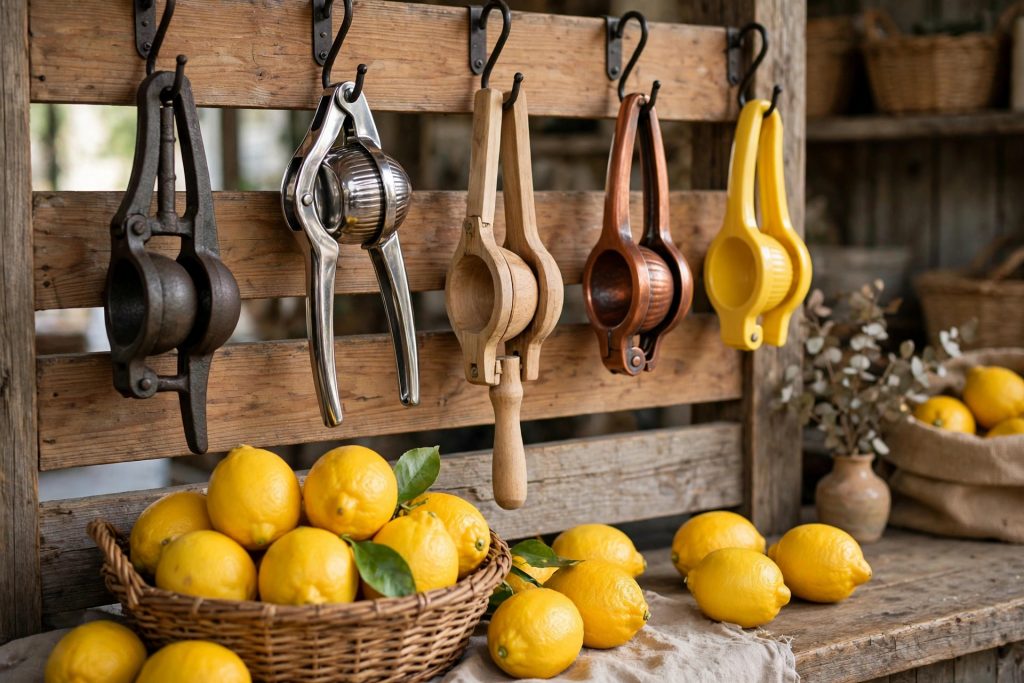
Wholesale lemon squeezers suppliers give shops a steady source of a small kitchen tool that home cooks reach for every week, since lemons flavour salads, drinks, baking, and marinades, and squeezing them by hand is messy and wasteful. A shop that stocks a good squeezer gives its customers a simple way to get fresh juice at home, and that kind of useful low cost item earns repeat visits and steady sales through the year. This guide explains why squeezers sell well, what a good wholesale range covers, how to choose a supplier you can trust, how to price and order for your shop, and how to display squeezers so they sell more.
Why Lemon Squeezers Sell Well
Lemon squeezers sell well because they solve a problem that every cook meets, and they do it at a price that most buyers accept without a second thought. Lemons appear in dressings, drinks, cakes, fish dishes, and teas, so the need to squeeze them never goes away, and a cook who has wrestled with a lemon by hand knows at once what a good press is worth. The tool is small, light, and easy to carry home, so a shopper who came in for something else will often add a squeezer to the basket on impulse. A shop that carries a few styles at different price points can serve a first time buyer looking for a basic tool and a keen cook looking for a sturdy lever press, and both leave with something that fits their kitchen. For a small shop, a squeezer is a safe line to carry, since it takes little shelf space, rarely goes out of style, and appeals to a wide range of buyers, from students setting up a first kitchen to cooks who have squeezed lemons for years.
What a Good Wholesale Range Covers
A good wholesale range covers the styles that real cooks reach for, so a shop can offer choice without carrying a shelf full of near identical tools. A hand press with two cups suits buyers who want a quick squeeze over a glass, while a lever press suits buyers who want extra force with less effort from their hands. A cone squeezer on a jug suits buyers who press a few lemons at a time and want the juice caught in one place, while a small handheld squeezer suits buyers who need juice for a single dressing. Stainless steel models suit shops that want a durable line that washes well, while sturdy plastic models suit buyers who want a light tool that is easy to handle. Look for cups with holes that catch pips yet let juice flow freely, since buyers notice that detail and value a tool that gives smooth juice. The best ranges balance a trusted basic squeezer that sells every week with one or two stronger models for keen cooks, so the shelf looks full but every line earns its place. Packaging matters too, since a clear pack that shows the cup and the handles lets a buyer judge the tool without opening it, and that speeds up the sale.
Choosing a Supplier You Can Trust
Choosing a supplier you can trust starts with the quality of the goods, since a squeezer that bends under pressure or lets seeds through will bring complaints back to your shop. Ask for a sample before you place a large order, and test the press on real lemons, checking that it yields plenty of juice and that the handles stay firm in your hand. A good supplier answers questions clearly, gives honest lead times, and tells you at once if a line is out of stock, rather than leaving you to find out when the delivery is late. Look for a supplier who keeps the same lines in stock over time, since a shop that has to change its range every few weeks confuses buyers and loses repeat sales. Clear terms matter too, since you need to know the minimum order, the payment terms, and what happens if goods arrive damaged. A supplier with a fair returns policy shows that it stands behind its goods, and that gives you confidence to recommend the line to your customers. For shops looking for a reliable source, Skyrocs offers a helpful starting point, and the wholesale range covers kitchen tools that shops can stock with confidence. Trust grows from small orders kept well, so start with a modest order and build up as the supplier proves itself.
Pricing and Ordering for Your Shop
Pricing and ordering for your shop starts with knowing your costs, since a squeezer only earns its shelf space if the margin covers the work of stocking and selling it. Work out the landed cost of each squeezer, including the unit price, the delivery charge, and any packing cost, and set a shelf price that leaves a fair margin while staying in line with what local buyers expect to pay for a small kitchen tool. A basic squeezer can sit at a low price that invites impulse buys, while a sturdy lever press can carry a higher price for buyers who want a tool that lasts. Order in line with how fast the line moves, since a small shop does not need a huge stock of one style, and a steady flow of modest orders keeps cash free for other lines. Warm weather calls for a larger order ahead of time, since summer drinks and salads lift demand for fresh juice, and a shop that runs out during a busy week loses sales it cannot win back. A good supplier will help you plan the order, suggesting a mix that suits your shop size and your customers, and that guidance is worth more than a low price on a line that does not sell.
Displaying Lemon Squeezers to Sell More
Displaying lemon squeezers to sell more starts with putting them where buyers can see and touch them, since a small tool hidden at the back of a shelf rarely sells itself. Place squeezers near the citrus fruit, near the juicers, or near the till, where a shopper who is already thinking about fresh food will spot them. Hang them on hooks so the cup and the handles are visible, since a buyer wants to hold the handles and feel the weight before deciding. Group styles together by type, with the basic model at the front and the sturdier press beside it, so a buyer can compare them at a glance. A small sign that says what the squeezer does, in plain words, helps a first time buyer understand the tool without asking staff. Keep the display tidy and full, since a gap on the hook tells buyers that the line is running low, while a full display invites them to pick one up. Pair squeezers with other citrus tools, such as zesters or jugs, so a shopper buying for a meal sees the whole set and adds more to the basket. A well placed squeezer sells itself, and a shop that keeps the display fresh will see steady sales from a small line.
Frequently Asked Questions
What do wholesale lemon squeezers suppliers offer shops?
Wholesale lemon squeezers suppliers offer shops a steady source of squeezers in a range of styles, with bulk pricing, clear ordering terms, and stock that keeps the shelf full, so a shop can serve everyday cooks and keen buyers alike.
Why do wholesale lemon squeezers suppliers matter for a small shop?
Wholesale lemon squeezers suppliers matter because they give a small shop access to a useful low cost line that sells through the year, with a fair margin, little shelf space, and repeat buyers who return when a press wears out.
How do I choose among wholesale lemon squeezers suppliers?
Test a sample for a firm press and smooth juice flow, check that the supplier answers clearly and delivers on time, look for fair terms and a clear returns policy, and start with a modest order to see how the supplier treats your shop.
What should a shop stock from wholesale lemon squeezers suppliers?
A shop should stock a trusted basic squeezer that sells every week, plus a lever press and a cone squeezer for keen cooks, with cups that catch pips yet let juice flow, so the shelf offers choice without tying up cash in slow lines.
How do wholesale lemon squeezers suppliers help with pricing and ordering?
Wholesale lemon squeezers suppliers help by giving clear unit prices and lead times, so a shop can work out its landed cost, set a fair shelf price, order in line with sales, and build stock ahead of warm weather peaks.