
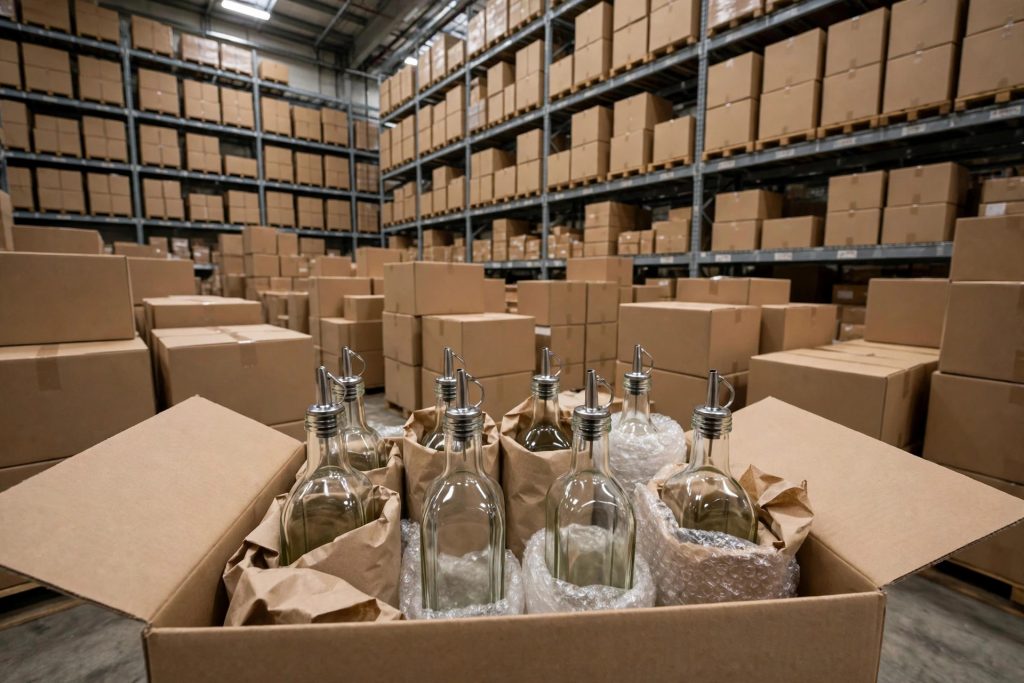
Wholesale olive oil dispensers suppliers give a shop a steady line of small kitchen tools that sell through the year, since every home cook needs a way to pour oil cleanly and every gift buyer loves a pretty bottle for the kitchen. Dispensers suit shops of many kinds, from kitchenware stores and gift shops to homeware stalls and online sellers, and they sell well beside olive oil, bread, salads, and cookbooks. A good range covers glass and steel, small and large, plain and gift boxed, so every customer finds a bottle that suits their kitchen and their budget. Shops that stock dispensers well find that the line brings repeat buyers, since a cook who likes one dispenser often comes back for a second as a gift.
The line also works well for resellers because dispensers are light, sturdy, and easy to ship, and they take little shelf space for the margin they earn. Dispensers also suit bundles, since a bottle paired with a small bowl or a bread board makes a ready gift that sells at a higher price than the bottle alone.
Why Olive Oil Dispensers Sell Well for Shops
Olive oil dispensers sell well because they solve a small daily annoyance that every cook knows, and buyers can see the benefit the moment they pick one up. A large bottle glugs and drips, while a dispenser pours a thin, steady stream with no mess, so the tool sells itself when a customer handles it in the shop. Dispensers also suit gift buyers, since a glass bottle with a steel spout looks far more costly than it is, and it fits the gift market for housewarmings, weddings, and festive hampers. That gift demand lifts sales at times of year when ordinary kitchen tools slow down.
The line also benefits from repeat trade, since cooks who buy one dispenser often return for another in a different size or style. Dispensers pair well with other lines too, since they sit naturally beside olive oil, vinegar, salad bowls, and bread boards, which lifts the average basket. A shop that places dispensers near those lines will see them move steadily, and the range needs little floor space for the return it brings.
What to Look for in a Wholesale Olive Oil Dispenser Range
A good wholesale olive oil dispenser range starts with the materials, since buyers judge a dispenser by how it looks and feels in the hand. Glass bodies with steel spouts suit the gift market and the mid price shelf, since they look clean and pour well, while stainless steel bodies suit cooks who want a sturdy bottle that blocks light and takes a knock. A range should cover both, with plain glass for the value shelf and tinted glass or brushed steel for the higher shelf. A mix of sizes matters too, since a small dispenser suits a single cook and a larger one suits a family kitchen, and shops that carry both serve more customers from the same range.
The spout decides how well the dispenser pours, so a range should offer spouts that fit the way cooks use them. A narrow spout with a small opening suits dressings and finishing touches, while a wider spout suits cooks who oil large trays and pans. Spouts with caps or flaps keep dust out between uses, and spouts that lift off for cleaning suit buyers who care about upkeep. For shops building a kitchen range that sells through the year, Skyrocs offers a helpful starting point, and the wholesale page sets out the terms for stocking shops and resellers.
Packaging and finish round out the range, since a dispenser is often bought as a gift. Gift boxes with a plain, clean look suit the present market, while simple shelf packaging suits the value buyer. A range with a few gift boxed pairs and a few plain singles covers both buyers without doubling the stock.
How to Vet Wholesale Olive Oil Dispensers Suppliers
Vetting a supplier starts with a sample order, since a sample shows the true quality of the glass, the spout, and the finish. Order a small set across the range, fill each dispenser with oil, and pour from it for a week to see whether it drips, glugs, or leaks. Check the glass for bubbles and thin spots, the steel for sharp edges, and the spout for a snug fit. A supplier whose samples pour cleanly and feel solid in the hand is worth a larger order, while a supplier whose samples drip or wobble should be dropped before any money moves.
Ask the supplier how the dispensers are packed for shipping, since glass breaks easily when it is packed badly. A good supplier packs each bottle in its own sleeve or box, with padding between bottles and a sturdy outer carton. Ask about breakage rates on past orders and about who pays when a bottle arrives broken. A supplier who answers plainly and shares real numbers is usually a safe partner, while a supplier who dodges the question is a warning sign.
Pricing, Minimum Orders, and Terms That Protect Margin
Pricing starts with the landed cost, so add the unit price, the shipping cost, and any import fees before you set a shelf price. A dispenser that looks cheap at the unit price can cost far more once fragile packing and breakage are counted, so ask the supplier for the full cost per unit delivered to your door. Set the shelf price from that landed cost, with room for a fair margin and for the odd breakage, and check the price against what other shops charge for a similar bottle.
Minimum orders shape the first buy, so start with a size that covers the range without tying up cash in slow stock. A sensible first order covers a few styles in a few sizes, with enough units of each to fill a shelf and take reorders. Ask the supplier whether the minimum is per style or per order, since a per style minimum can force a large buy of one slow line. Agree payment terms before you pay, with a deposit on order and the balance on shipment, and get the terms in writing.
Common Sourcing Mistakes and How to Avoid Them
The most common mistake is ordering on price alone, which brings thin glass, loose spouts, and bottles that drip from the first pour. Fix this by testing samples before any large order, and by judging the dispenser on how it pours and feels rather than on the unit price. Another common mistake is ordering one size only, which leaves half the customers unserved. Stock small and large, plain and gift boxed, so every buyer finds a fit, and watch which size moves fastest before you reorder.
A third mistake is skipping the packing check, which leads to broken bottles and lost margin. Ask how the supplier packs glass, order a trial carton, and count the breakage before you scale up. A range that is tested, well packed, and stocked ahead of demand will sell steadily and bring few complaints.
Frequently Asked Questions
What is a sensible first order size for olive oil dispensers?
Start with enough units to fill a shelf across a few styles and sizes, with a little extra of the size that suits most kitchens.
Should I stock glass, steel, and tinted dispensers?
Yes, a mix serves more buyers, since glass suits the gift shelf, steel suits cooks who want a sturdy bottle, and tinted glass suits buyers who care about keeping oil fresh.
How do I test an olive oil dispenser sample before ordering?
Fill the sample with oil and pour from it for a week, checking for drips, glugs, and leaks. Look at the glass for bubbles and thin spots, feel the steel for sharp edges, and check that the spout fits snugly and lifts off for cleaning. A sample that pours cleanly is worth ordering in bulk.
What terms should I agree with a supplier before I pay?
Agree the unit price, the packing standard, the lead time, and who pays for breakage in transit, then get it in writing. Pay a deposit on order and the balance on shipment, and confirm the minimum order per style so a slow line cannot force a large buy.
How can I tell a good wholesale supplier from a risky one?
A good supplier sends clean samples, packs glass well, answers plainly about breakage and lead times, and ships on time. A risky supplier dodges questions, sends poor samples, or pushes a large first order before you have tested the goods.