
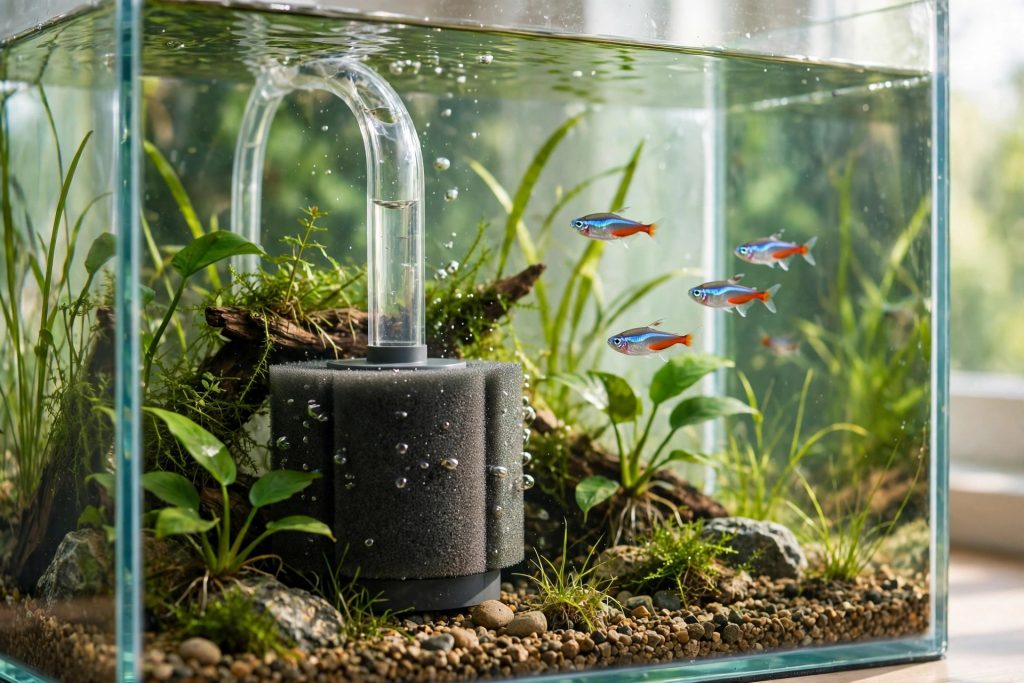
A fish tank filter for clean water traps waste and keeps water clear so fish stay healthy, since it moves the water through media that catches dirt and gives helpful bacteria a place to live. Many tanks turn cloudy without a filter, and cloudy water stresses fish and hides them from view, so a good filter is the heart of a healthy tank. A filter that suits the tank size keeps the water clear with little fuss, and the owner can enjoy watching bright fish instead of fighting murky water. The right filter also runs quietly, so the tank stays a calm feature in the room rather than a noisy box. This guide explains why clean water matters, how a fish tank filter works, what to look for when you buy one, how to use it well, and how to keep it clean and ready for healthy fish. A filter chosen with care keeps water crystal clear and gives fish a clean home to thrive in.
Why Clean Water Matters
Clean water matters because fish live in their water, and water that is full of waste harms them in ways that are easy to miss until a fish falls ill. A fish that swims in cloudy water breathes harder, eats less, and hides more, while a fish in clear water is active, bright, and fun to watch. Clean water also shows off the tank, since clear glass and bright fish make a room feel calm and alive, while murky water makes the whole tank look neglected. A tank with clean water is easier to care for, since the owner can see the fish, spot a problem early, and enjoy the hobby without constant worry. Fishkeeping teaches patience and care, and a tank that stays clear keeps a new owner keen rather than put off by cloudy water and sick fish. Clean water also helps plants grow, since light reaches the leaves and the plants can use the nutrients in the water. A tank that stays clean costs less over time, since healthy fish need fewer fixes and the owner spends less on replacing fish that did not thrive. When the water is clean, the fish are happy, and a simple filter earns its place in the tank.
How a Fish Tank Filter for Clean Water Works
A fish tank filter for clean water works by drawing water in, passing it through media that traps dirt, and returning clean water to the tank in a steady flow. The media catches solid waste such as uneaten food and fish droppings, while helpful bacteria that live on the media break down waste that you cannot see. The flow also moves oxygen through the water, which fish need to breathe well, and it keeps the water from going still and stale. Most filters use a sponge or pad for trapping dirt and a porous media for bacteria, and both parts work together to keep the water clear. Some filters hang on the back of the tank, while others sit inside the tank or below it in a cabinet, and each style suits a different tank and room. The filter runs day and night, since the bacteria need a steady flow to stay alive and keep working. A filter that suits the tank size moves enough water without pushing small fish around, and a gentle flow suits calm fish while a stronger flow suits active fish. Once the filter is running and the bacteria have settled, the water stays clear with little fuss.
Choosing the Right Fish Tank Filter for Clean Water for Your Pet
Choosing a fish tank filter starts with the size of your tank, since a filter must move enough water for the tank it serves, and a filter that is too small will leave the water cloudy. Look for a filter that suits your tank size and your fish, since small and calm fish need a gentle flow while larger and active fish cope with a stronger one. The media should be easy to reach and rinse, since a filter that is hard to clean will be cleaned less often and will work less well. A quiet motor matters, since a filter that hums loudly will spoil the calm of the room, so check how the model sounds before you buy. A filter with room for more than one type of media gives you choice, since you can use a sponge for dirt and a porous media for bacteria together. Check that spare pads and media are easy to find, since a filter that needs parts you cannot buy is a poor choice. A filter that fits your tank neatly and hides its pipes well keeps the tank looking tidy. For pet owners looking for everyday pet care items, Skyrocs offers a helpful starting point, and the pet supplies range covers daily items for homes that share their life with a cat or a dog.
Using Your Fish Tank Filter for Clean Water
Using a fish tank filter well starts with fitting it before the fish arrive, since the filter needs time to build up the helpful bacteria that keep the water safe. Place the filter where the maker directs, fill the tank, and run the filter until the water is clear and steady. Add fish a few at a time, since a tank that fills slowly gives the filter time to cope with the waste from each new fish. Keep the filter running day and night, since switching it off starves the bacteria and lets waste build up in the water. Watch the flow each day, since a flow that slows down may mean the sponge is clogged and needs a rinse. Feed a small amount once or twice a day, and scoop out food left uneaten, since extra food clogs the filter and clouds the water. Keep the water level topped up, since a filter that sucks air makes a noise and works poorly. With a little patience, the filter settles into a calm routine, and the water stays clear with little fuss.
Cleaning and Storing Your Fish Tank Filter for Clean Water
A fish tank filter earns its place when it is easy to clean, since a clogged filter cannot keep the water clear and the fish suffer. Rinse the sponge and pads in old tank water each time you change the water, since tap water can harm the helpful bacteria that live on the media. Never wash all the media at once, since keeping some bacteria alive helps the filter recover quickly after a clean. Wipe the impeller and the intake with a soft brush, since dirt on the moving parts slows the flow and makes the motor work harder. Check the seals and pipes now and then for wear, since a worn seal can leak and a cracked pipe can slow the flow. Store spare pads and media nearby, so a clean takes minutes rather than an hour of hunting for parts. A filter that is cleaned a little and often stays quiet and strong, and a routine that is simple is one an owner will keep. A clean filter keeps water crystal clear, and the work feels light when it is done regularly.
Frequently Asked Questions
Is a fish tank filter for clean water needed for a healthy tank?
It is worth having, since a filter traps waste, moves oxygen through the water, and gives helpful bacteria a home, which keeps water clear and fish healthy with far less work.
How does a fish tank filter for clean water work?
It draws water in, passes it through media that traps dirt, lets helpful bacteria break down waste, and returns clean water to the tank in a steady flow day and night.
Can a fish tank filter for clean water suit small and large tanks?
Yes, it can suit both, as long as you pick a filter that matches your tank size, with a gentle flow for calm fish and a stronger flow for larger and more active fish.
How do I clean a fish tank filter for clean water after use?
Rinse the sponge and pads in old tank water, wipe the intake with a soft brush, never wash all the media at once, and check seals and pipes for wear.
What should I look for when buying a fish tank filter for clean water?
Look for a filter that suits your tank size, a gentle or strong flow to match your fish, easy to reach media, a quiet motor, and spare pads that are easy to find.