
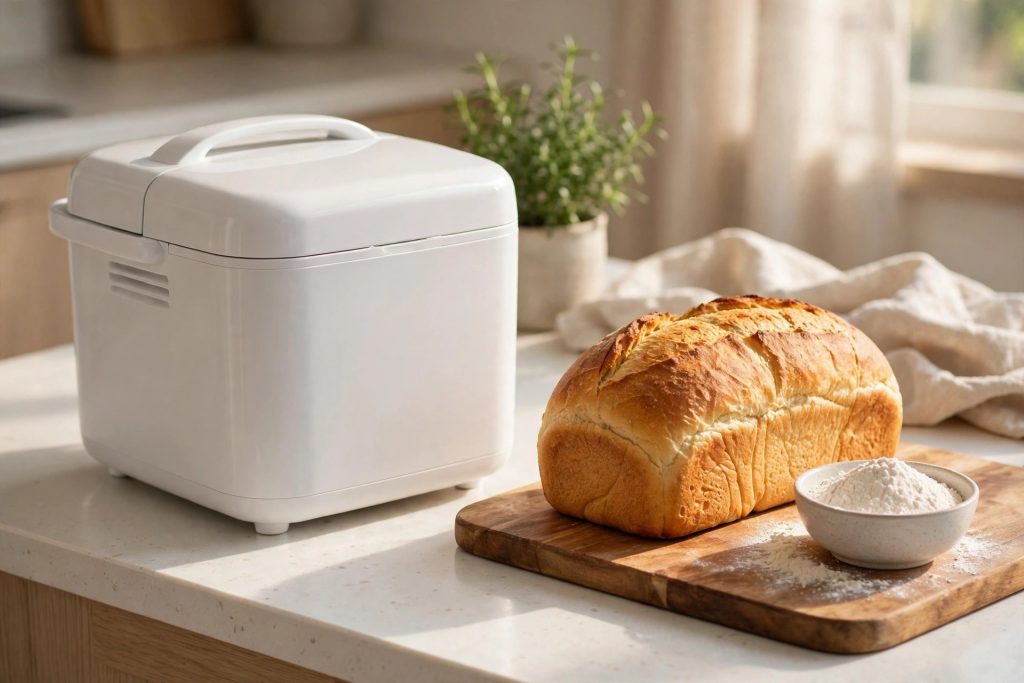
A bread maker for fresh bread makes a small daily job far easier, and a kitchen that runs smoothly often depends on simple tools like this one. Many cooks know the feeling of fresh bread that turns out poorly when the tool is wrong, and the right tool turns that job into a quick easy step. This guide explains why fresh bread matters, how a bread maker for fresh bread works, what to look for when you buy one, how to use it well, and how to clean and store it so it stays ready. A bread maker for fresh bread suits a small flat and a large family kitchen alike, since it does one job well without taking up much space.
A bread maker earns its place by saving time and effort at each meal, and this guide keeps the advice plain and practical, so a first time buyer can choose with confidence and a keen cook can get more from a tool that is already in the kitchen. The advice here covers the whole journey, from the first look at the shops to the daily habit of using the tool well, and every tip aims at one goal, which is fresh bread that turns out well again and again.
Why Fresh Bread Matters
Fresh bread matters because small daily jobs shape how a kitchen feels, and a tool that makes one job easier makes the whole room run better. A cook who can finish a job quickly keeps the kitchen safe and tidy without stopping to fetch extra tools. A bread maker helps here because it turns a slow chore into a quick step, so fresh bread is ready with little fuss.
When a job feels quick and easy, it gets done more often, and a simple tool helps a home stay fresh with little effort. A bread maker also suits busy days, since a cook who is short on time still wants a neat result. A tool that is always at hand means jobs are done at once, before they grow into larger chores.
A bread maker that is well made lasts a long time, so one good buy can serve a home through many meals. Choosing well at the start saves the cost and waste of replacing a poor tool again and again.
How a Bread Maker for Fresh Bread Works
A bread maker works through a simple design that puts control in the hands of the cook. The shape and the materials do most of the work, so the cook needs little force and little practice to get a good result. Heat and timing do the heavy lifting, and a steady setting keeps each batch even from start to finish.
The cook adds the ingredients, sets the controls, and lets the tool carry the job through to the end. A clear lid or a simple dial shows what is happening, so the cook can check progress without stopping the job. Even heat matters most, since hot spots can spoil a batch that started well.
A good bread maker spreads heat evenly, so the middle cooks at the same pace as the edges. When the job ends, the tool signals that it is done, and the cook can serve fresh bread while it is still at its best.
Choosing the Right Bread Maker for Your Kitchen
Choosing the right bread maker starts with the size of the household and how often the tool will be used. A small household suits a compact model, while a large family needs a bigger capacity that handles full batches. Look for a build that feels solid in the hand, since a flimsy tool wears out fast under daily use.
Simple controls beat a crowd of buttons, because a tool that is easy to learn gets used every day. Check that the parts that touch food are easy to clean, since a tool that is hard to wash soon stays in the cupboard. A clear guide in the box helps a first time buyer, and a recipe book gives a good place to start. A buyer who wants a clear range to compare can start at Skyrocs, where kitchen tools sit in one place for easy browsing.
Measure the bench before you buy, so the tool fits the space where it will be used most. Think about storage as well, since a tool that folds away or stacks neatly suits a small kitchen.
Using Your Bread Maker for Fresh Bread
Using a bread maker well starts with reading the guide that comes in the box, since each model has its own small habits. Set the tool on a flat steady bench with space around it, so heat and steam can escape safely. Measure the ingredients with care, since even a small change can alter the result.
Add the ingredients in the order the guide suggests, and do not rush the start of the job. Choose the setting that suits the recipe, and give the tool time to reach the right heat before you begin. Check progress through the lid or the window when the model has one, and avoid opening it more than needed.
When the tool signals that the job is done, take the food out at once so it keeps its fresh texture. Let the tool cool before you clean it, and wipe the bench so the next job starts from a tidy place.
Cleaning and Storing Your Bread Maker for Fresh Bread
Cleaning a bread maker after each use keeps it ready for the next meal and stops flavours from carrying over. Let the tool cool fully, then wipe the outside with a soft damp cloth and dry it well. Wash the parts that touch food in warm soapy water, and rinse them clean before they dry.
Avoid harsh pads that can scratch the surface, since scratches trap food and wear the finish. Dry every part before you put the tool away, since damp storage can dull the surface over time. Store the tool in a dry cupboard with the cord tucked away, so it stays neat and safe. Homes that share their kitchen with a cat or a dog often keep the bench clear, and the pet supplies range sits beside kitchen tools in the same home store for those households.
Check the cord and the plug now and then, and keep the tool away from the edge of the bench. A little care after each use adds up, and a well kept bread maker serves a home for many seasons.
Frequently Asked Questions
Is a bread maker for fresh bread needed for home cooking?
A bread maker for fresh bread is not needed in every kitchen, yet it earns its place fast in a home that enjoys fresh bread often. A cook who makes fresh bread each week saves time and effort with a tool that handles the job well. A home that rarely cooks may manage without one, while a keen cook will use it again and again.
How does a bread maker for fresh bread work?
A bread maker for fresh bread works by holding the ingredients at a steady heat and timing the job from start to finish. The cook adds the ingredients and sets the controls, and the tool carries the work through. A steady heat and a clear signal at the end keep each batch even and ready to serve.
Can a bread maker for fresh bread handle different loaf styles?
A bread maker for fresh bread can handle many loaf styles, from a plain white loaf to a wholemeal loaf with seeds. The cook changes the ingredients and the setting to suit the recipe, and the tool keeps the timing steady. A little practice shows which styles suit the household best.
How do I clean a bread maker for fresh bread after use?
Let a bread maker for fresh bread cool fully, then wipe the outside with a soft damp cloth and wash the parts that touch food in warm soapy water. Rinse each part well and dry it fully before you put the tool away. A clean dry tool stays ready, and the next batch starts from a fresh clean place.
What should I look for when buying a bread maker for fresh bread?
Look for a bread maker for fresh bread that fits the household, feels solid in the hand, and has simple controls that are easy to learn. Check that the parts that touch food are easy to clean and that the size suits the bench. A tool that fits the kitchen and the routine is the one that gets used every day.