
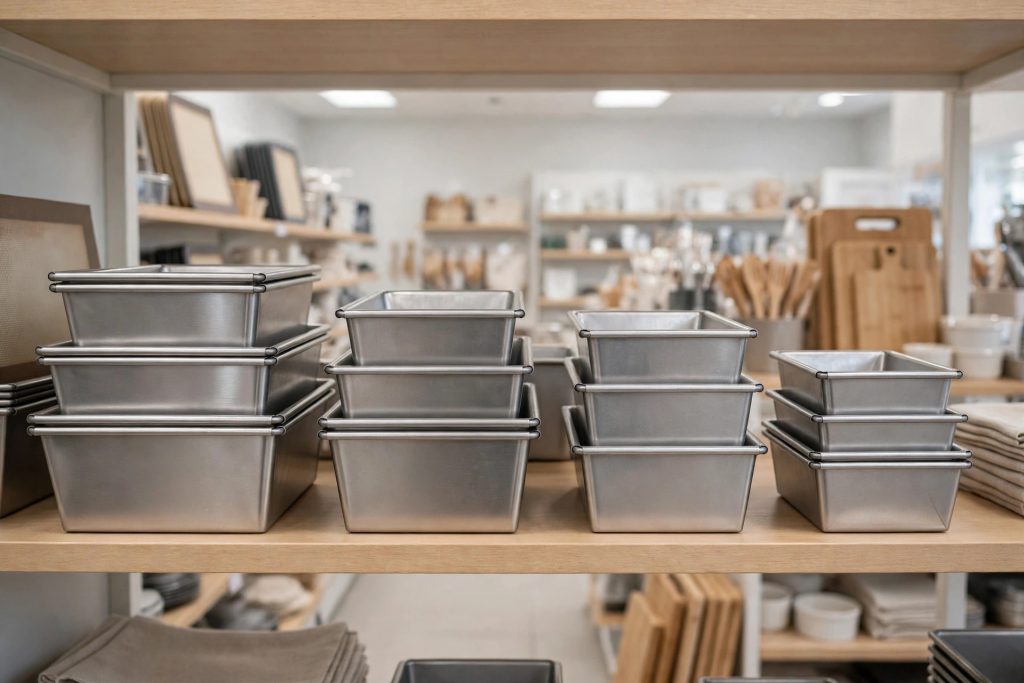
Shops use wholesale loaf pans suppliers to stock loaf pans that home cooks trust, since a shop that carries sturdy tools at fair prices earns repeat visits. Kitchen tools sell steadily because every home needs them, and a loaf pan is the kind of everyday tool that buyers replace and gift often. A good supplier matters as much as a good product, since late stock and poor quality cost a shop far more than a small saving on price. This guide explains why loaf pans sell well, what a good wholesale range covers, how to choose a supplier you can trust, how to price and order for your shop, and how to display stock so it sells more. A shop that stocks the right range at the right time builds a name for useful kitchen tools, and buyers come back when they need the next item for their kitchen.
Why Wholesale Loaf Pans Sell Well
Loaf pans sell well because every home cook needs them, and a loaf pan is a tool that wears out and gets replaced, so demand stays steady through the year. Kitchen tools suit gift buying too, since a well made loaf pan makes a useful gift for a new home or a keen cook. A loaf pan is easy to explain on a shelf, since buyers can see at once what it does and how it works, so it needs little selling. Shops that carry kitchen tools see steady foot traffic, since buyers who come in for one tool often leave with another item as well. A loaf pan suits many budgets, since a shop can stock a plain version and a better version side by side and let buyers choose. Seasonal cooking keeps demand fresh, since holidays and family meals bring new buyers into the shop looking for tools they do not yet own. A tool that works well earns word of mouth, so a shop that stocks sturdy loaf pans builds a name that brings buyers back. A shop that knows its buyers well can stock the tools they ask for, and asking buyers what they need is the cheapest research there is. Good service turns a first visit into a habit, so greet buyers well and help them find the tool they need.
What a Good Wholesale Range Covers
A good wholesale range covers several sizes, since a home cook with a small kitchen wants a small loaf pan and a family cook wants a larger one. The range should cover more than one material, since some buyers want steel for strength and others want a lighter tool that is easy to handle. A range that covers plain and better versions lets a shop serve buyers at more than one price, so no buyer leaves empty handed. Sets sell well beside single tools, since a buyer who needs one loaf pan often buys a set when the value looks clear. The range should include spares and matching tools, since a buyer who finds one useful tool often looks for the next one on the same shelf. A good range stays in stock through the year, so a shop can reorder the same lines without gaps that send buyers elsewhere. Packaging matters too, since a tool that is packed clearly and safely looks better on the shelf and reaches the buyer in good shape. Steady sales come from steady stock, so a shop that reorders before shelves run bare keeps buyers from going elsewhere. A shop that stocks useful tools at fair prices builds a name that spreads through the whole neighbourhood.
Choosing a Supplier You Can Trust
Choosing a supplier starts with proof, since a supplier who shares samples and clear terms is easier to trust than one who promises much and shows little. Check that the supplier answers quickly and clearly, since slow answers before an order often mean slow help after one. Ask how the supplier checks quality, since a supplier who inspects stock before shipping saves a shop from faulty goods and unhappy buyers. Look at delivery times and costs, since a supplier who ships on time keeps shelves full and buyers happy. A supplier who offers fair terms on small first orders lets a shop test the range without risking too much money at once. For shops looking for a reliable source, Skyrocs offers a helpful starting point, and the wholesale range covers stock for shops that want steady supply. A supplier who treats a small shop well is worth keeping, since a good trade link grows with the shop over time. A small shop can compete with larger stores by knowing its tools well and giving buyers honest advice they can trust. Keep the best sellers at eye level, since a tool that is easy to see is a tool that is easy to buy.
Pricing and Ordering for Your Shop
Pricing a loaf pan starts with knowing your full cost, since the price on the shelf must cover the stock, the freight, and the time it takes to sell. Order a small range first, since a first order that sells through quickly tells you which sizes and versions your buyers want most. Reorder the lines that sell fastest, and let slow lines run down, since shelf space earns more when it holds stock that moves. Watch the seasons when you order, since cooking seasons bring more buyers, and a shop that stocks up in time sells more. Keep a simple record of what sells and when, since a shop that knows its best lines orders with confidence and wastes less money. Leave room in the budget for a new line now and then, since a fresh tool on the shelf gives regular buyers a reason to look again. A shop that orders steadily and pays on time builds trust with its supplier, and trust often brings better terms over time. Word of mouth brings new buyers into a shop, so a tool that works well is worth more than any sign in the window. Buyers trust a shop that stands behind what it sells, so deal with faults quickly and fairly when they arise.
Displaying Wholesale Loaf Pans to Sell More
Displaying loaf pans well starts with putting them where buyers can see and touch them, since a tool that can be held sells faster than one behind glass. Group loaf pans by job, so a buyer looking for one tool sees the matching tools beside it and may buy more than planned. Keep the display tidy and full, since a shelf that looks cared for tells buyers the tools are worth their money. A simple sign that states what the tool does helps buyers choose quickly, since many buyers know the job but not the name of the tool. Place a loaf pan near the foods it serves, since a buyer who sees the tool beside the food it helps make will picture it in their own kitchen. Rotate the display now and then, so regular buyers notice something new each time they visit the shop. A display that lets buyers compare sizes side by side helps them choose the right loaf pan without asking, which suits a busy shop. A tidy shop invites buyers to linger, and buyers who linger often leave with more than they planned to buy.
Frequently Asked Questions
How do wholesale loaf pans suppliers help a kitchen shop?
They give a shop a steady line of everyday tools that buyers need and replace, so shelves stay full and buyers keep coming back. A supplier who stocks the range well also saves the shop time, since reordering is quick and simple.
What should wholesale loaf pans suppliers offer in a range?
A good range covers several sizes, more than one material, plain and better versions, and sets beside single tools, so a shop can serve many buyers. The range should also stay in stock through the year.
How do I choose among wholesale loaf pans suppliers?
Ask for samples, check how the supplier answers and ships, and look at quality checks and terms before you order. A supplier who is open about all of these is easier to trust than one who is not.
What should a shop order first from wholesale loaf pans suppliers?
Order a small range across the most useful sizes first, and watch which lines sell fastest before you reorder. A small first order tests the range without risking too much money.
Where should a shop display stock from wholesale loaf pans suppliers?
Display the tools where buyers can see and touch them, grouped by job and kept tidy and full. A clear sign that states what each tool does helps buyers choose quickly.