
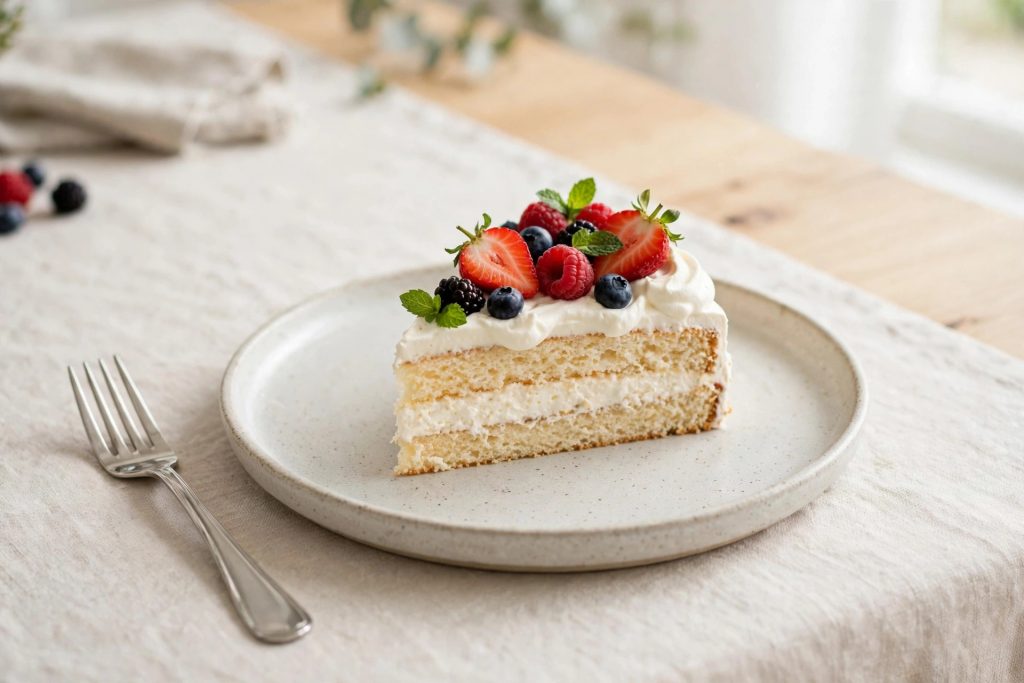
A dessert plate for sweet servings turns the end of a meal into a small pleasure, since it presents cake, ice cream, and fruit neatly on a plate that is easy to carry to the table. Many hosts serve dessert on whatever plate is to hand, because the sweet course feels like an afterthought after the main meal. A plate that suits dessert makes serving simple, since you place the sweet in the centre, add sauce beside it, and carry it out with pride. The result is a finish that feels special, which makes guests remember the meal and hosts enjoy serving it. This guide explains why sweet servings matter, how a dessert plate works, what to look for when you buy one, how to use it well, and how to keep it clean and ready for the next sweet course. A plate that is ready on the shelf saves time each evening, and a tidy dessert sets the tone for the end of the meal.
Why Sweet Servings Matter
Sweet servings matter because dessert is the part of the meal that guests remember, and a plate that presents it well makes the whole meal feel finished. A family that serves dessert on a proper plate shows care, and children who help carry small plates to the table learn that the end of a meal can be a pleasure. Desserts come in many shapes, from slices of cake and scoops of ice cream to bowls of fruit and small pastries, so a plate with the right size lets each sweet sit neatly without crowding.
A plate that feels good in the hand gets used for every sweet course, while a plate that feels awkward stays in the cupboard and dessert feels like an afterthought. Easy sweet servings also cut waste, since a plate that holds the right portion helps cooks serve the amount guests will eat instead of more than they need. A calm end to a meal sets the tone for the evening, and a simple plate earns its place on the shelf by making that sweet finish feel special.
How a Dessert Plate for Sweet Servings Works
A dessert plate for sweet servings works by giving each sweet its own space, so a slice of cake, a scoop of ice cream, or a small pastry sits neatly with room for sauce around it. You place the sweet in the centre of the plate, add sauce or cream beside it, and carry the plate to the table, and the wide rim keeps crumbs and drips off the cloth. Most plates are made from ceramic or sturdy stoneware with a smooth glaze, and the weight of the plate holds it steady while you cut into a slice of cake. Some plates have a flat centre that suits slices of cake, while others have a shallow dip that suits ice cream and fruit, and both styles suit a family table.
The size of the plate matters most, since a small plate suits a light sweet, while a larger plate suits a generous slice with cream and berries beside it. A smooth glaze on the surface lets a spoon slide cleanly, and a rim that lifts a little keeps sauce from running over the edge onto the table. Once you find a plate that fits your desserts, serving sweets becomes a pleasure you look forward to, and the plate becomes part of the meal routine.
Choosing the Right Dessert Plate for Your Kitchen
Choosing a dessert plate starts with the size of the serving you serve most, since the plate must hold the sweet and its sauce with room to spare or the plate will look crowded. Hold the plate in your hand and check that it feels balanced and not too heavy, since a plate you carry to the table should feel easy to lift with one hand. The material matters too, since thick ceramic feels solid and keeps ice cream cool, while light plates suit children and outdoor meals where a dropped plate should not break.
A set of plates that match gives the table a tidy look, and a set that stacks neatly saves space in the cupboard for a busy family kitchen. A plate with a wide rim looks generous on the table, while a plate with a narrow rim suits a small table where space is tight. For cooks looking for everyday kitchen tools, Skyrocs offers a helpful starting point, and the pet supplies range covers daily items for homes that share their kitchen with a cat or a dog.
Using Your Dessert Plate
Using a dessert plate well starts with placing the sweet in the centre, since a sweet set to one side makes the plate look lopsided and the sauce hard to reach. Add sauce or cream beside the sweet, since sauce poured over the top can hide the shape of the cake and make the serving look messy. Add berries or a mint leaf just before serving, since garnish added early wilts and loses the fresh look that makes dessert feel special. Serve at a steady pace, since ice cream left standing melts across the plate and the sweet loses the contrast between cold cream and warm cake.
Keep the plate on a flat surface while guests eat, since a plate perched on the edge of the table can tip and spill sauce across the cloth. A plate that is used for every sweet course earns its place, and a small routine of plating, garnishing, and serving makes dessert feel calm rather than rushed. Serve children on a smaller plate with a little less sweet, since a serving that matches a small appetite means less waste and a cleaner table.
Cleaning and Storing Your Dessert Plate
A dessert plate earns its place when it is easy to clean, since dried sauce on the rim will spoil the next sweet course if it is left to harden. Rinse the plate under warm water as soon as you finish, and use a soft cloth to clear sauce and crumbs from the rim and the centre. A little mild soap helps with sticky caramel or chocolate, and the plate should be dried at once with a clean towel, since water left on the plate can leave marks on the glaze. Avoid harsh scourers on the glaze, since scratches catch sauce and make the next plate harder to wash.
Check the rim now and then to make sure it has no chips, since a chipped rim can feel rough and can catch food in the crack. Store the plate stacked with its matching set in a cupboard where it is easy to reach, rather than buried under heavier pans that could chip the rim. A dry plate stores best in a cool cupboard away from heat, since a plate that is put away damp can smell stale by the next meal.
Frequently Asked Questions
Is a dessert plate for sweet servings needed for serving dessert?
It is not needed, yet it makes dessert look tidy and special, so hosts who serve sweets often will find it worth the shelf space, while cooks who serve dessert rarely can manage with any plate. A wide rim also keeps sauce and crumbs off the table, which saves cleaning time.
How does a dessert plate for sweet servings help at the table?
It gives each sweet its own space, so a slice of cake or a scoop of ice cream sits neatly with room for sauce around it, and the wide rim keeps crumbs and drips off the cloth. The weight of the plate also holds it steady while you cut into a slice.
Can a dessert plate for sweet servings hold hot and cold desserts?
Yes, it suits cold ice cream and warm cake alike, as long as the plate is made from ceramic or stoneware that can take heat, and you hold it by the rim when the dessert is hot. Light plates suit cold desserts best.
How do I clean a dessert plate for sweet servings after use?
Rinse it under warm water at once, clear sauce and crumbs with a soft cloth, use a little mild soap for sticky caramel or chocolate, and dry it fully before you stack it away. Avoid harsh scourers that can scratch the glaze.
What should I look for when buying a dessert plate for sweet servings?
Look for a plate sized for the sweets you serve most, a weight that feels balanced in the hand, a smooth glaze that washes clean, and a size that stacks neatly with the set you already own. A wide rim that keeps sauce in place is a bonus.