
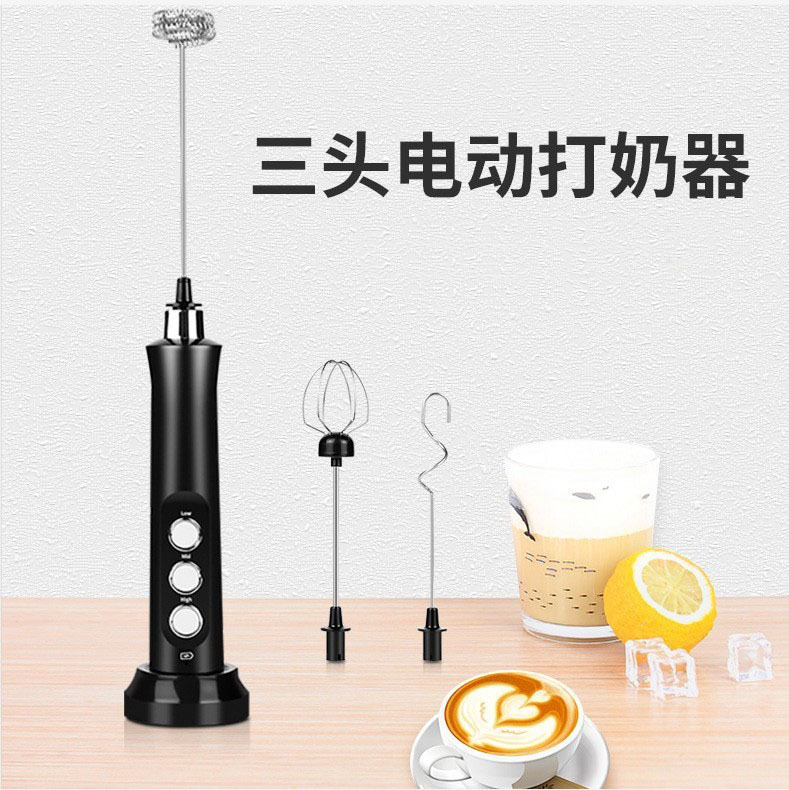
Wholesale handheld milk frothers suppliers help coffee shops, kitchen shops, and gift shops stock a small tool that turns plain milk into soft foam in seconds. A handheld frother whisks milk for lattes, cappuccinos, and hot chocolate, and it suits home coffee lovers who want cafe style drinks without a big machine. Owners buy them for morning coffee, for matcha, and for gifts, since the tool is cheap, small, and easy to wrap. For a retailer, the frother is a strong line, since it suits many kinds of buyers, sells all year, and brings owners back for spares and new styles. This guide explains why handheld frothers sell all year, what to look for in a frother range, how to check quality before ordering, how MOQ and margins work for retailers, and how to build a supply relationship that lasts.
Why Handheld Frothers Sell All Year
Handheld frothers sell all year because coffee is a daily habit, not a seasonal one. Owners froth milk for lattes in winter and for iced coffee in summer, so the tool never has a quiet season. The frother suits home baristas who want cafe style drinks, office workers who want better coffee at their desk, and gift buyers who want a small useful present. A handheld frother also suits matcha drinkers, since the whisk blends matcha powder into smooth frothy tea, and it suits hot chocolate lovers in cold weather. Shops can show the frother working in a cup of milk, and a live demo sells the tool faster than any shelf card. For retailers looking for a reliable source, Skyrocs offers a helpful starting point, and the wholesale range covers frothers and other kitchen lines for shops that want a steady supply. A frother that works well also makes a good gift, so shops sell it for birthdays, housewarmings, and holidays. A tool that turns plain milk into foam is a tool that owners use every day, and a tool used every day is a tool that sells.
What to Look for in a Frother Range
A good frother range covers more than one kind of buyer, so look for suppliers that offer several styles, several power options, and several price points. Slim battery models suit travellers and desk drawers, while USB charging models suit owners who want to recharge the frother like a phone. Look for frothers with more than one speed, since a gentle speed suits delicate foam and a fast speed suits thick froth for cappuccinos. Check the whisk head, since a stainless steel whisk lasts longer and cleans more easily than a coated one. A range with plain colours and bright colours helps too, since some owners want a frother that matches the kitchen and others want one that stands out. Ask the supplier how often new styles arrive, since a range that refreshes keeps owners coming back to see what is new. A supplier with a wide range lets the shop test several styles and keep the ones that sell, so the shelf always holds a frother that fits the buyer.
Quality Checks Before You Place an Order
Quality checks before ordering protect the shop from returns and complaints, so never skip them. Ask the supplier for a sample first, and test it the way an owner would, which means frothing cold milk, warm milk, and plant milk to see how the foam holds. Check that the frother starts quickly and runs smoothly, since a tool that stutters or stops will come back to the shop as a complaint. Look at the whisk head and the handle join, since a loose whisk wobbles and a weak join can snap. Run the frother in a tall glass and a wide mug, since some frothers suit one shape and splash in the other. Check the battery cover or charging port too, since a loose cover lets in milk and a loose port will frustrate owners. Ask the supplier what the whisk is made from and whether the handle is easy to grip when wet, and keep the answer on file. Test the speeds as well, since a frother with one speed only may suit some buyers and bore others. A supplier that welcomes testing is a supplier that trusts its own goods, and that trust is worth more than a low price.
MOQ, Pricing, and Margins for Retailers
MOQ and pricing decide whether a frother line earns its shelf space, so work the numbers before ordering. Ask the supplier for the MOQ per style and per colour, since a low MOQ lets the shop test a new frother without tying up cash in stock that may not sell. Compare the landed cost of each frother, which means the unit price plus freight, import duty, and any handling fees, against the price buyers will pay in the shop. A frother that costs little but breaks quickly will cost the shop more in returns than a sturdier frother with a higher price. Look for suppliers that offer tiered pricing, since a larger order should bring the unit cost down and leave room for a healthy margin. Check the payment terms too, since a supplier that asks for full payment before shipping carries more risk than one that takes a deposit with the balance on delivery. Ask about lead times, since a frother that takes weeks to arrive can miss a busy season. Plan the first order around the styles most likely to sell, and reorder the winners rather than filling the shelf with slow lines.
Building a Reliable Supply Relationship
A reliable supply relationship starts with clear talk, so agree on quality, delivery, and after sales care before the first order ships. Ask the supplier how they handle faulty frothers, since a supplier that replaces faulty stock quickly keeps the shop’s buyers happy. Agree on a delivery schedule and a contact who answers promptly, since slow replies turn small problems into lost sales. Keep a record of every order, including the styles, the quantities, the cost, and the delivery date, so the shop can see which frothers sell and which ones sit. Share sell through notes with the supplier, since a supplier that knows what sells can suggest new styles that fit the shop. Order a little ahead of busy seasons, so the shelf stays full when demand rises. Visit the supplier’s catalogue often, since new speeds, new colours, and new whisk styles give the shop fresh lines to show buyers. A supplier that grows with the shop, answers quickly, and stands behind its frothers is worth keeping, even when a cheaper source appears.
Frequently Asked Questions
How do I find wholesale handheld milk frothers suppliers I can trust?
Look for suppliers with a wide range, clear quality notes, and samples you can test before ordering. A supplier that welcomes testing, answers promptly, and replaces faulty stock is one worth keeping.
What MOQ should I expect from wholesale handheld milk frothers suppliers?
It varies by supplier, so ask for the MOQ per style and per colour before ordering. A low MOQ lets the shop test a new frother without tying up cash in stock that may not sell.
Are wholesale handheld milk frothers suppliers able to offer USB charging models?
Many suppliers offer USB charging models, since owners prefer charging the frother like a phone to hunting for spare batteries. Ask the supplier which models charge by USB and how long a charge lasts.
What quality checks matter most for wholesale handheld milk frothers suppliers?
Test a sample in cold milk, warm milk, and plant milk, check the whisk head and handle join, and try the frother in a tall glass and a wide mug. A supplier that welcomes testing trusts its own goods.
How do I choose between wholesale handheld milk frothers suppliers?
Compare range, quality, landed cost, MOQ, lead time, and after sales care together, rather than picking on price alone. The supplier that scores well on all of them is the one to keep.