
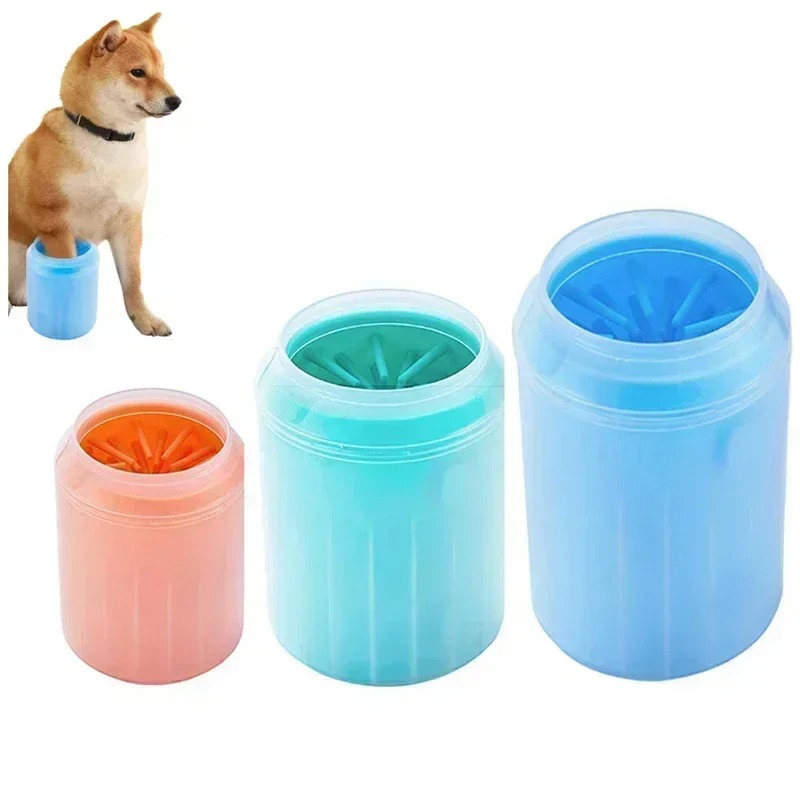
A dog paw washer cup for muddy walks turns a muddy return from the park into a quick rinse instead of a trail of paw prints across the floor. Dogs love mud, puddles, and wet grass, and their paws pick up soil, grit, and damp leaves on every outing. Wiping each paw with a towel takes time, and a quick wipe often leaves grit behind in the pads and between the toes. A paw washer cup solves the problem with a simple idea: a cup filled with water and soft bristles that cleans all round the paw in a few gentle twists. This guide explains why muddy paws deserve a proper wash, how a washer cup works, how to pick the right size and bristles, how to use the cup on every walk, and how to keep it clean.
Why Muddy Paws Need a Proper Wash
Muddy paws carry more than dirt into the house. Soil, grit, road salt, and damp leaves cling to the pads and lodge between the toes, and a dog that walks indoors spreads that mess across floors, rugs, and furniture. Grit left in the paws can also irritate the skin, since small stones and coarse sand rub against soft pads with every step. A quick towel wipe removes surface mud, yet it often misses the grime packed between the toes, where dampness can linger and leave the paws sore. Washing the paws properly after every muddy walk keeps the house cleaner and the dog more comfortable, and it lets the owner spot cuts, thorns, or cracked pads before they turn into a problem. For owners looking for everyday pet care, Skyrocs offers a helpful starting point, and the pet supplies range covers cups and other daily items for dogs and cats. A regular wash routine also keeps mud out of the car, since a dog that climbs in with clean paws leaves the seats and footwells far cleaner. Dogs that walk in wet weather benefit most, yet even a dry dusty path leaves fine grit on the paws that deserves a rinse. A proper wash takes only a minute, and it saves far more time than cleaning muddy paw prints from the floor later.
How a Paw Washer Cup Works
A paw washer cup is a sturdy cup with soft bristles fixed around the inside wall, and it cleans a paw from all sides at once. The owner fills the cup with clean water, slips the paw inside, and twists the cup gently so the bristles brush away mud and grit. The bristles reach between the toes and around the pads, places a towel rarely reaches, and the water carries the dirt away from the paw instead of smearing it around. Most cups have a lid or a rim that keeps splashes inside, so the wash stays tidy even when the dog fidgets. The cup works with plain water, and a drop of gentle dog shampoo can help when the paws are very dirty, though plain water suits most walks. After the wash, the owner lifts the paw out, pats it dry with a towel, and moves on to the next paw. The whole routine takes about a minute for all four paws, which makes it easy to keep up after every walk. The cup itself needs no power and no plumbing, so it works at the front door, in the garden, or in the boot of the car. Silicone bristles are the most common choice, since they bend without scratching and rinse clean in seconds, while a wide opening suits larger paws and a narrower cup suits small dogs.
Choosing the Right Size and Bristles
Size decides whether a paw washer cup suits the dog, so match the cup to the paw that will go inside it. A small cup suits toy breeds and cats, while a large cup suits big dogs with broad paws and thick legs. A cup that is too small will squeeze the paw and make the dog pull away, while a cup that is too large will let the paw wobble and miss the bristles. Check the opening width before buying, and look for a cup that lets the paw slide in without force and leaves room for a gentle twist. Bristles matter just as much as size, since soft silicone bristles clean without scratching, while stiff bristles can irritate sensitive pads. Look for bristles that feel springy and smooth, with rounded tips that brush the skin rather than scraping it. A cup with bristles on all sides cleans more evenly than one with bristles on one side only. A non slip base helps too, since it keeps the cup steady on a wet step or a tiled floor. A lid or a splash guard keeps the water inside while the cup twists, which matters when the wash happens indoors. Think about where the cup will live between walks, and pick a size that fits that spot as well as the paw.
Using the Cup on Every Walk
A paw washer cup earns its keep when it sits ready by the door, so keep it filled or keep a bottle of water beside it. Fill the cup with clean lukewarm water before the walk ends, and place it on a towel or a tray by the entrance. When the dog comes in, guide one paw into the cup and twist gently, letting the bristles work around the pads and between the toes. Lift the paw out and pat it dry before moving on to the next one, and change the water if it turns very muddy part way through. Dogs that dislike the cup at first often settle with patience, so let the dog sniff the cup, offer a treat, and keep the first few washes short and calm. Never force a paw into the cup or hold the dog down, since a bad first wash can put the dog off the routine for weeks. In cold weather, use lukewarm water rather than cold, since cold water on cold paws is unpleasant and can make the dog resist. On dry days the cup still helps, since dust and fine grit cling to the paws even when there is no mud. A quick wash after every walk soon becomes part of the routine, and most dogs learn to stand still for it within a few days.
Cleaning and Caring for the Cup
A paw washer cup needs regular cleaning, since muddy water left standing in the cup can turn stale and leave a smell. Empty the cup after every walk, rinse it with clean water, and let it dry open so no dampness stays trapped inside. Wash the bristles with hot water and mild dish soap at least once a week, and run a finger between the bristles to lift any grit caught at the base. Soak the cup in hot water with a little white vinegar to lift any stale smell, then rinse well so no vinegar taste remains near the paws. Let the cup dry fully before putting the lid on, since trapped dampness can leave a musty smell and encourage mould around the bristles. Avoid harsh scouring pads, since scratches in the cup give dirt a place to hide and can make the surface go cloudy over time. Check the bristles now and then for wear, and replace the cup if the bristles flatten or lose their spring, since flat bristles clean poorly and can scratch. A clean cup keeps the wash fresh, and fresh water keeps the paws clean, so the quick rinse after each walk is time well spent.
Frequently Asked Questions
Is a dog paw washer cup for muddy walks safe for daily use?
Yes, a cup with soft silicone bristles is safe for daily use, since the bristles brush gently without scratching the pads and plain water leaves no residue on the skin.
What size dog paw washer cup for muddy walks should I buy?
Match the cup to the paw, with small cups for toy breeds and cats and larger cups for big dogs. The paw should slide in without force and leave room for a gentle twist.
Can I use shampoo in a dog paw washer cup for muddy walks?
Yes, a drop of gentle dog shampoo can help when the paws are very dirty, though plain water suits most walks. Rinse well so no shampoo stays between the toes.
How do I keep a dog paw washer cup for muddy walks clean?
Empty it after every walk, rinse with clean water, and wash the bristles with hot water and mild dish soap at least once a week. Let it dry fully open before storing.
Will my dog accept a dog paw washer cup for muddy walks?
Most dogs settle with patience, so let the dog sniff the cup first, offer a treat, and keep the first few washes short and calm. Never force a paw into the cup.