
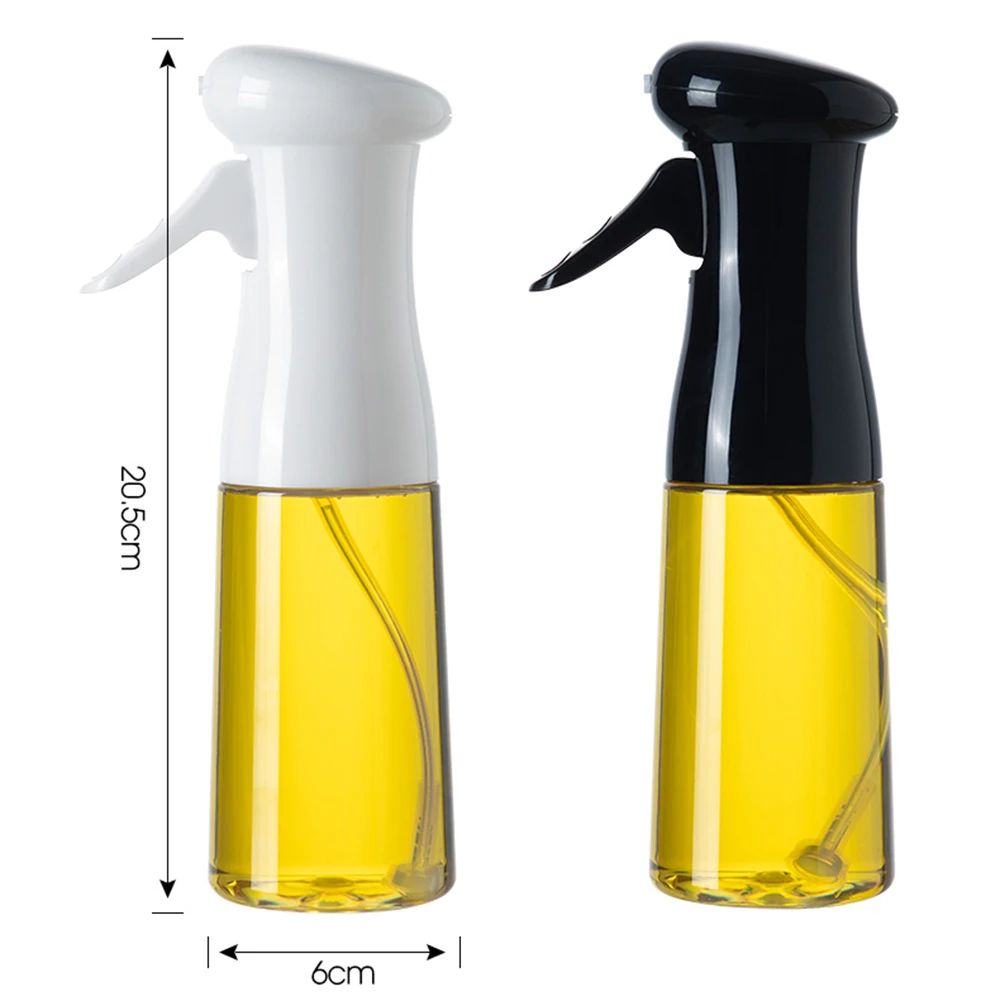
The air fryer promised crispy food with barely any oil — and it delivers, mostly. But anyone who’s air-fried knows the gap between “mostly” and “actually crispy.” Vegetables come out dry on the edges, chicken skin stays pale, and homemade fries taste like they were just… heated.
The missing piece is usually oil application. Pouring oil over food before air frying dumps too much in some spots and none in others. Brushing is slow and uneven. An oil sprayer for air fryer cooking solves it: a fine, even mist that coats every surface with a fraction of the oil you’d otherwise use.
Why Your Air Fryer Needs an Oil Sprayer
Air fryers work by blasting hot air around food. That hot air can only crisp what it touches — and dry surfaces don’t crisp well. A thin, even layer of oil does three things:
- Transfers heat to the food surface faster, so browning starts sooner.
- Helps seasonings stick instead of blowing around the basket.
- Prevents sticking on the basket or tray without soaking the food.
The difference between pouring and spraying is control. A tablespoon of poured oil pools at the bottom; the same tablespoon through a sprayer becomes a uniform mist over a whole batch of fries. Most people end up using 60–80% less oil for the same crispness.
Pump Sprayer vs. Aerosol Cooking Spray
Store-bought aerosol cooking sprays seem convenient, but they have real downsides:
- Propellants and additives. Aerosols use propellants like butane and often contain anti-foaming agents and preservatives you didn’t ask for.
- They damage air fryer coatings. The additives in aerosol sprays can break down non-stick basket coatings over time — the opposite of what you want.
- Single-use waste. Every can ends up in the trash; a pump sprayer lasts for years.
A pump-action oil sprayer bottle has none of these problems. You fill it with your own oil, pump to pressurize, and squeeze the trigger for a clean mist. No propellants, no additives, no waste — just oil.
How to Use an Oil Sprayer for Best Results
1. Fill it two-thirds full
Don’t overfill. The sprayer needs air space to build pressure. About 200 ml of oil in a 300 ml bottle is the sweet spot.
2. Pump before each use
Give the top 5–8 pumps to pressurize. You’ll feel resistance build — that’s normal. Re-pump if the mist weakens mid-session.
3. Spray from 15–20 cm away
Hold the sprayer 6–8 inches from the food and sweep steadily. Too close and you get droplets instead of mist; too far and half the oil misses the basket.
4. Layer it
For the crispiest results: spray the food, shake or flip halfway through cooking, spray lightly again. Two thin coats beat one heavy coat every time.
5. Clean the nozzle
After each use, spray a few pumps of hot water through the nozzle (or just wipe it). Dried oil is the #1 cause of weak spray.
Which Oils Work Best in a Sprayer
Almost any cooking oil works, but viscosity matters — thicker oils mist less evenly.
- Avocado oil — high smoke point, neutral taste, sprays beautifully. The best all-rounder for air frying.
- Light olive oil — great flavor for Mediterranean-style dishes. Use “light” rather than extra-virgin for high heat.
- Vegetable or canola oil — cheap, neutral, and perfectly fine for everyday use.
- Coconut oil (melted) — works, but re-solidifies if your kitchen is cool. Only fill what you’ll use in a week.
Avoid infused oils with solid particles (like chili flakes) — they clog the nozzle. Strain them first if you want flavored oil.
What to Cook With It
Once you have a sprayer, you’ll find uses beyond the air fryer:
- Air fryer fries and wedges — the classic. Even coat, golden edges.
- Roasted vegetables — broccoli, Brussels sprouts, and cauliflower crisp up instead of steaming.
- Breaded items — a light mist over breaded chicken or mozzarella sticks gives that fried-gold finish.
- Salads and grilling — mist a salad instead of drowning it in dressing oil; coat grill grates to prevent sticking.
- Baking — spray cake pans and muffin tins instead of greasing by hand.
Cleaning and Maintenance
A pump sprayer is low-maintenance, but a 30-second routine keeps it spraying like new:
- Empty leftover oil every few weeks (oil goes rancid eventually, even in a bottle).
- Fill with warm water and a drop of dish soap, pump, and spray through.
- Rinse with clean water, spray once more to clear the line, and air-dry.
If the mist weakens over months of use, the usual culprit is a worn seal — most quality sprayers use replaceable gaskets, but simply cleaning the nozzle fixes it 90% of the time.
FAQ
Can I use any oil in a pump oil sprayer?
Yes — olive oil, avocado oil, vegetable oil, and melted coconut oil all work. Thinner oils mist most evenly. Avoid oils with solid particles like chili flakes unless strained, as they can clog the nozzle.
Is a pump sprayer better than aerosol cooking spray for an air fryer?
For air fryers, yes. Aerosol sprays contain propellants and additives that can damage non-stick basket coatings over time. A pump sprayer uses only pure oil, gives you control over the amount, and produces no waste.
How much oil does an oil sprayer actually save?
Most home cooks report using 60–80% less oil compared to pouring, because the mist distributes evenly instead of pooling. A typical air fryer batch needs only 1–2 teaspoons of sprayed oil for full coverage.
Want crispier air fryer results with less oil? The pump-action oil sprayer bottle at Skyrocs delivers a fine, even mist with no propellants or waste — just pure oil. Check the full kitchen gadgets collection for more air fryer essentials.