
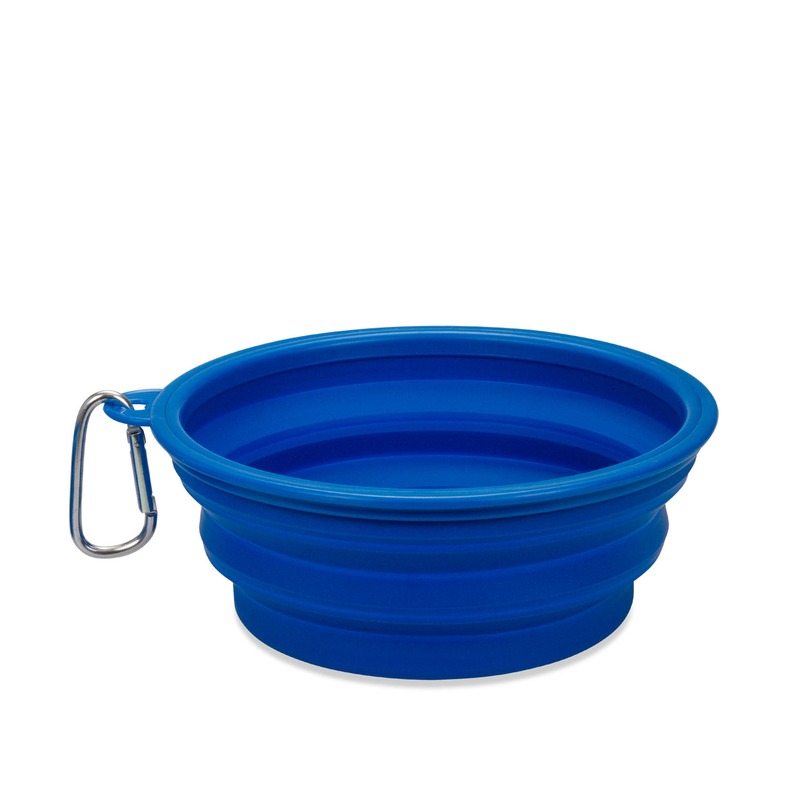
Shops that stock travel gear for pets know that a good bowl sells itself, and wholesale collapsible silicone pet water bowls suppliers are the partners that keep those shelves full. Dog owners buy a collapsible bowl before a holiday, a long walk, or a move, and they often come back for a second one as a spare or a gift. The product is light, cheap to ship, and easy to display, which makes it a strong line for pet shops, outdoor stores, and market stalls alike. A supplier that offers a steady range, honest quality, and fair terms lets a shop build the line without tying up cash in slow stock. This guide explains why travel bowls sell well, what to look for in a wholesale range, how to check quality before ordering in bulk, what to ask about minimum orders and packaging, and how to build a supplier relationship that lasts.
Why Travel Bowls Sell Well in Pet Shops
Travel bowls sell well because they solve a problem every dog owner meets on a walk, a trip, or a day out. A dog gets thirsty far from home, and a bowl that folds flat fits in a pocket or clips to a lead, so owners buy one without thinking twice. The price point is low, which makes the bowl an easy add on at the till, and the bright colours and handy clip make it simple to display near leads, treats, and waste bags. Seasonal demand helps too, since summer walks and holiday travel push sales up just when shops need a reliable line. The bowl also suits gifts, since it is useful, light, and hard to get wrong as a present for a dog owner. Shops that place the bowl beside travel bottles and outdoor gear often see it move faster than the same bowl sitting alone on a shelf. A supplier that keeps the core colours and sizes in stock lets a shop reorder quickly when a display sells through. For shops looking to widen their travel range, Skyrocs offers a helpful starting point, and the wholesale programme covers bulk orders for pet shops and resellers.
What to Look for in a Wholesale Range
A good wholesale range covers the sizes and colours that sell, without forcing a shop to carry lines that gather dust. Look for a supplier that offers small bowls for cats and small dogs alongside larger bowls for big dogs, since a range that serves every pet sells better than a single size. Colour matters more than it seems, since bright colours stand out on a shelf and match leads and collars that owners already buy. Check that the supplier stocks spare parts or matching items, such as travel bottles and treat pouches, since a shop that can build a small travel display around the bowl will sell more of everything on it. Ask how often the range changes, since a supplier that drops a colour without warning can leave a shop with a gap on the shelf. A steady core range with a few seasonal colours each year is the safest bet. Look at the packaging as well, since a bowl that arrives in a clean retail pack can go straight on the shelf, while one that arrives loose needs time and cost to pack. A supplier with a clear catalogue and honest stock levels saves a shop from guessing what will arrive.
Quality Checks Before You Order in Bulk
Quality checks before a bulk order save a shop from returns and unhappy customers, so test the product before committing. Ask for a sample first, and open and fold it many times to see whether the silicone keeps its spring or goes slack after a few uses. Fill the sample with water and leave it standing, then check for leaks around the folds and the base. Smell the bowl, since cheap silicone can carry a chemical odour that puts pets off their water, and a good bowl should smell of nothing at all. Press the base on a smooth floor and see whether it grips or slides, since a bowl that skates across tiles will come back as a complaint. Check the thickness of the wall, since thin silicone collapses under the weight of water while a sturdy wall holds the bowl open. Look at the stitching or moulding where the clip attaches, since a weak loop will snap the first time an owner hangs the bowl from a lead. Ask the supplier what material grade they use and whether the bowls pass food contact testing, and keep the answer on file. A sample that passes these checks is worth far more than a low price on a bowl that fails.
Minimum Orders, Packaging, and Margins
Minimum orders, packaging, and margins decide whether a line makes money, so get the numbers clear before the first order. Ask the supplier for the minimum order per size and per colour, since a low minimum lets a shop test a new colour without tying up cash, while a high minimum can leave slow colours sitting in the store room. Check whether the price drops at higher volumes, and whether mixed sizes count toward the same tier, since a shop that can mix sizes will reach the better price sooner. Packaging matters for the shelf and the till, since a bowl in a clean retail pack with a barcode sells faster than one that needs a sticker and a bag. Ask whether the supplier offers plain packs for shops that use their own labels, and what the lead time is from order to delivery. A supplier that ships quickly lets a shop run leaner, while a slow supplier forces bigger orders and more stock on hand. Work out the margin after freight, packaging, and any card fees, and check that the retail price still looks fair to the customer. A line that earns a steady margin and turns over quickly beats a line with a high margin that sits unsold.
Working with a Supplier You Can Trust
A supplier worth keeping is one that answers quickly, ships what was ordered, and fixes problems without a fight. Start small, with a modest first order, and watch how the supplier handles the details, from the invoice to the delivery date. A supplier that confirms stock before taking payment and sends a tracking note when the order ships is one that respects the shop. Ask how they handle damaged or faulty goods, since a clear returns policy shows confidence in the product. Keep a note of lead times, so a supplier that quotes a week and delivers in three is easy to spot. Pay on time and give honest feedback, since a good supplier will use it to improve the range and may offer better terms to a shop that orders steadily. Visit a trade show or request a video call if the order grows, since a face to face talk builds trust faster than email alone. A shop that treats the supplier as a partner rather than a vendor will get better stock, better prices, and earlier news of new lines. The best supplier relationships grow over years, built on steady orders, honest talk, and bowls that customers come back for.
Frequently Asked Questions
What should shops ask wholesale collapsible silicone pet water bowls suppliers first?
Ask about sizes, colours, minimum orders, material grade, and food contact testing. A supplier that answers clearly and offers a sample is usually one worth working with.
How do shops check quality from wholesale collapsible silicone pet water bowls suppliers?
Order a sample, fold it many times, fill it with water, and check for leaks, smell, grip, and wall thickness. A sample that passes these checks is worth more than a low price on a weak bowl.
What minimum order do wholesale collapsible silicone pet water bowls suppliers usually set?
It varies by supplier, so ask for the minimum per size and per colour, and whether mixed sizes count toward a better price tier. A low minimum lets a shop test a new colour without tying up cash.
Can shops get custom colours from wholesale collapsible silicone pet water bowls suppliers?
Many suppliers offer custom colours or a shop logo on larger orders. Ask about the minimum for custom work and the extra lead time before promising it to customers.
How should shops display bowls from wholesale collapsible silicone pet water bowls suppliers?
Place them near leads, treats, and travel bottles, with one open and one folded so customers can see how the bowl works. A working display sells faster than a bowl sitting alone on a shelf.