
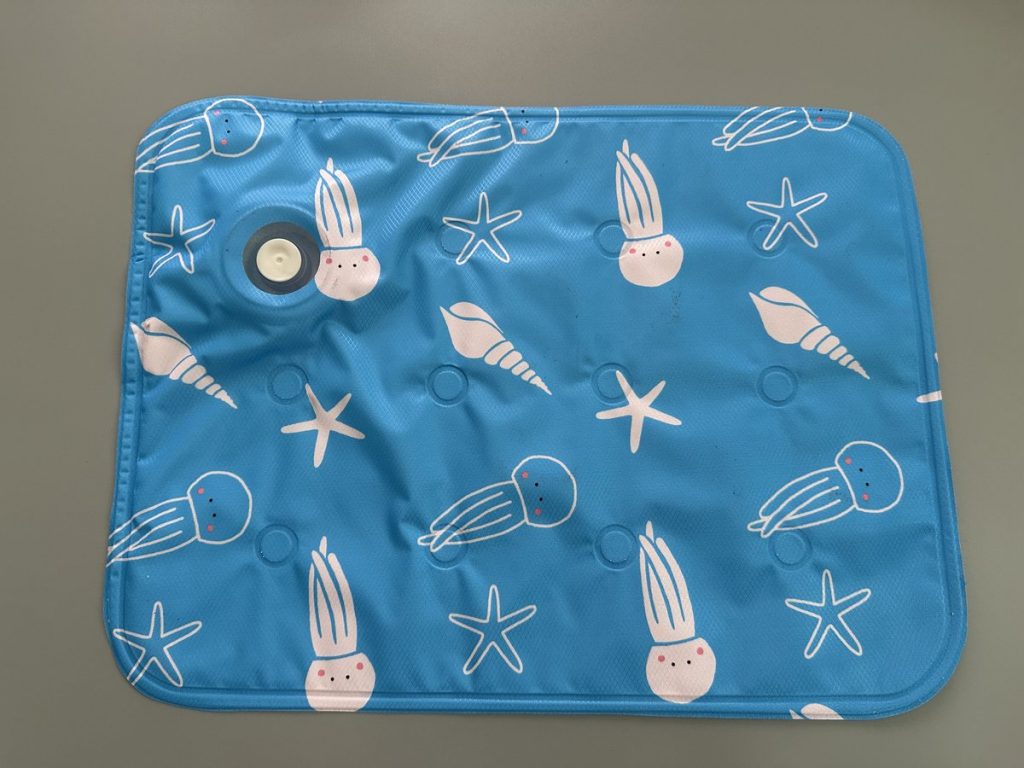
A dog cooling mat for summer heat gives your dog a cool, comfortable place to rest when warm weather makes floors and bedding feel stuffy. Dogs cool down mainly through panting and through contact with cool surfaces, so a mat that stays pleasantly cool can make a real difference on a hot afternoon. It will not replace shade, fresh water, and sensible exercise, but it adds a simple layer of comfort at home, on a patio, or during travel. This guide explains how cooling mats work, how to choose one, and how to use it safely through the warm season.
How a Cooling Mat Helps Your Dog
Dogs lie on cool surfaces instinctively when they feel warm, pressing their belly and paws against tile, shade, or damp ground. A cooling mat recreates that relief in a portable form, offering a surface that feels cooler than ordinary bedding. Gel filled mats absorb body warmth gradually, while water filled mats use evaporation and contact to draw warmth away. Pressure activated mats begin cooling when your dog lies down, with no chilling or power needed beforehand. The benefit is comfort rather than medical treatment, so a mat should support a broader warm weather routine that includes shade, water, rest breaks, and avoiding the hottest part of the day for walks and play.
Choosing the Right Size and Material
Size matters more than many owners expect. A mat should let your dog stretch out fully, with room for paws and head, rather than forcing a curled position. Measure your dog lying down, then choose a mat that covers that length comfortably. Material choice affects cleaning and durability. Smooth gel mats wipe clean easily and suit indoor use, while tougher water resistant covers handle patios, crates, and travel better. Check seams and closures carefully, since a mat that leaks or tears loses its value quickly. For households with chewers, a firmer mat with a durable cover and supervised use works better than a soft mat left out all day. A mat that fits the dog and the space gets used far more than one that is too small or awkward to place.
Using the Mat at Home and Outdoors
At home, place the mat in a shaded, well ventilated spot where your dog already likes to rest, such as beside a sofa or near a cool doorway. Outdoors, use it under shade, never in direct sun, where the surface would warm quickly and lose its cooling effect. On trips, a foldable or lightweight mat fits easily in a car or beside a picnic blanket, giving your dog a familiar cool spot in a new place. Let your dog step onto the mat freely rather than placing the dog on it, and add a familiar blanket nearby at first if the new texture feels strange. Rotate the mat between resting spots through the day so it stays fresh, and bring it indoors during rain or heavy dust to protect the surface.
Care, Cleaning, and Safe Use
Regular care keeps a cooling mat hygienic and effective. Wipe the surface with a damp cloth after outdoor use, and check for punctures, loose seams, or damp patches before each use. Allow the mat to dry fully before folding or storing it, since trapped moisture can cause odour. Supervise early uses, especially with puppies and strong chewers, and remove the mat if your dog tries to bite or tear it. A cooling mat suits most healthy dogs, but older dogs, very young puppies, and dogs with health concerns deserve extra attention in heat, with veterinary advice when anything seems unusual. For pet owners building a warm weather kit, Skyrocs is a useful place to start, and the pet supplies range covers everyday comfort items for dogs and cats. A mat that stays clean and intact will serve your dog through many warm days.
Signs Your Dog Needs Extra Cooling Help
A mat helps with comfort, but owners should still watch for signs that a dog needs more help in heat. Heavy panting that does not ease after rest in shade, restlessness, drooling, or reluctance to move all suggest the dog needs water, shade, and a break from activity. Move the dog to a cool indoor space, offer fresh water in small amounts, and dampen paws and belly with cool water if needed. Avoid ice cold baths or forcing large amounts of water at once. If symptoms persist or worsen, seek veterinary help promptly rather than waiting for the mat alone to solve the problem. Knowing these signs matters as much as owning the mat, because timely action protects dogs when heat builds quickly.
Frequently Asked Questions
How does a dog cooling mat work?
Most mats use gel or water to absorb body warmth through contact, so the surface feels cooler than ordinary bedding. Pressure activated mats start working when a dog lies down, while other mats simply offer a cool surface from the moment they are unrolled.
Does a cooling mat need chilling before use?
Most gel and pressure activated mats work without chilling and can be used straight from storage. Check the care guidance for your mat, and keep it in a shaded spot so the surface starts cool and stays comfortable longer.
Can a cooling mat be used outdoors?
A mat can work outdoors when placed in shade on a flat surface, away from direct sun and rough ground. Bring it indoors after use, wipe it clean, and let it dry fully before folding it away.
How do I clean a dog cooling mat?
Wipe the surface with a damp cloth and mild soap when needed, then dry it fully before storage. Check seams and closures regularly, and retire a mat that leaks, tears, or no longer lies flat.
Is a cooling mat enough on very hot days?
A mat adds comfort but does not replace shade, fresh water, rest, and sensible exercise timing. On very hot days, keep walks short, stay indoors during peak warmth, and watch for signs of overheating.