
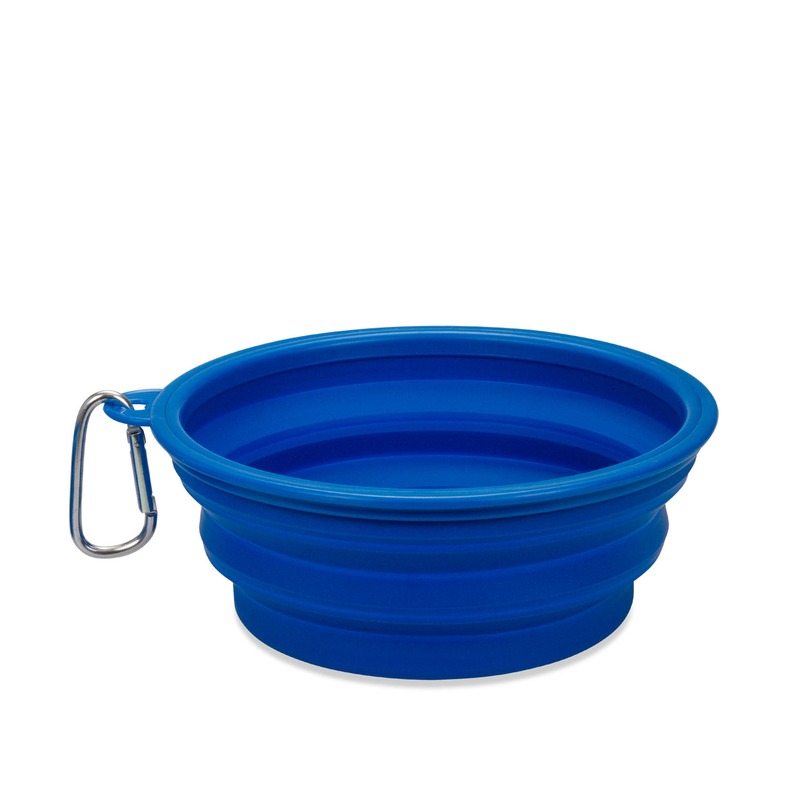
Bowls and feeders may look like simple products, but they are among the most reliable lines in a pet store. Every dog and cat needs a place to eat and drink, and owners replace bowls for many reasons: a puppy grows, a new pet joins the home, a bowl chips, a slow feeder helps a fast eater, or a raised feeder suits an older pet. Wholesale pet bowls and feeders suppliers serve this steady demand with a wide choice of materials, sizes, and designs. For a retailer, the opportunity lies in stocking the right mix, not simply the largest mix. A clear range, grouped by pet size, feeding need, and household style, helps customers choose quickly and helps staff give confident advice. This guide explains how to think about bowls and feeders as a selling category, what to look for in a supplier, and how to build stock that moves.
Why Bowls and Feeders Sell Steadily
Feeding products sell steadily because feeding happens every day. Unlike a toy that may be bought on impulse or a seasonal item bought once a year, a bowl is a daily essential. Replacement demand keeps the category active. Bowls wear out, get chewed, crack, or become hard to clean. Owners also buy second bowls for travel, for a second home, or for use in different rooms. New pet owners buy bowls as part of a first setup, often alongside food, a bed, and a lead. That first purchase creates an opportunity to recommend a bowl that suits the pet from the start, rather than one that will need replacing within weeks. Slow feeders add another layer of demand, since owners of fast eaters actively seek a design that slows eating and reduces mess. Water fountains and large-capacity feeders appeal to busy households and multi-pet homes. A retailer who understands these everyday triggers can present bowls and feeders as solutions to real feeding problems, not just as containers.
Materials, Sizes, and Designs That Customers Want
Material choice shapes durability, cleaning, and appearance. Stainless steel suits many households because it resists odour, cleans easily, and stands up to daily use. Ceramic offers weight and stability, which helps prevent sliding and tipping, and it suits homes where appearance matters. Melamine and other sturdy plastics offer lighter weight and a wide choice of colours, which appeals to buyers matching a bowl to home decor. Silicone mats and non-slip bases help keep bowls in place on smooth floors. Size matters just as much. Small bowls suit cats and small dogs, medium bowls suit most family dogs, and large or extra-deep bowls suit large breeds and multi-pet feeding. Raised feeders suit older pets and larger dogs by bringing food to a more comfortable height. Slow feeder designs use ridges or mazes inside the bowl to slow fast eaters. Travel bowls that fold flat or seal shut suit owners who feed pets away from home. Stocking a balanced spread across materials and sizes, rather than many versions of one size, gives every customer a sensible choice.
What to Look For in a Bowls and Feeders Supplier
A good supplier offers more than a catalogue. Look for clear product details covering material, capacity, dimensions, care guidance, and suitability for dogs, cats, or both. Samples are valuable, especially for bowls, since weight, finish, and stability are hard to judge from a photo alone. Test a sample by filling it, placing it on a smooth floor, and checking whether it slides, tips, or rings loudly when a pet eats. Check how the supplier packs bowls for transit, since ceramic and steel can chip or dent if packed poorly. Ask about minimum order quantities for each design, since a supplier may require a larger order for one colour than for a core neutral design. Delivery reliability matters, because bowls are core stock that customers expect to find in store. A supplier who communicates clearly about stock levels, lead times, and discontinued designs helps a retailer plan without sudden gaps. Keep a simple record of supplier performance, including delivery speed, damage rates, and responsiveness, and review it before reordering.
Building a Bowl Range by Pet and Household
Building a range starts with the customer, not the catalogue. Group the range by pet type first, then by feeding need. For cats, include shallow bowls that suit whiskers, small slow feeders, and water bowls or fountains that encourage drinking. For dogs, include a spread of sizes, slow feeders for fast eaters, raised feeders for larger or older dogs, and travel bowls for active owners. For multi-pet homes, include larger water bowls and sets that keep feeding areas tidy. Within each group, offer a good, better, and best choice, so customers can choose by budget and quality without facing a wall of near-identical options. Add a small number of distinctive designs, such as patterned ceramic bowls or coloured steel sets, to give the range personality. Avoid overloading the shelf with too many colours of the same bowl, since choice without difference confuses buyers and ties up stock. Review sales by size and design, and adjust the mix so fast-moving sizes are always available while slow colours are phased out.
Display, Advice, and Everyday Selling
How bowls are displayed affects how well they sell. Group bowls by pet size and feeding need, with clear labels showing capacity and suitability. Place a slow feeder next to standard bowls, with a short note explaining who it helps, so fast-eater owners can spot the solution without asking. Keep one sample bowl open for customers to handle, since weight and stability are selling points that a sealed box hides. Staff advice should be simple and practical: ask about pet size, eating speed, floor type, and whether the bowl will travel. Those four questions usually point to the right choice. Mention cleaning guidance at the point of sale, since easy cleaning is a common reason for repeat satisfaction. For retailers building a wholesale relationship for this category, the next step is to discuss ranges, minimums, and delivery with a supplier who understands feeding products. You can start that discussion through the wholesale page and outline the pet sizes, materials, and designs the store needs most.
Frequently Asked Questions
Which bowl material is best for most pets? There is no single best material. Stainless steel suits many homes for durability and easy cleaning. Ceramic suits homes that need weight and stability. Lightweight options suit travel and colour matching. The best choice depends on pet size, floor type, and owner preference.
What is a slow feeder bowl? A slow feeder bowl has ridges, mazes, or raised patterns inside the bowl that make it harder for a pet to eat too quickly. It suits fast eaters and can help reduce mess around the feeding area.
How many sizes should a store stock? Stock a spread that covers cats, small dogs, medium dogs, and large dogs, with a raised option for larger or older pets. A balanced spread across sizes sells better than many colours in a single size.
Do raised feeders suit all dogs? Raised feeders suit many larger and older dogs by bringing food to a comfortable height. They are not needed for every dog, so staff should ask about the pet’s size, age, and comfort before recommending one.
Where can a retailer find wholesale bowls and feeders? Start with suppliers who specialise in feeding products and offer clear details, samples, and reliable delivery. A general starting point is the Skyrocs homepage, which links onward to wholesale information for retailers.