
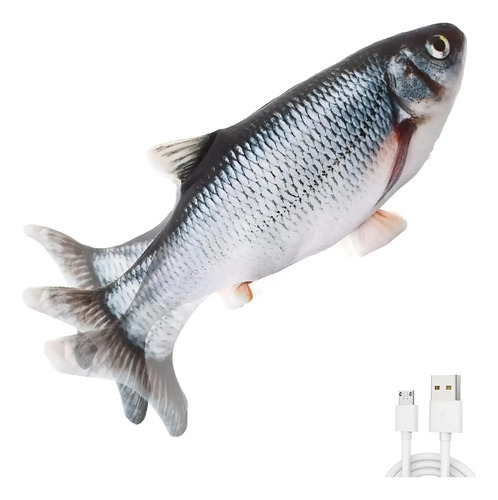
Cat toys look simple on a shelf, but buying them wholesale is not. A toy that sells in one store gathers dust in another. A supplier with a low unit price may charge high shipping, require a large minimum order, or disappear when you need a reorder. Retailers who stock cat toys well do not guess. They compare suppliers on the same checklist every time: product range, minimum order, landed cost, quality, and reorder reliability. This guide gives you that checklist, plus the questions to ask before you commit shelf space or cash.
Start With Your Customer, Not the Catalog
Before opening a supplier catalog, define who buys from you. A neighborhood pet store serves owners who want a quick, affordable toy for tonight. A boutique serves owners looking for something unusual or gift-worthy. An online store serves buyers who compare reviews and prices across many sellers. Each customer buys differently, and each one points to a different assortment.
Map your range to a few clear buckets: interactive toys that move on their own, teaser wands and feather toys for play with the owner, comfort toys for kittens and anxious cats, and value packs for multi-cat households. A balanced starter range covers each bucket with one or two options rather than ten versions of the same toy. As an illustrative example, a small store might open with eight to twelve cat toy lines in total, split across the buckets, and expand only the lines that actually sell. That discipline protects cash and shelf space far better than a big opening order.
What to Compare Across Wholesale Cat Toys Suppliers
Price per unit is only the first number. Landed cost is the number that matters: unit price plus shipping, import costs where relevant, and any handling or packaging fees, divided by the units that actually arrive in sellable condition. A supplier whose headline price looks cheapest can become the most expensive once shipping and breakage are added. Ask every supplier for a written landed-cost quote on the same quantities so the comparison is fair.
Minimum order quantity, or MOQ, is the second number. Some suppliers set MOQs per product, others per order. A per-order MOQ gives you flexibility to mix lines. A per-product MOQ can force you into deep stock of a single toy before you know it sells. For a first order, favor suppliers that allow mixed cases or lower per-line minimums, even if the unit price is slightly higher. Learning what sells is worth more than saving a small amount on an untested line.
Lead time and reorder reliability come third. Ask how long a standard order takes, how often stock runs out, and whether the supplier notifies you before a line is discontinued. A supplier that answers these questions clearly is usually a supplier that manages inventory properly. One that cannot answer them is a risk, however attractive the price.
Quality Checks Before You Stock
Order samples before any bulk order. This is non-negotiable. Test the toy the way a cat will: pull at seams, check that small parts cannot detach, wash it if it claims to be washable, and run any electronic toy through a full battery cycle. Check the packaging too: does it protect the toy in shipping, does it look acceptable on a shelf, and does it carry the safety and labeling information your market requires? A toy that arrives broken or poorly packed costs you twice, once in refunds and once in reputation.
Ask suppliers directly about materials and safety testing. Reputable wholesale cat toys suppliers should be able to tell you what a toy is made of, whether it meets the safety standards of your market, and what to do if a batch is faulty. If a supplier avoids these questions, treat that as information. The cheapest toy on the market is expensive if it triggers complaints or returns.
Margins: Work Backwards From Your Shelf Price
Set your target shelf price first, then work backwards. Start with the price your customers will accept for that type of toy, subtract your operating costs and the margin you need to stay in business, and you get the maximum landed cost you can accept. Any supplier quote above that number fails, no matter how good the product looks. This simple discipline stops the most common buying mistake: falling in love with a product and discovering later that it cannot make money.
As an illustrative example only, suppose a teaser wand sells at a shelf price your customers accept, and after operating costs you need to keep a certain margin on each unit. Your maximum landed cost is whatever remains after those deductions, not the supplier’s headline price. Run this calculation for every line, not just the range as a whole, because a range can look profitable while two or three slow lines quietly lose money. Review the calculation each season, since shipping costs and supplier prices move.
Building a Supplier Relationship That Lasts
Good wholesale relationships are built on small, reliable orders, not one giant order followed by silence. Start small, pay on time, report problems clearly with photos, and reorder the lines that sell. Suppliers notice reliable retailers and often offer better terms, early notice of new lines, or flexibility on mixed orders once trust exists. Keep a simple supplier record: contact, MOQs, lead times, defect rates, and reorder dates. After a year, that record is worth more than any catalog, because it shows who actually delivered.
Do not depend on a single supplier for your whole cat toy range. If that supplier raises prices, discontinues a bestseller, or has a shipping problem, your shelf empties. Keep at least two suppliers for your core lines where possible, even if one takes most of the volume. Redundancy feels like extra work until the week it saves your bestseller.
A First-Order Checklist You Can Reuse
Use this checklist for every new supplier. One, does the range fit your customer buckets without too much overlap? Two, is the landed cost, not just the unit price, inside your margin? Three, does the MOQ let you test lines without overstocking? Four, have you received and tested samples, including packaging? Five, are materials, safety information, and returns terms clear in writing? Six, is the lead time acceptable, and will the supplier warn you before discontinuing a line? If any answer is no, pause. A delayed order is cheaper than a bad one.
Also confirm the practical details: payment terms, who pays return shipping on defects, how replacements are handled, and whether the supplier supports dropshipping or mixed pallets if you need them. Write the answers down. Memory is unreliable, and a short written record prevents most supplier disputes.
FAQ
What is a typical MOQ for wholesale cat toys?
It varies widely by supplier and product: some allow mixed orders with low per-line minimums, while others require a set quantity per product. Ask for the MOQ in writing for each line you plan to stock, and favor flexibility on a first order.
Should I order samples before a bulk cat toy order?
Yes, always. Samples let you test durability, safety, packaging, and overall quality before committing cash and shelf space. A supplier unwilling to provide samples is a warning sign.
How do I calculate margin on wholesale cat toys?
Start from your shelf price, subtract operating costs and your required margin, and compare the result with the landed cost (unit price plus shipping and fees). Only stock lines where the landed cost fits inside that budget.
How many cat toy lines should a small store start with?
As an illustrative guide, eight to twelve lines across the main play buckets is a sensible start for a small store. Expand the lines that sell, and replace the ones that do not, rather than adding more lines blindly.
What if a wholesale cat toy line stops selling?
Mark it down to clear it, note the lesson in your supplier record, and do not reorder on hope. Shelf space is limited, and a slow line blocks a line that could sell. Review slow lines each season.
Stocking cat toys well is a process, not a single order. Define your customer, compare suppliers on landed cost and reliability, test samples, and let sales data decide what expands. If you are building a wholesale range, start with the wholesale page for terms and enquiries, and read the companion guide on wholesale dog toys suppliers for the same buying discipline applied to the dog category.