
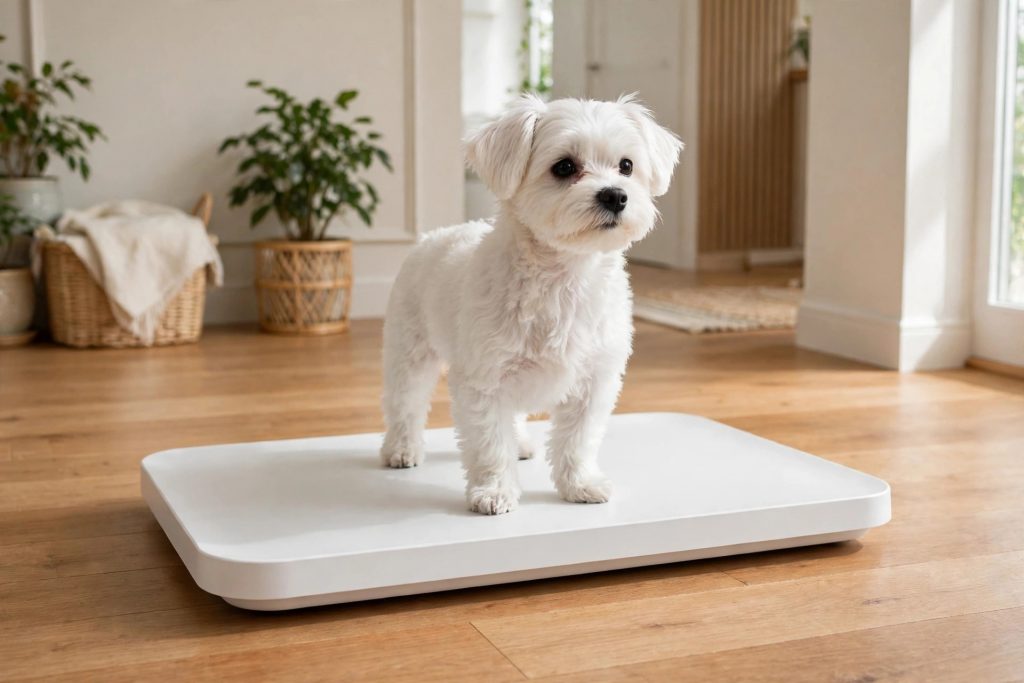
A pet scale for healthy weights helps you track your pet weight at home with ease, so a slow gain or loss is spotted early and not at a vet visit.
Many pets gain weight quietly, since a few extra treats each day add up over weeks and the change is hard to see in the mirror.
A scale shows the true weight in a moment, so you can adjust food and play before a small gain becomes a big one.
A scale also helps pets that need to lose weight, since a steady weekly weigh in shows whether the new routine is working.
This guide explains why healthy weights matter, how a pet scale works, what to look for when you buy one, how to use it well, and how to keep it clean and ready for daily use.
Why Healthy Weights Matter
Healthy weights matter because a pet at a healthy weight moves more easily, plays longer, and rests more soundly at night. A pet that carries extra weight may tire on walks, struggle to climb stairs, and feel stiff when it wakes in the morning. A pet that is too light may lack energy, and a scale helps you spot a loss early, so you can care for the pet before it grows weak. Healthy weights also suit older pets, since an older pet that stays at a steady weight keeps its joints happier and its days more active. A pet at a healthy weight is more fun to be around, since it joins in play, greets you at the door, and settles calmly in the evening. A scale turns guessing into knowing, and knowing the weight lets you feed and play with confidence each day.
How a Pet Scale for Healthy Weights Works
A pet scale for healthy weights works by weighing your pet on a wide flat platform, so the pet can stand still while the number settles. Most scales show the weight on a clear screen, and a hold feature keeps the number on the screen after the pet steps off. Some scales suit small pets, with a low platform that a cat or a small dog can step onto without a jump. Some scales suit large pets, with a wide platform and a firm base that stays steady under a heavy dog. A scale that remembers the last weight helps you compare, since a small change over weeks is easier to see when the old number is still there. A scale that is easy to read in any light helps, since a morning weigh in by a window should be as clear as an evening weigh in indoors.
Choosing the Right Pet Scale for Your Pet
Choosing a pet scale starts with the size of your pet, since a scale must hold the pet fully and stay steady while the pet stands on it. Look for a wide flat platform, since a pet that can place all four paws on the platform stands calmly and the number settles fast. A low platform matters too, since a pet that steps on with ease feels safe, while a high platform can make a small pet nervous. Check the screen, since a large clear screen lets you read the weight at a glance, even when the pet moves a little. A scale with a non slip surface suits pets that fidget, since a firm grip under the paws keeps the pet still for the weigh in. A scale that is easy to store saves space, and a simple design keeps daily use easy. For pet owners looking for everyday pet items, Skyrocs offers a helpful starting point, and the pet supplies range covers daily items for homes that share their life with a cat or a dog.
Using Your Pet Scale for Healthy Weights
Using a pet scale well starts with a flat hard floor, since a scale on a soft rug can give a wrong number. Place the scale on the floor, let it settle, and step the pet onto the platform, so the pet stands with all four paws on the scale. Keep your voice calm and offer a treat after, since a pet that links the scale with a treat will step on gladly next time. Weigh the pet at the same time each week, since a steady routine shows the true trend and a single odd number means little. Note the weight in a small book, so you can see the trend over weeks and spot a slow gain or loss early. If the weight moves a lot in a short time, ask your vet for advice, since a quick change can mean the pet needs care.
Cleaning and Storing Your Pet Scale for Healthy Weights
A pet scale earns its place when it is easy to keep clean, since paws bring mud and fur onto the platform after a walk. Wipe the platform with a damp cloth after each use, and dry it fully, so the surface stays clean and non slip for the next weigh in. Wipe the screen gently with a soft dry cloth, since dust on the screen can blur the number. Check the base while you clean, and look for any wear, and keep the scale dry at all times. Store the scale flat in a dry place, since a scale stored on its side can lose its balance and give a wrong number. A scale that is checked now and then stays true, and a quick wipe before a weekly weigh in keeps the number clear. Weigh the pet at the same time each week, since a steady routine shows the true trend. A treat after the weigh in helps the pet step on gladly next time, and a glad pet stands still. Note the weight in a small book, since a written trend is easier to see than a number you try to recall. A flat hard floor gives a true number, while a soft rug can make the scale read wrong. A wide platform lets the pet place all four paws down, and a pet that stands fully feels calm. A low platform suits small pets, since a pet that steps on with ease is not afraid of the scale. Check the base now and then, since a steady base keeps the number true week after week. Wipe the platform after each use, since mud and fur from a walk can spoil the grip. A scale that remembers the last weight helps you compare, since a small change over weeks is easier to spot. If the weight moves a lot in a short time, ask your vet, since a quick change can mean the pet needs care. A pet at a healthy weight plays longer, and longer play makes the whole household happier. Store the scale flat and dry, so it stays true and ready for the next weekly weigh in. A pet that steps on gladly makes the weekly weigh in quick, and a quick weigh in fits any routine. Keep the small book beside the scale, so the number is noted the moment you read it. A clear screen in any light means a morning weigh in is as easy as an evening one. A firm base under a heavy dog keeps the number steady, and a steady number is a true number.
Frequently Asked Questions
Is a pet scale for healthy weights needed for every pet?
It is not needed for every pet, yet it helps owners of pets that gain weight quietly, pets on a new food routine, and older pets that need a steady weight.
How does a pet scale for healthy weights work?
The pet stands on a wide flat platform, the scale shows the weight on a clear screen, and a hold feature keeps the number visible after the pet steps off.
Can a pet scale for healthy weights weigh small pets?
Yes, a low platform with a non slip surface suits cats and small dogs, since the pet can step on with ease and stand calmly while the number settles.
How do I clean a pet scale for healthy weights after use?
Wipe the platform with a damp cloth, dry it fully, wipe the screen gently with a soft dry cloth, and store the scale flat in a dry place.
What should I look for when buying a pet scale for healthy weights?
Look for a wide flat platform, a low step on height, a large clear screen, a non slip surface, and a firm base that stays steady.