
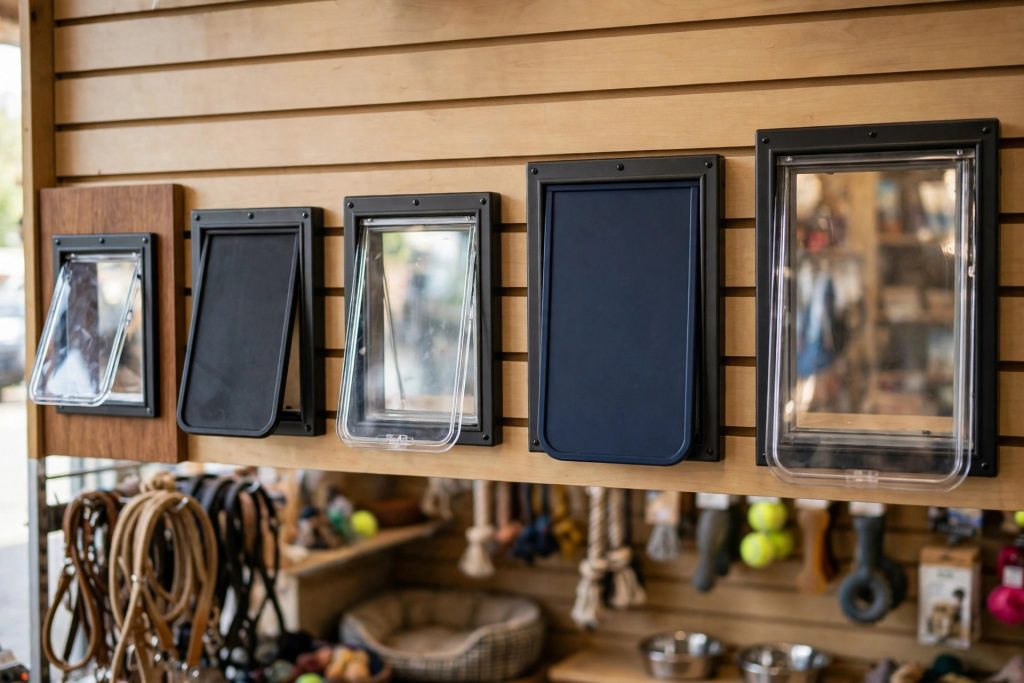
Wholesale dog doors suppliers help pet shops stock a practical item that dog owners buy when they move house, fit a new back door, or tire of opening the door all day. A dog that can come and go on its own is calmer and cleaner, so owners look for a flap their dog can push open without help. A dog door is a clear item with a clear use, so owners do not need a long talk before they buy, and a shop can show the flap and the frame in a moment. Shops that stock doors in a few sizes give owners an easy choice, and a door that fits firmly and closes softly earns the trust that brings owners back for more pet items. This guide explains why dog doors sell well, what a good wholesale range covers, how to choose a supplier you can trust, how to price and order for your shop, and how to display doors so they sell more.
Why Wholesale Dog Doors Sell Well
Dog doors sell well because owners who tire of opening the back door all day look for a simple fix, and a flap the dog can use on its own feels like freedom for the whole home. New home owners fit a dog door when they move in, since a new back door is the best time to cut an opening, and owners who renovate a kitchen often add a dog door at the same time. Owners of older dogs buy a door too, since stiff joints make waiting painful, and a door the dog can push open without help suits a senior pet. A dog door is a simple item with a clear purpose, so owners buy it without a long talk, and a shop can sell it alongside a lead, a bed, or a bag of food. Owners who buy a door often come back for a spare flap, a lock panel, or a tunnel for a thick wall, so the door brings a customer into the home access range and opens the door to more sales.
What a Good Wholesale Range Covers
A good wholesale range covers the sizes that suit the dogs in your area, so a shop can serve owners of small dogs and owners of large dogs alike. The range should offer doors with a flap that moves easily, since owners check the swing first and a stiff flap puts a nervous dog off. A range that covers clear flaps and solid flaps helps the shop serve owners who want a view and owners who want privacy, and a range that adds a magnetic edge helps owners in windy gardens. The frame matters too, since a range that covers frames for standard doors and tunnels for thick walls gives owners a door that fits their home. A range that adds a lock panel with every door helps the shop serve owners who want to close the door at night.
Choosing a Supplier You Can Trust
Choosing a supplier starts with the quality of the door, since a shop that sells a door that rattles or lets in draughts will lose the trust of the owner who bought it. Ask the supplier for a sample first, and fit it in a panel, push the flap, check the seal, and look at the lock. A supplier you can trust answers questions plainly, gives clear size guides, and tells you what the flap and the frame are made from. Delivery matters too, since a supplier that ships on time lets the shop keep the shelf full, and a supplier that warns you early about a delay lets you plan around it. Check that the supplier packs each door well, so the frame does not bend in the box, and that the packs arrive clean and ready for the shelf. A supplier that offers fair terms for a first order helps a small shop test the range without risk, and a supplier that stands behind faulty stock earns a long term place in your order book. For shop owners looking for everyday pet stock, Skyrocs offers a helpful starting point, and the wholesale range covers stock for shops that serve pet owners every day.
Pricing and Ordering for Your Shop
Pricing a dog door starts with the cost of the door and the cost of getting it to your shop, so work out the full cost of each door before you set the shelf price. A door that is priced for everyday owners sells faster than a door priced as a rare item, so keep the price fair and let volume do the work. Order a small first batch across the sizes, and watch which size sells first, then order more of the size that moves and less of the size that sits. A shop that orders before a busy season has stock when new home owners start fitting doors, and a shop that reorders early never has an empty shelf when a customer asks. Keep a simple record of what you ordered, what you paid, and what sold, so each order gets easier and you stop guessing about sizes. Offer a bundle with a spare flap when the stock allows, since a bundle helps the owner leave with a full setup and lifts the value of each sale.
A shop that prices doors in clear bands helps owners choose quickly, since a small door, a middle door, and a large door each suit a clear dog size. Keep the middle size in the deepest stock, since it suits most dogs and sells first. Watch the seasons, since moving house peaks in the warm months, and keep a little extra stock ready for that rush. A shop that checks the shelf each week spots a gap before it costs a sale, and a quick reorder keeps the range full. A door that sits too long may need a move to a display panel, where owners can push the flap and buy with confidence.
Displaying Wholesale Dog Doors to Sell More
Displaying dog doors well starts with placing them where dog owners already look, near leads, beds, and outdoor items. Fit one door in a display panel, with the flap at dog height, so owners can push it open and feel how easily it swings. Put a small card beside the display that shows the size, the flap style, and which dogs it suits, since owners buy faster when the facts are in front of them. Keep the boxed doors stacked neatly beside the display, with the sizes in order, so an owner can find the right size without a search. A display that shows a door beside a lead and a water bowl helps owners picture the door at home. Keep the display tidy and full, since a full display looks like a popular item and an empty space looks like a shop that has given up on the range. A door that arrives in a clean pack saves the shop from repacking before the shelf. Shops that keep one door fitted in a display panel sell more, since owners can try the flap at once. A short note on the shelf about fitting the door answers the most common owner question.
Frequently Asked Questions
How do wholesale dog doors suppliers help a pet shop?
They give the shop a steady source of sturdy doors in the sizes owners need, so the shelf stays full and owners can buy a door that fits their dog and their home without waiting for a special order.
What should wholesale dog doors suppliers offer in a range?
They should offer doors in small, medium, and large sizes, clear and solid flaps, magnetic edges, frames for standard doors, tunnels for thick walls, and clear retail packs that are ready for the shelf.
How do I choose among wholesale dog doors suppliers?
Ask for a sample first, fit it in a panel, push the flap, check the seal and the lock, compare delivery times, and pick the supplier that answers plainly and stands behind faulty stock.
What should a shop order first from wholesale dog doors suppliers?
Order a small batch across the sizes with more of the middle size, since the middle size suits most dogs, then reorder the sizes that sell first and add spare flaps when the range proves itself.
Where should a shop display stock from wholesale dog doors suppliers?
Display one door fitted in a panel near leads and beds, with the flap at dog height and a small card that shows the size, the flap style, and which dogs it suits.