
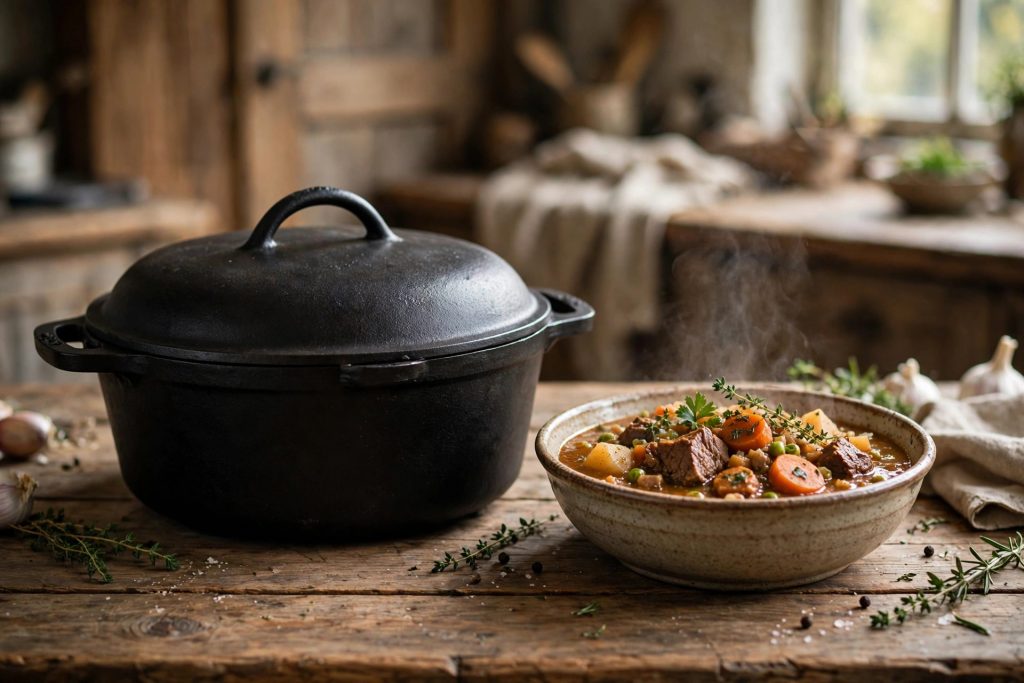
A dutch oven for slow cooking makes a familiar kitchen task feel calm and easy, and a good dutch oven turns a small job into a pleasure rather than a chore. Many cooks struggle with stews and braised dishes when the tool in hand is weak or awkward, and the result can be messy, uneven, and slow. A dutch oven that feels solid in the hand gives better control, so each serving or each portion comes out neat and ready to enjoy. The dutch oven sits ready in the drawer or on the shelf, and a quick rinse leaves it clean for the next meal. This guide explains why slow cooking matters, how a dutch oven works, what to look for when you buy one, how to use it well, and how to keep it clean and ready for daily use.
Why Slow Cooking Matters
Slow cooking matters because a calm kitchen makes better meals, and a cook who feels in control enjoys the work far more. A dutch oven that works well saves time at the table, since neat portions and steady handling keep the meal moving without fuss. Guests notice the difference too, since food served neatly looks cared for and invites everyone to settle in and enjoy the meal. A good dutch oven also suits busy mornings and relaxed evenings alike, since it does one job well without demanding extra effort. When the tool fits the hand and the task, the cook can focus on flavour and timing rather than wrestling with the equipment. A dutch oven kept close at hand earns its place, since a tool that is easy to reach is used far more often than one stored out of sight. Over time, small gains add up, and a simple dutch oven used daily can make many meals feel smoother and more pleasant.
How a Dutch Oven for Slow Cooking Works
A dutch oven for slow cooking works by giving the cook a firm grip and a shape that suits stews and braised dishes, so the task feels natural from the first use. The dutch oven is made from cast iron, and the shape guides the hand, so pressure spreads evenly and the result stays neat. Most designs keep the working part simple, and a simple shape is easier to clean and easier to store after the meal. A dutch oven that balances well feels light in the hand, and a light feel helps the cook work steadily without tiring. The dutch oven works best when it is clean and dry before use, since a dry grip and a clean surface give the cook full control. Once the cook learns the feel of the dutch oven, the movement becomes easy, and each use feels quicker than the last. A well made dutch oven holds its shape through daily use, so the cook can rely on it meal after meal.
Choosing the Right Dutch Oven for Your Kitchen
Choosing a dutch oven starts with the size of your kitchen and the size of your household, since the dutch oven must suit the meals you cook most often. Look for a dutch oven with a comfortable handle, since a handle that fits the hand makes long tasks feel easy and safe. The material matters too, since cast iron feels solid and cleans well, and a smooth surface keeps food from sticking after use. A dutch oven that is easy to wash suits daily cooking, while a dutch oven with a sturdy build suits cooks who use it often. Check the shape before you buy, since a shape that suits stews and braised dishes will serve you far better than a shape that looks pretty on the shelf. For cooks looking for everyday kitchen items, Skyrocs offers a helpful starting point, and the pet supplies range covers daily items for homes that share their life with a cat or a dog. A dutch oven that stores neatly in a drawer or on a hook stays within reach, and a tool within reach is used far more often.
Using Your Dutch Oven for Slow Cooking
Using a dutch oven well starts with a clean and dry tool, since a clean dutch oven gives a better grip and a neater result. Hold the dutch oven firmly and work at a steady pace, since a steady pace keeps the result even and the cook in control. Place the dutch oven near the oven before you start, so everything you need is close at hand when the meal is ready. Work in small steps rather than rushing, and let the shape of the dutch oven do the work instead of forcing it. Rinse the dutch oven soon after use, since food left on the surface can dry hard and take far longer to clean later. A little care during use keeps the dutch oven in good shape, and a dutch oven in good shape serves the kitchen for many meals. Share the task with family when you can, since a simple dutch oven is easy for everyone in the home to use with confidence.
Cleaning and Storing Your Dutch Oven for Slow Cooking
A dutch oven earns its place when it is easy to clean, since a tool that washes quickly is ready again for the next meal. Wash the dutch oven by hand with warm soapy water, then let it dry fully before you put it away. Wipe the handle while you clean, and look for any wear at the ends, and keep the dutch oven dry at all times. Store the dutch oven flat in a dry drawer or hang it on a hook when the meal ends, so the dutch oven keeps its shape and stays fresh. Keep the dutch oven out of strong sun when it is stored, since long sun can fade the finish and dry out the handle over time. A dutch oven that is checked now and then stays safe, and a quick look before each use keeps the dutch oven ready for daily cooking. A clean dutch oven smells fresh, and a fresh tool helps the cook start the meal with confidence. A dutch oven kept in the drawer is used more often than a dutch oven stored in a far cupboard. A dry dutch oven feels better in the hand, while a damp dutch oven can slip at the wrong moment. Check the handle after a wash, since a handle left damp can stay sticky and attract dust. A dutch oven stored flat in a dry place keeps its shape through the busy season. A familiar dutch oven turns a routine meal into a pleasant habit. Wash the dutch oven soon after the meal, and the next meal starts with a clean tool. A tidy drawer keeps the dutch oven easy to find when the cooking starts. Handle the dutch oven with care, and it will serve the kitchen well for a long time. A dutch oven that lies flat in the drawer stays neat and ready for use. A quick rinse after the meal keeps the dutch oven ready for the next time it is needed. Keep the dutch oven beside the other tools you use most, so the drawer stays easy to work from. A dutch oven with a smooth finish wipes clean in moments and stays pleasant to hold.
Frequently Asked Questions
Is a dutch oven for slow cooking needed for every home?
It is not needed for every home, yet it helps cooks who serve stews and braised dishes often, so meals stay neat and the kitchen feels calm and well organised.
How does a dutch oven for slow cooking work?
The dutch oven gives the cook a firm grip and a shape that suits stews and braised dishes, so pressure spreads evenly and the result comes out neat and ready to serve.
Can a dutch oven for slow cooking fit in a small kitchen?
Yes, most designs store neatly in a drawer or hang on a hook, so measure your drawer first and pick a dutch oven that fits without crowding the space.
How do I clean a dutch oven for slow cooking after use?
Wash the dutch oven by hand with warm soapy water, let it dry fully, wipe the handle, and store it in a dry place so it stays fresh for the next meal.
What should I look for when buying a dutch oven for slow cooking?
Look for a dutch oven that fits your hand, a solid cast iron build, a shape that suits stews and braised dishes, and a design that is easy to wash and easy to store.