
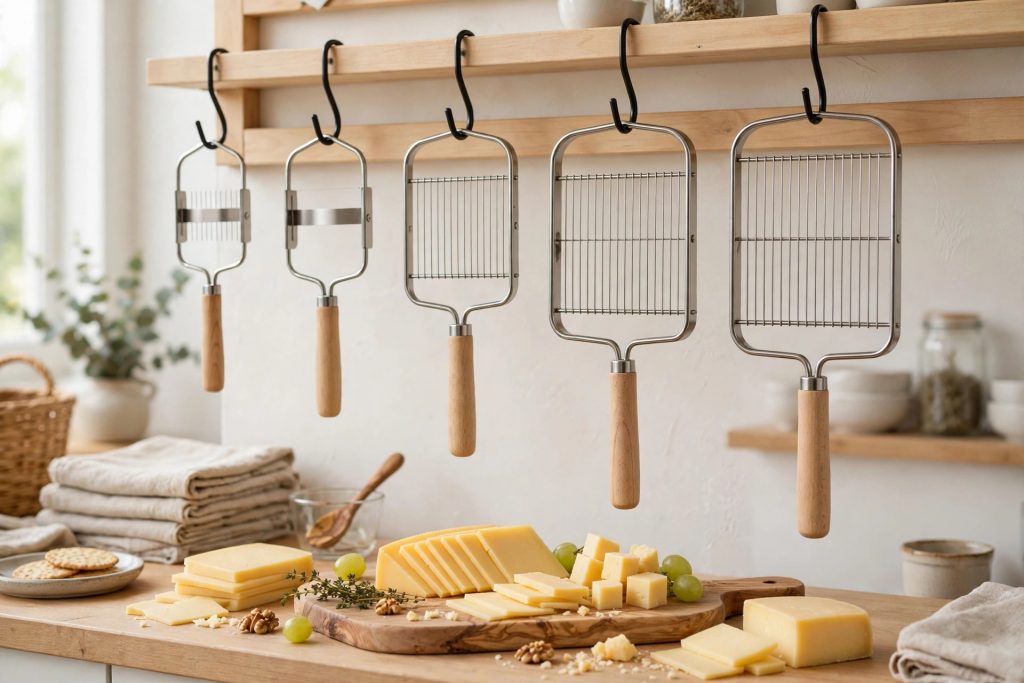
A wholesale cheese slicers suppliers helps a kitchen shop stock cheese slicers that customers trust, since a good range turns a small shelf into steady sales across the year.
Shops that sell kitchen tools well know that buyers want sturdy goods at fair prices, and a supplier who delivers both earns repeat orders.
The right range suits the shop it serves, with stainless steel wire and a smooth handle and sizes that cover everyday cooking needs.
This guide explains why cheese slicers sell well, what a good wholesale range covers, how to choose a supplier you can trust, how to price and order for your shop, and how to display stock so it sells more.
A shop that stocks cheese slicers well gives customers a reason to return, and a range that sells through cleanly keeps the shelves fresh.
Read on for practical advice that helps you buy well, price with care, and keep your kitchen range moving. You can also visit Skyrocs to explore kitchen ranges for your shop.
Why Wholesale Cheese Slicers Sell Well
Cheese slicers sell well because nearly every home needs them, and buyers replace them when old ones wear out or when a new kitchen calls for fresh tools.
A good cheese slicer is a small purchase, so shoppers add it to a basket without long thought, which keeps sales moving even in quiet weeks.
Kitchen tools also make fine gifts, so cheese slicers sell around holidays and housewarmings as well as in everyday trade.
Shops gain from the steady demand, since a tool that sells a little each week adds up to solid trade across the year.
Buyers trust cheese slicers they can see and hold, so a shop display that shows the quality clearly turns browsers into buyers.
A range that covers firm cheese, semi firm cheese, and soft cheese that holds its shape suits more homes, which widens the shop appeal without widening the shelf space too far.
When a shop stocks a tool that works well, word of mouth does the rest, and happy cooks send friends to the same shelf.
Steady sellers like cheese slicers keep a shop stable, since they sell in good weeks and in slow weeks alike.
A shop that adds cheese slicers to a gift bundle often sees the average sale grow, since a useful tool is easy to add at the till.
What a Good Wholesale Range Covers
A good wholesale range covers the sizes and styles that most homes need, so a shop can serve many buyers from one tidy shelf.
Look for a range built with stainless steel wire and a smooth handle, since sturdy materials keep returns low and keep customers happy.
The range should cover firm cheese, semi firm cheese, and soft cheese that holds its shape, so buyers find the tool that suits their kitchen without leaving the shop.
A good range also offers a few colours or finishes, since a little choice helps a shop dress a display without stocking too many lines.
Pack sizes matter as well, since a shop needs cartons that match its shelf space and its rate of sale.
A supplier who keeps the core lines in stock all year helps a shop avoid empty shelves in busy weeks.
Seasonal lines can sit beside the core range, so a shop can add gift sets and special pieces when demand rises.
A well planned range sells through cleanly, with few slow lines left behind at the end of the season.
A range that stays tidy and easy to count also helps staff, since a quick stock check shows what to reorder without a long hunt.
Choosing a Supplier you can Trust
Choosing a supplier you can trust starts with the goods themselves, so ask for samples and check the build, the finish, and the grip before you order.
A good supplier answers questions clearly and shares honest detail on materials, pack sizes, and delivery times.
Check that the supplier keeps cheese slicers in stock, since a shop cannot sell what it cannot get when the shelf runs low.
Look for clear terms on orders, returns, and damaged goods, since fair terms protect a small shop when things go wrong.
A supplier with steady quality across orders is worth more than a cheap price that shifts with every delivery.
Ask other shops about their experience, since a supplier with a good name in the trade usually earns it through steady service.
Start with a small trial order, and grow the order only when the goods sell well and the service holds up.
Shops can browse the wholesale range to compare lines and plan a first order with confidence.
A supplier who shares new lines early gives a shop first pick of fresh stock, which helps the shelf stay ahead of nearby shops.
Pricing and Ordering for Your Shop
Pricing cheese slicers for your shop starts with knowing your full cost, including the goods, the freight, and the time spent handling the stock.
Set a price that leaves a fair margin after all costs, and keep it simple enough that staff can explain it to a customer.
Order in line with your rate of sale, since too much stock ties up cash and too little stock loses sales in busy weeks.
Reorder the lines that sell fastest first, and let slow lines run down before you buy more of them.
Watch the seasons, since kitchen tools sell faster around holidays and housewarmings, so plan orders ahead of those peaks.
Keep a small buffer of the best sellers, so a busy weekend never leaves your shelf empty.
Review prices now and then, since costs change over time and a price that stays still can quietly eat the margin.
A shop that orders with care keeps cash moving and shelves full, which is the heart of good kitchen trade.
Keep notes on what sells each week, since a simple record shows which lines earn their shelf space and which ones quietly sit.
Displaying Wholesale Cheese Slicers to Sell More
Displaying cheese slicers to sell more starts with placing them where shoppers can see and touch them, near the front of the kitchen aisle.
Group the range by use, so a buyer looking for one tool can see the whole family of tools beside it.
Show the tool in use where you can, since a cheese slicer beside cheese on a bench tells the story faster than any sign.
Keep the display tidy and full, since a neat shelf looks cared for and a gap looks like a shop that has given up.
Add a short plain sign that names the use, so a browser knows in a glance what the tool does and why it helps.
Place gift sets and special pieces at eye level, since shoppers notice them first and often add them to a basket.
Change the display now and then, so regular customers see something fresh and stop to look again.
A good display turns a quiet shelf into a selling shelf, and cheese slicers that are easy to see are easy to buy.
Keep the best sellers at hand height where shoppers reach first, since a tool that is easy to reach is easy to pick up and buy.
Frequently Asked Questions
How do wholesale cheese slicers suppliers help a kitchen shop?
Wholesale cheese slicers suppliers help a kitchen shop by supplying sturdy cheese slicers that customers trust, so the shop can keep a steady range on the shelf and earn repeat sales.
What should wholesale cheese slicers suppliers offer in a range?
Wholesale cheese slicers suppliers should offer sizes and styles that cover firm cheese, semi firm cheese, and soft cheese that holds its shape, built with stainless steel wire and a smooth handle, in pack sizes that suit a small shop shelf.
How do I choose among wholesale cheese slicers suppliers?
Compare samples for build and finish, check stock levels and clear terms, ask other shops about service, and start with a small trial order before growing it.
What should a shop order first from wholesale cheese slicers suppliers?
A shop should order first the core lines that cover everyday needs, in pack sizes that match its shelf space, then add seasonal pieces once the core range sells well.
Where should a shop display stock from wholesale cheese slicers suppliers?
A shop should display stock from wholesale cheese slicers suppliers near the front of the kitchen aisle, grouped by use at eye level, where shoppers can see and touch the tools.