
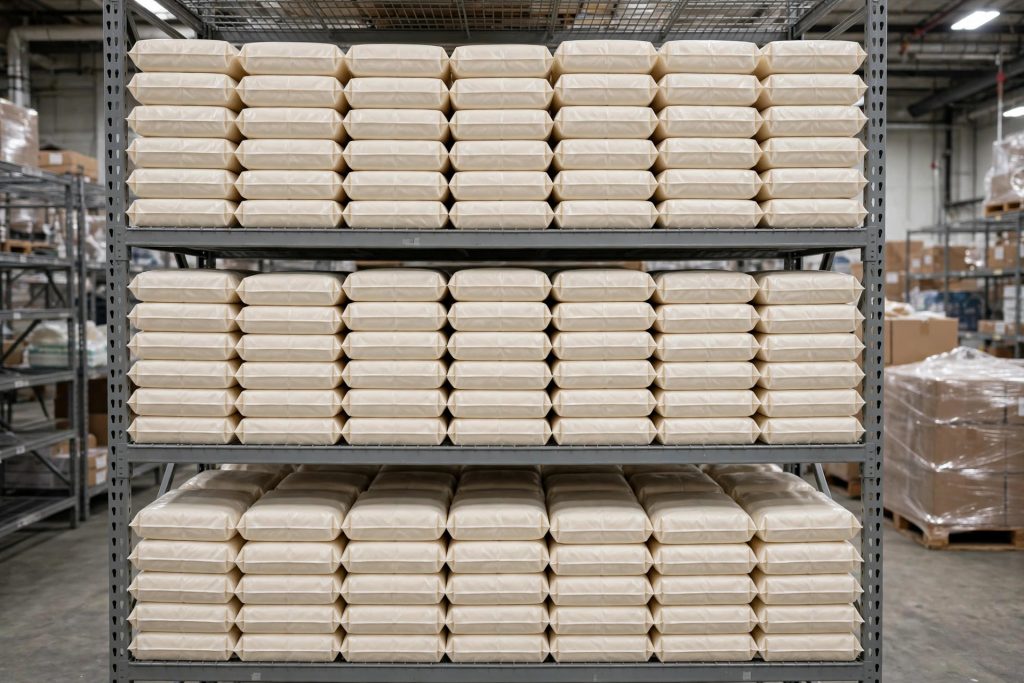
Wholesale dog diapers suppliers give shops, resellers, and pet stores a steady way to stock a product that pet owners buy again and again. A dog diaper is a daily care item, not a one off purchase, since owners of pups, senior dogs, and dogs in recovery need fresh diapers every week. That repeat demand makes diapers a friendly line for a pet shelf, with steady turnover and buyers who come back for the same pack. A supplier that delivers steady quality, fair terms, and reliable stock can turn this humble care item into a loyal and lasting line.
Why Dog Diapers Sell Well for Shops
Dog diapers sell well because they solve a daily problem for pet owners in a simple and caring way. Life indoors brings accidents that training alone cannot fully prevent, from a young pup still learning the rules to an older dog whose body no longer waits for the door. A diaper catches those moments quietly, so the home stays clean and the dog stays comfortable. Owners who find a diaper that fits well and holds up through the day will buy the same pack again, and that repeat buying is the heart of a good pet line.
The product also suits many kinds of buyers. Owners of pups buy diapers while training is still in progress, owners of senior dogs buy them for comfort and dignity in later years, and owners of female dogs buy them during heat cycles. Shops can sell diapers alone, bundle them with wipes and barrier cream, or place them beside training pads and cleaning sprays in a care corner that lifts the whole basket value. The product needs little after sale support, and a clear size guide on the shelf helps buyers pick the right pack the first time.
What to Look for in a Wholesale Dog Diaper Range
A good wholesale range covers the diapers that different dogs need, so a shop can serve a small pup and a large senior dog from the same shelf. The core of the range is a full diaper with a tail hole for female dogs, in sizes from small to large, with a light and a heavy absorbency choice. Beside it, a male wrap that covers the belly suits male dogs and helps owners pick the right style without confusion. A range that offers both styles in clear sizes gives every buyer a reason to choose, and it lets the shop guide buyers to the fit that works.
Check the quality of each diaper before you commit to a range. The absorbent pad should soak up moisture fast and lock it away from the skin, while the outer layer should stay dry to the touch. The waistband should stretch gently and hold its shape, and the fasteners should grip firmly without catching fur. The seams should sit flat, since raised seams can rub sore spots on tender skin. Ask the supplier for samples in several sizes, and test them for fit, absorbency, and comfort before you order, since a diaper that fails in your hands will fail in a buyer home too.
How to Vet Wholesale Dog Diapers Suppliers
Vetting a supplier starts with a sample order, since a sample shows you the real quality, the real packing, and the real delivery time. Order samples in several sizes and both styles, test the absorbency with water, and check the waistband, the fasteners, and the tail hole with your own hands. Look at the packing too, since diapers that arrive crushed or damp will come back as complaints, and good packing protects your margin as much as a good price. A supplier that sends clean, well packed samples on time is a supplier that takes your business seriously.
Ask clear questions before you place a first order. Ask about the smallest order size, the lead time, the payment terms, and what happens when a pack arrives damaged or faulty. Ask whether the supplier can keep the same sizes and styles in stock over time, since a range that changes every month makes it hard for buyers to trust the shelf. Ask for references from other shops if you can, and check how the supplier handles a problem, since a supplier that fixes faults fast is worth more than one that offers a slightly lower price and disappears when things go wrong. For shops building a reliable supply chain, Skyrocs offers a helpful starting point, and the wholesale page explains how trade buyers can work with us.
Pricing, Minimum Orders, and Terms That Protect Margin
Pricing a dog diaper starts with the landed cost, which is the supplier price plus freight, import fees, and any local charges. Work out that full cost before you set a shelf price, since a low supplier price can hide high freight that eats the profit. Set the shelf price so it covers the landed cost, leaves a healthy margin, and still looks fair beside rival packs. A diaper that is priced too high will sit on the shelf, while a diaper priced too low will train buyers to expect a bargain every time, so aim for a fair price that holds.
Minimum order sizes shape how much cash you tie up in stock, so read them with care. A supplier that asks for a large first order may offer a better unit price, but it also leaves you holding stock that may sell slowly. Start with the smallest order that still earns a fair price, and ask whether the supplier will mix sizes and styles in one order so you can test the range without overstocking a single size. Ask about payment terms too, since a deposit with the balance on delivery is kinder to cash flow than full payment up front.
Common Sourcing Mistakes and How to Avoid Them
The most common sourcing mistake is ordering on price alone, which often brings thin pads, weak fasteners, and diapers that leak within hours. Fix this by testing samples first and judging the whole cost, including freight and returns, rather than the unit price on its own. Another common mistake is ordering too much of one size before the line has proven itself, which ties up cash and shelf space. Start small, watch which sizes sell, and reorder the winners.
Some buyers skip the sample stage and order in bulk from a new supplier, which risks a shelf full of diapers that do not fit or hold up. Always test a sample for fit and absorbency before you commit. Others forget to check the packing, and diapers arrive crushed or damp, which costs time and money to sort out. Ask the supplier how the packs are packed, and check the first delivery with care. A few shops forget to agree returns terms in writing, and then find they have no cover when faulty stock arrives, so settle that point before you pay. Avoid these mistakes, and your dog diaper line will sell steadily with few returns and happy buyers.
Frequently Asked Questions
What is a sensible first order size for dog diapers?
Start with the smallest order that still earns a fair unit price, and mix sizes and styles so you can test the range without overstocking one size. Watch which packs sell first, then reorder the winners in larger numbers.
Should I stock washable and disposable dog diapers?
A range that offers both gives buyers a choice and lets the shop serve different budgets. Washable diapers suit owners who want to save money over time, while disposable diapers suit travel, illness, and busy weeks. Start with the core disposable range and add washable styles as demand grows.
How do I test a dog diaper sample before ordering?
Test the absorbency with water, check that the waistband stretches gently and holds its shape, and make sure the fasteners grip firmly without catching fur. Check the tail hole and the seams for comfort, and look at the packing for signs of crushing or damp. A sample that passes these checks is a diaper you can sell with confidence.
What terms should I agree with a supplier before I pay?
Agree the smallest order size, the lead time, the payment terms, and the returns policy for damaged or faulty packs in writing before you pay. Ask who pays return freight and how long replacements take. Clear written terms protect your shop and keep the supply link honest.
How can I tell a good wholesale supplier from a risky one?
A good supplier sends clean, well packed samples on time, answers clear questions about stock and terms, and fixes faults fast. Be wary of a supplier that cannot show a sample, cannot name the absorbent material, or pushes for full payment before you have seen the goods.