
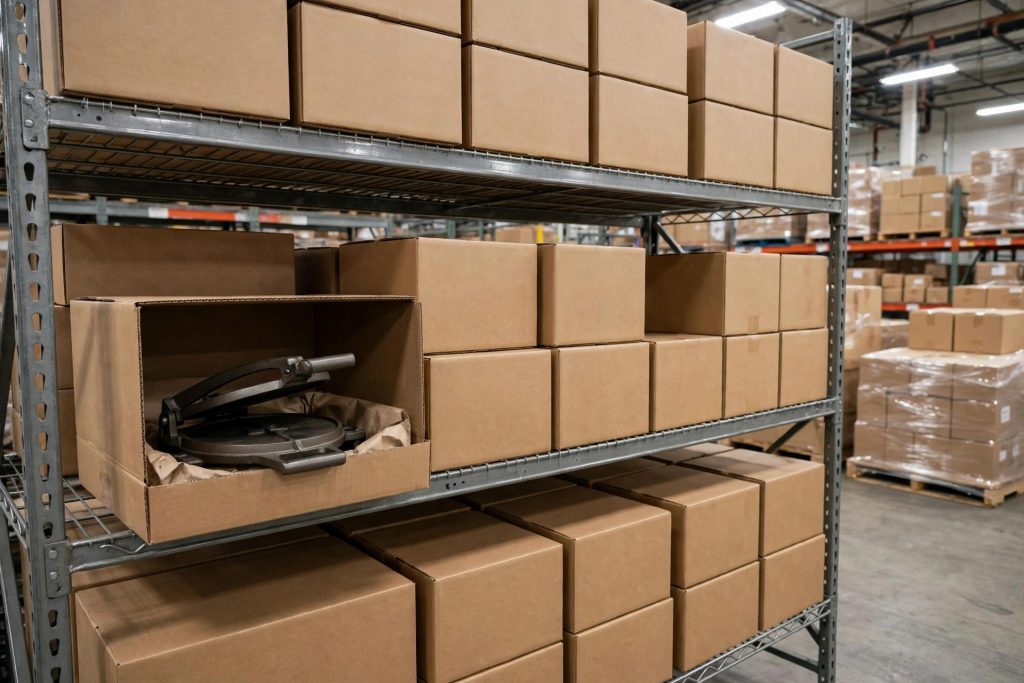
Wholesale tortilla presses suppliers give shops, resellers, and kitchen stores a steady way to stock a tool that home cooks buy again and again. A tortilla press is a simple, durable product with broad appeal, and it sells well beside other kitchen tools, in cookware sets, and in seasonal gift ranges. Buyers love it because it turns a fiddly job into a quick press of the handle, and shops love it because it needs no power, breaks rarely, and comes back for very few returns. A supplier that delivers steady quality and fair terms can turn this humble tool into a reliable line on the shelf.
Why Tortilla Presses Sell Well for Shops
Tortilla presses sell well because they solve a real problem for home cooks in a simple and visible way. Rolling tortillas by hand is slow and uneven, and many cooks give up on fresh tortillas altogether, so a press that flattens dough in seconds feels like a small wonder in the kitchen. The tool is easy to show in a shop, since one pull of the handle turns a dough ball into a perfect round, and that live demo often closes the sale on the spot. Cooks who try it once tend to buy it, and cooks who own one tend to tell friends about it.
The product also suits many kinds of buyers. Home cooks buy presses for weeknight tacos and weekend gatherings, while gift buyers pick them for housewarmings and food lovers. Shops can sell presses alone, bundle them with a griddle and a dough mix, or place them in a Mexican cooking set that lifts the whole basket value. The press needs no batteries and no spare parts, so after sale support stays light, and the sturdy build means returns stay low.
What to Look for in a Wholesale Tortilla Press Range
A good wholesale range covers the presses that different buyers want, so a shop can serve a first time buyer and a keen cook from the same shelf. The core of the range is a cast iron press with plates about the width of a dinner plate, which suits most home kitchens and sells at a friendly price. Beside it, a lighter aluminium press suits buyers who want a tool they can lift and store with ease, and a wooden press suits buyers who love a warm, traditional look. A range that offers all three materials gives every buyer a reason to choose, and it lets the shop trade buyers up to a sturdier model when they are ready.
Check the build quality of each model before you commit to a range. The plates should meet evenly when the handle comes down, since a press that closes crooked makes rounds that are thin on one side and thick on the other. The hinge should move smoothly without wobbling, and the handle should feel firm in the hand rather than loose or hollow. The surface should be smooth and well sealed, so dough releases cleanly and the press wipes down fast. Ask the supplier for a sample of each model, and test it with real dough before you order, since a press that fails in your hands will fail in a buyer kitchen too.
How to Vet Wholesale Tortilla Presses Suppliers
Vetting a supplier starts with a sample order, since a sample shows you the real quality, the real packing, and the real delivery time. Order one of each model you plan to stock, press real dough with it, and check the plates, the hinge, and the handle with your own hands. Look at the packing too, since a press that arrives scratched or bent will come back as a return, and good packing protects your margin as much as a good price. A supplier that sends clean, well packed samples on time is a supplier that takes your business seriously.
Ask clear questions before you place a first order. Ask about the smallest order size, the lead time, the payment terms, and what happens when a press arrives damaged or faulty. Ask whether the supplier can keep the same models in stock over time, since a range that changes every month makes it hard for buyers to trust the shelf. Ask for references from other shops if you can, and check how the supplier handles a problem, since a supplier that fixes faults fast is worth more than one that offers a slightly lower price and disappears when things go wrong. For shops building a reliable supply chain, Skyrocs offers a helpful starting point, and the wholesale page explains how trade buyers can work with us.
Pricing, Minimum Orders, and Terms That Protect Margin
Pricing a tortilla press starts with the landed cost, which is the supplier price plus freight, import fees, and any local charges. Work out that full cost before you set a shelf price, since a low supplier price can hide high freight that eats the profit. Set the shelf price so it covers the landed cost, leaves a healthy margin, and still looks fair beside rival presses. A press that is priced too high will sit on the shelf, while a press priced too low will train buyers to expect a bargain every time, so aim for a fair price that holds.
Minimum order sizes shape how much cash you tie up in stock, so read them with care. A supplier that asks for a large first order may offer a better unit price, but it also leaves you holding stock that may sell slowly. Start with the smallest order that still earns a fair price, and ask whether the supplier will mix models in one order so you can test the range without overstocking a single style. Ask about payment terms too, since a deposit with the balance on delivery is kinder to cash flow than full payment up front.
Common Sourcing Mistakes and How to Avoid Them
The most common sourcing mistake is ordering on price alone, which often brings thin plates, loose hinges, and presses that buyers return within days. Fix this by testing samples first and judging the whole cost, including freight and returns, rather than the unit price on its own. Another common mistake is ordering too much of one model before the line has proven itself, which ties up cash and shelf space. Start small, watch which models sell, and reorder the winners.
Some buyers skip the sample stage and order in bulk from a new supplier, which risks a shelf full of presses that do not press evenly. Always test a sample with real dough before you commit. Others forget to check the packing, and presses arrive scratched or bent, which costs time and money to sort out. Ask the supplier how the presses are packed, and check the first delivery with care. A few shops forget to agree returns terms in writing, and then find they have no cover when faulty stock arrives, so settle that point before you pay. Avoid these mistakes, and your tortilla press line will sell steadily with few returns and happy buyers.
Frequently Asked Questions
What is a sensible first order size for tortilla presses?
Start with the smallest order that still earns a fair unit price, and mix models so you can test the range without overstocking one style. Watch which presses sell first, then reorder the winners in larger numbers.
Should I stock cast iron, aluminium, and wooden presses?
A range that offers all three materials gives every buyer a reason to choose. Cast iron suits keen cooks who press often, aluminium suits buyers who want a light tool, and wood suits buyers who love a traditional look. Start with the core cast iron model and add the others as demand grows.
How do I test a tortilla press sample before ordering?
Press real dough with the sample and check that the plates meet evenly, the hinge moves smoothly, and the handle feels firm. Look at the packing for scratches or dents, and cook a few tortillas to see how evenly they brown. A sample that passes these checks is a press you can sell with confidence.
What terms should I agree with a supplier before I pay?
Agree the smallest order size, the lead time, the payment terms, and the returns policy for damaged or faulty presses in writing before you pay. Ask who pays return freight and how long replacements take. Clear written terms protect your shop and keep the supply link honest.
How can I tell a good wholesale supplier from a risky one?
A good supplier sends clean, well packed samples on time, answers clear questions about stock and terms, and fixes faults fast. Be wary of a supplier that cannot show a sample, cannot name the material, or pushes for full payment before you have seen the goods.